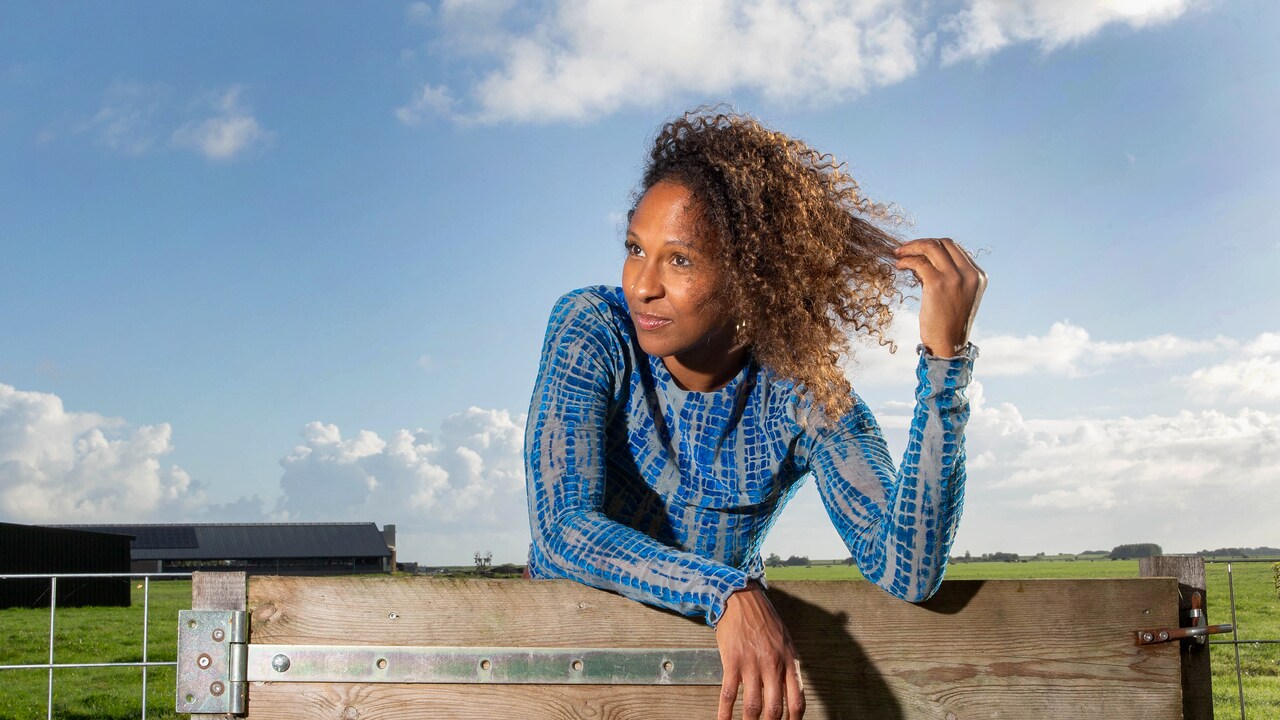
Historian and author Astrid Sy, currently serving as the Children's Book Ambassador, advocates for reading aloud from infancy to establish a continuous reading line. She emphasizes starting with newborns and shares her personal experience of reading to her sons since they were two days old. Sy is also preparing two new manuscripts: one about childhood memories in Finland and another on slavery inspired by her research in South Carolina. The 72nd Children's Book Week, themed 'Spot On!', runs from September 30 to October 11, featuring the book 'Back to the Shoe Tree' by Milouska Meulens.
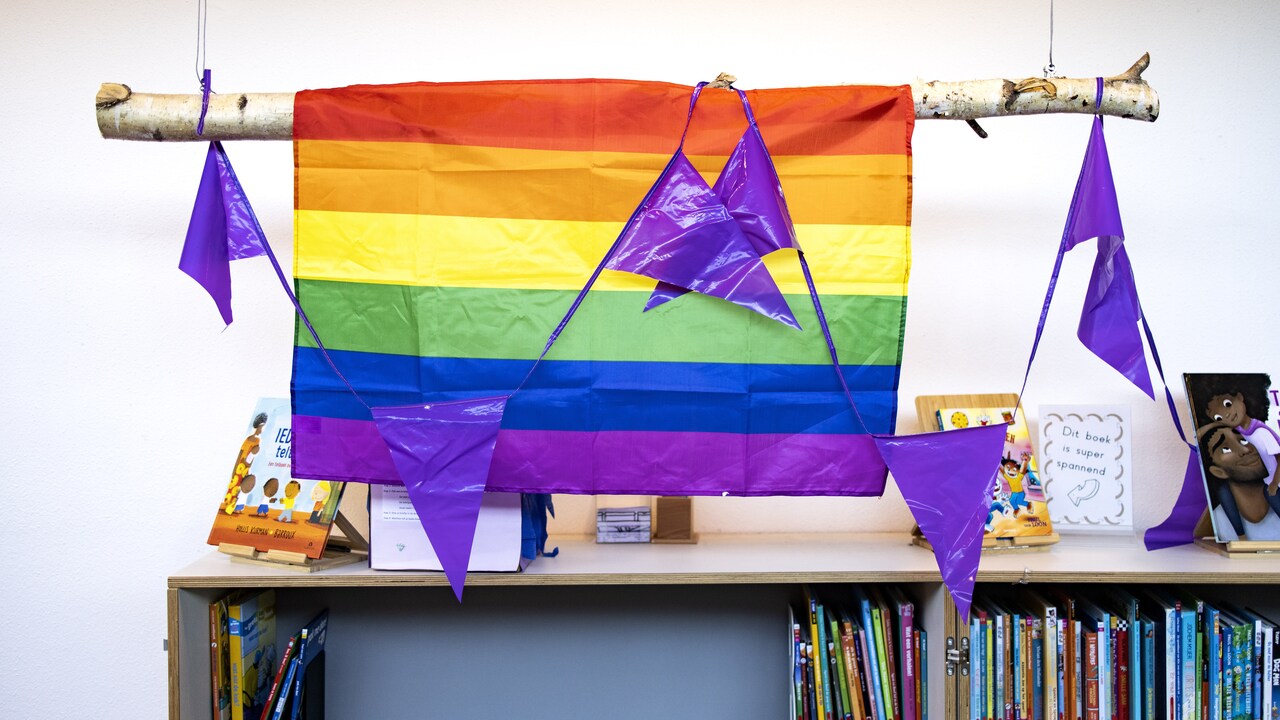
A Trimbos Institute and Utrecht University study reveals that acceptance of homosexuality among 12-to-16-year-olds has dropped significantly, particularly among boys. Trouw attributes this trend to conservative social media influences and religious views, urging educators and parents to actively promote inclusivity and defend LGBTQ+ rights against rising intolerance.
The debate over school dress codes is intensifying, with some institutions banning items like jogging pants, tracksuits, and crop tops. This article invites readers to participate in a survey via the Praat Mee Panel to share their opinions on whether students should have freedom in attire or if clear rules and uniforms are beneficial. The goal is to gather a comprehensive view on balancing self-expression with creating a pleasant and safe learning environment. Results from this reader poll and an opinion panel will be published next week.
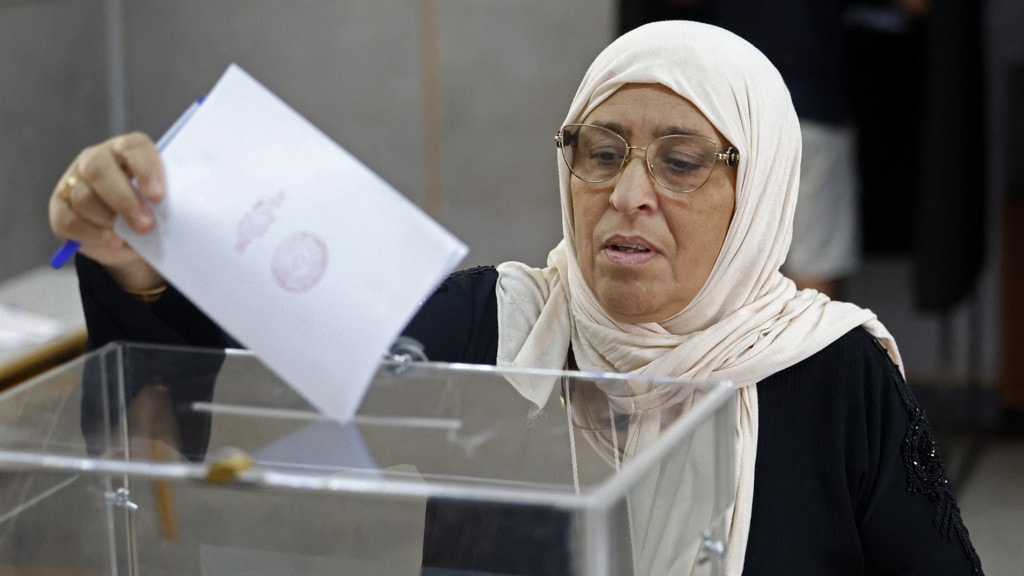
Voter turnout among young Moroccans is low as many have lost faith in politics following last year's harsh crackdown on Gen Z protests. Only 4% of registered voters are aged 15 to 23, reflecting disillusionment over high youth unemployment and perceived political repression. Correspondent Sophie van Leeuwen notes that despite Morocco’s economic growth, benefits like jobs and housing remain elusive for many, leading some to view the upcoming elections as a sham performance rather than a genuine democratic process.
The second cohort of the Jong Parool Panel began this Tuesday, consisting of sixteen Amsterdam secondary school students serving as junior editors for Het Parool. Throughout the school year, these young journalists will report on events they encounter in the city and write articles about current affairs.
Euronews Business examines how homeownership rates among younger Europeans have changed compared with previous generations, and what is driving the shift.
Ahmed Aboutaleb, former mayor of Rotterdam and current president of Jeugdzorg Nederland, advocates for reduced youth care, increased prevention, and greater acceptance of risk. Following Minister Mirjam Sterk's apology for suffering in closed youth care, Aboutaleb emphasized the need for systemic change and scientific grounding in care practices. He supports closing forced confinement facilities, currently housing over 460 children, in favor of small residential forms, though he warns against inadequate temporary solutions like holiday park accommodations. Aboutaleb calls for regular self-assessments and external audits to address violence and misconduct within institutions, aiming to rebuild trust among victims and professionals alike.
A podcast episode features Hiyabel and Nihal, two young women who have lived for years in emergency shelters across the Netherlands, discussing their experiences. The Onderzoeksraad voor Veiligheid concluded after a two-year study that 7,000 children in these facilities are structurally neglected and exposed to dangerous situations, including risks of physical and sexual violence. Children also face poor hygiene facilities, noise disturbance, and frequent moves causing attachment issues. Kinderombudsvrouw Margrite Kalverboer called the situation "shameless" and urged Minister Van der Brink to improve conditions within six months.
Despite mobile phone bans in Dutch primary schools, online bullying remains prevalent, with experts noting it is often more severe than offline harassment due to its permanence and lack of supervision. Sociologist Tessa Kaufman and Remco Spithoven from Saxion Hogeschool emphasize that children face constant exposure on platforms like WhatsApp and Snapchat, leading to increased isolation. While schools and parents currently point fingers at each other for responsibility, experts urge adults to take active roles in monitoring and guiding children's digital interactions through structured conversations and oversight software.
The Dutch public broadcasting company (NPO) has warned people to watch out for misleading emails claiming that children and young adults have been invited to audition for a non-existent youth show
Moroccan youth are expected to largely abstain from Wednesday's parliamentary elections despite previous protests demanding better healthcare, schools, and jobs. Low trust in parliament and perceptions of corruption have led to minimal registration among young voters, while the monarchy retains significant political control, diminishing the perceived impact of their votes.
Addictive social media algorithms are increasing calls to protect children from these platforms. The European Commission announced strict measures last week, including an absolute ban for those under thirteen and independent access only from age fifteen.
A study by Utrecht University and the Trimbos Institute reveals that acceptance of homosexuality among Dutch youth aged 11 to 16 is falling, with positive attitudes dropping significantly between 2021 and 2025. Discrimination researcher Hanneke Felten attributes this decline to increased exposure to online disinformation and conspiracy theories regarding LGBTI individuals. Staatssecretaris Judith Tielen described the trend as severe and announced additional support for schools to improve LGBTI acceptance. Meanwhile, educators report growing resistance to visibility initiatives like Purple Friday, which students sometimes counter with opposing actions.
New research from Utrecht University and the Trimbos Institute reveals a significant decline in homo acceptance among Dutch youth across all demographics, including varying education levels and backgrounds. Studies show that 40 percent of secondary school students now find it disgusting to see two girls kiss, up from 18.5 percent in 2021, and less than half believe openly gay or lesbian students can be open about their orientation in 2025. Researcher Margreet de Looze attributes this trend to increasingly harsh public debates and negative portrayals by influencers and politicians spreading rapidly via social media. While the study focuses on attitudes rather than behavior, schools report increased resistance to initiatives like Purple Friday, highlighting the concerning shift in societal acceptance.
Acceptance of homosexuality among teenagers in the Netherlands has fallen sharply, with only one in five boys aged 12 to 16 holding positive views toward LGBTIQ individuals, compared to about half of girls in the same age group. School coordinator Rozanne Vleugel attributes this decline to social media, political rhetoric, and the rise of the 'manosphere,' noting that fear of aggression is causing many students to avoid wearing purple clothing on Purple Friday despite growing participation in the event.
Health organizations in Brabant report a resurgence in nicotine use among youth, reversing years of decline. Research from Utrecht University and the Trimbos Institute indicates that 14% of Dutch students aged 12-16 used cigarettes or vapes in the past month, with GGD Hart voor Brabant noting an increase in smoking among 16-25-year-olds from 22% to 25%. Experts attribute this trend to e-cigarettes acting as a gateway to nicotine, enhanced visibility on social media, and online sales complicating enforcement. Researchers Nienke Boderie and Frans Folkvord emphasize that while previous campaigns successfully denormalized smoking, the current landscape requires new strategies to address social pressure and digital marketing.
A study by Utrecht University and the Trimbos Institute reveals that acceptance of homosexuality among Dutch youth has dropped significantly between 2021 and 2025. While AD reporter Josselin Gordijn argues that parents and social media restrictions are key to addressing this decline, AD Regional Editor Paul van den Bosch emphasizes strict enforcement of existing laws regarding hate speech.
Research by the Trimbos Institute and Utrecht University reveals a significant decline in acceptance of homosexuality among young people in recent years. Educators and information providers express shock but not surprise at these findings. The study highlights a shift in attitudes, with some teachers observing rhetoric associated with figures like Andrew Tate influencing classroom dynamics and peer interactions among youth.
Sixteen-year-old Naomi is participating in MIND Foundation's 'Put Your Phone Away Challenge,' limiting her smartphone use to thirty minutes daily. Research indicates that eight out of ten young people experience negative effects from smartphone usage, prompting over 13,000 participants to join the initiative aimed at improving mental health and breaking automatic scrolling habits.
New research indicates that acceptance of homosexuality among secondary school students has declined significantly over the past four years. This trend raises questions about its impact on young people who are themselves homosexual.







/s3/static.nrc.nl/wp-content/uploads/2026/09/21124219/210926BIN_2036843743_lhbtq.jpg)