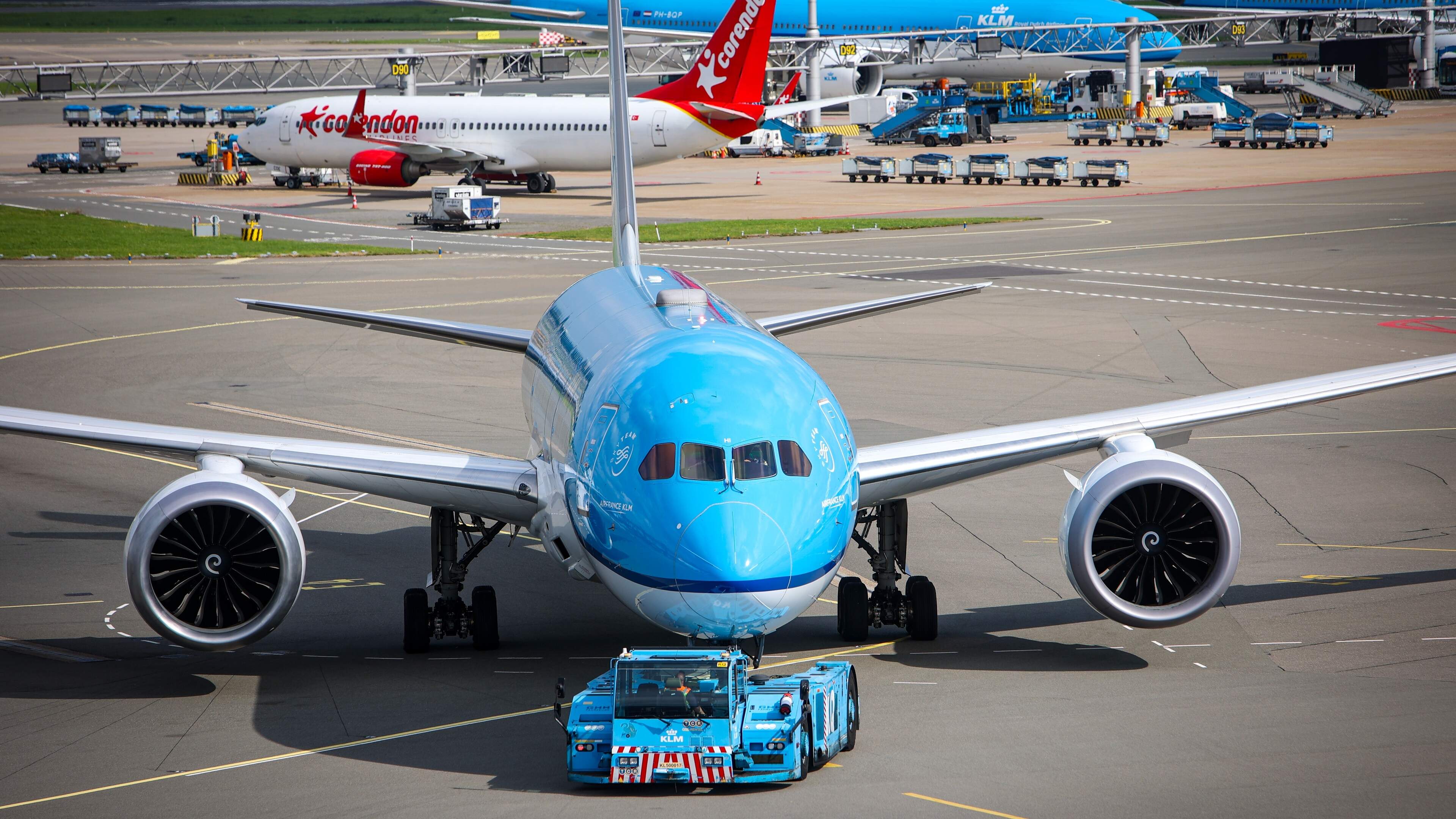
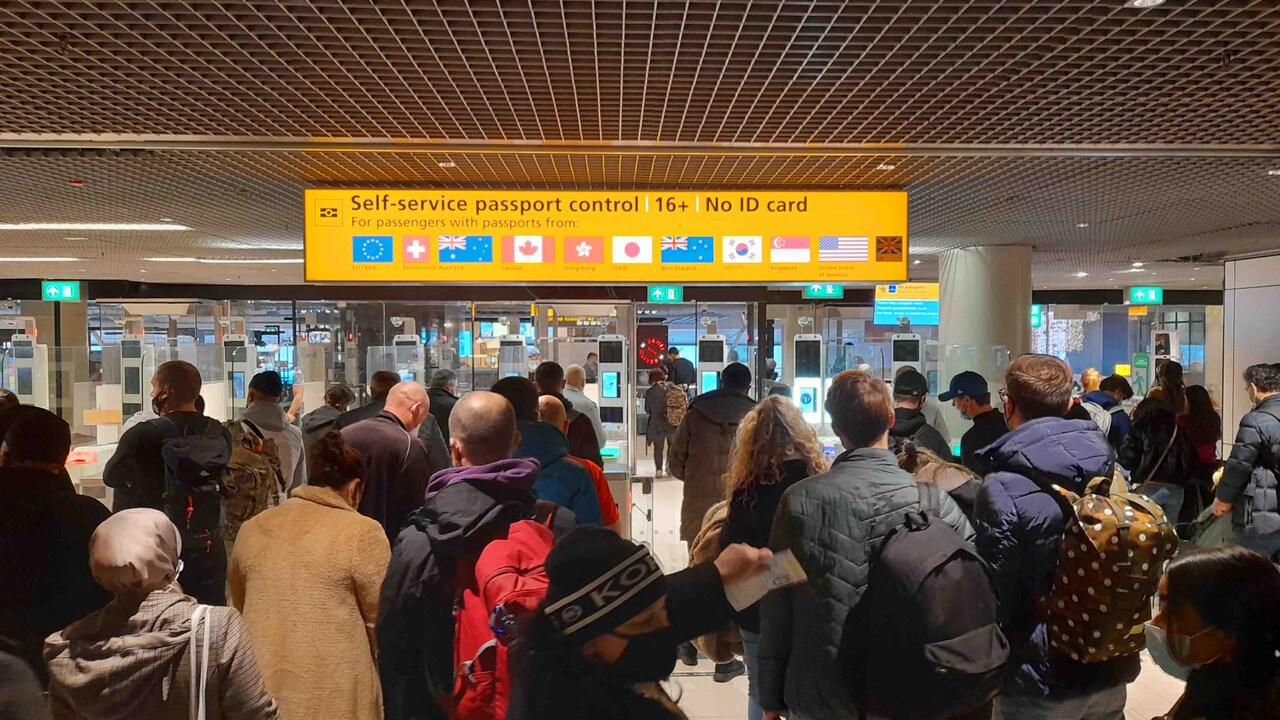
Six months after the introduction of Europe's Entry/Exit System, intended to enhance security and detect fake passports, severe delays persist at Schiphol Airport. The situation is described as critical, with passengers waiting for hours, which officials deem unacceptable.
Six months after the introduction of the Entry/Exit System aimed at enhancing European security and detecting false passports, chaos has erupted. The situation at Schiphol airport is described as critical daily, with passengers facing unacceptable wait times of several hours.
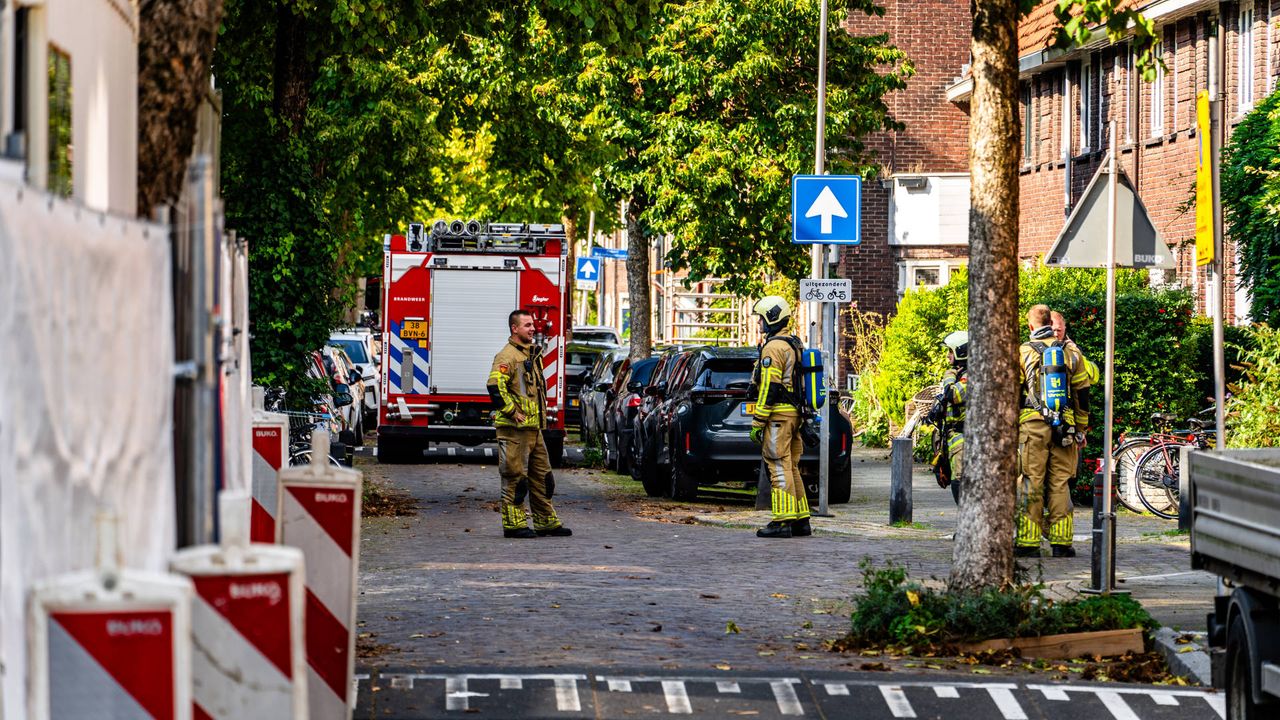
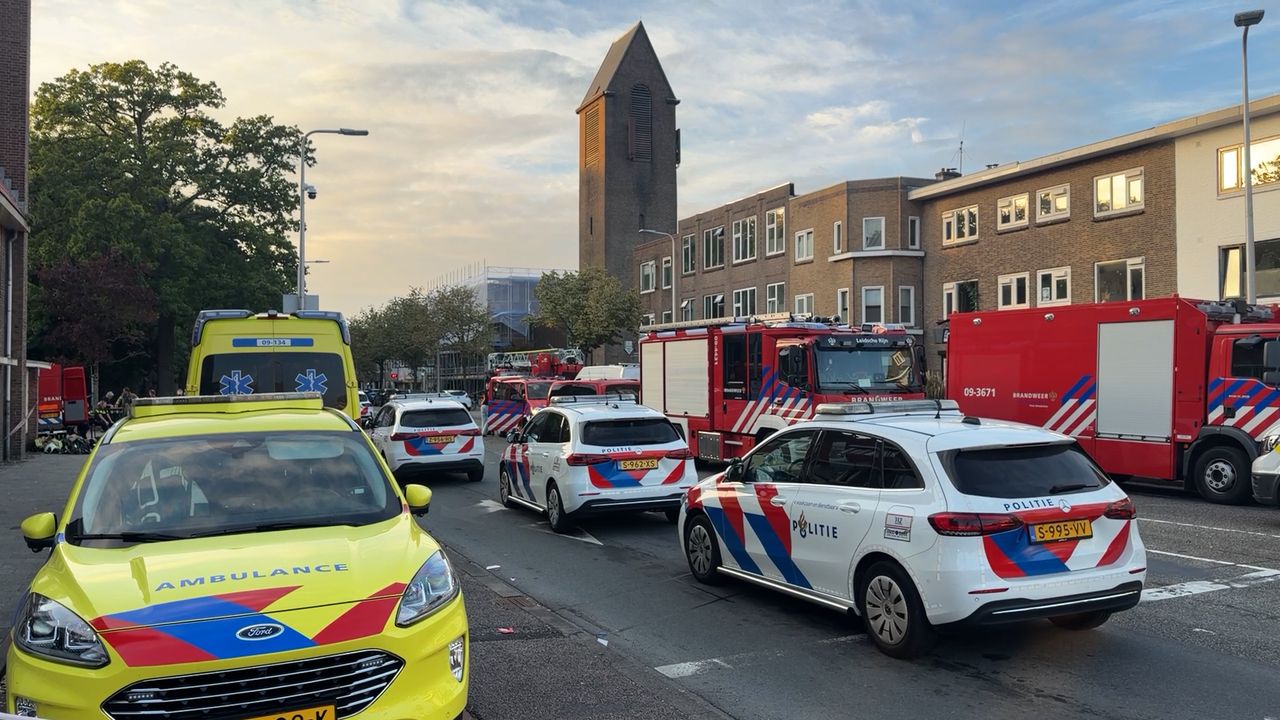
A gas leak detected in the spore walls and crawl space of an apartment complex in Utrecht's Zuilen district led to a large area around Julianapark being cordoned off. Firefighters located a four-centimeter opening to vent the gas safely, allowing emergency services to depart around 19:30. Residents expressed understanding for the safety measures despite the inconvenience and delays caused by the closure.
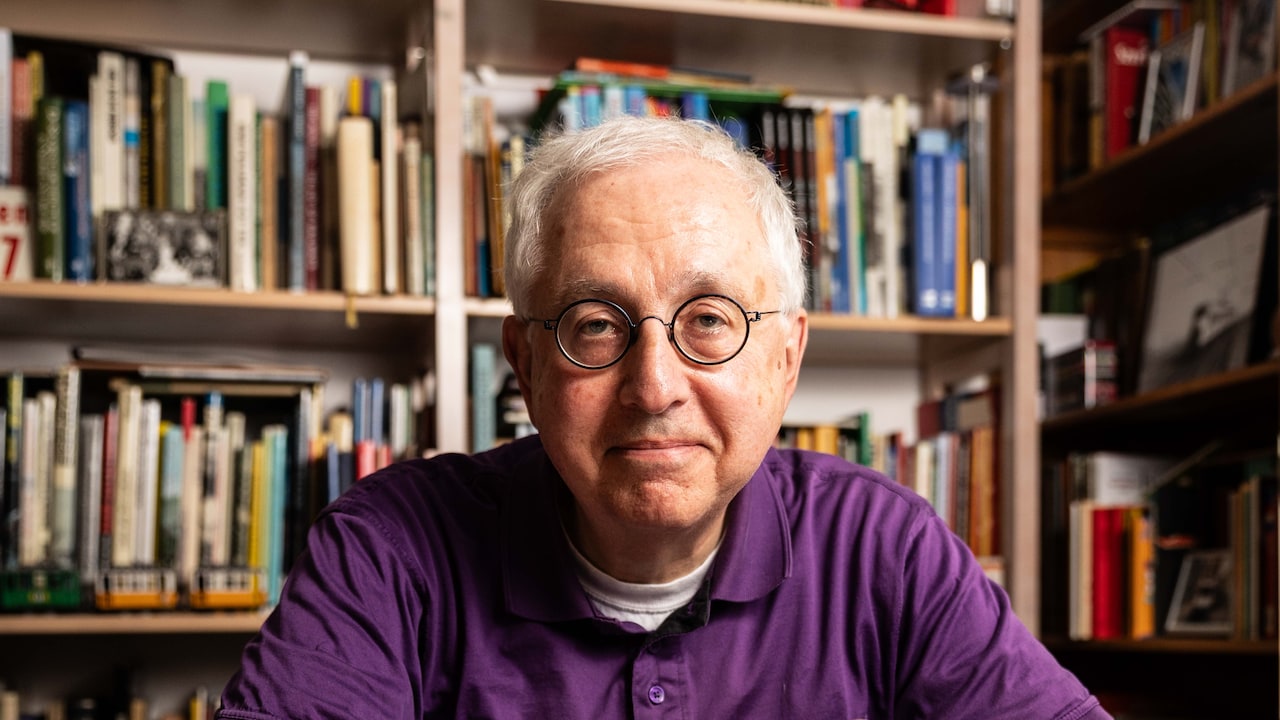
Amsterdam is changing metro numbers to create a more logical system, yet current public transport numbering remains confusing. Transport enthusiast and writer Adriaen Louman warns against excessive changes, noting that the existing network displays little logic despite efforts to simplify it.
Amsterdam's metro lines are being renumbered to create a more logical system, but transit enthusiast and author Adriaen Louman warns that the current network lacks logic. He cautions against implementing too many changes to the public transport numbering scheme.
The Dutch government, the province, and grid operator Enexis are implementing a crisis plan to prevent power outages in nine critical areas of North Brabant where the electricity network is under severe strain. Staatssecretaris Jo-Annes de Bat stated that immediate regional measures are required to maintain reliability, citing similar issues in Utrecht. The strategy involves smarter use of existing capacity through agreements for reduced consumption during peak times, alongside batteries and gas generators, rather than relying solely on slow infrastructure expansion. Approximately 55,000 planned homes in East Brabant face connection delays due to grid saturation. The initial twelve-month collaboration focuses on Eindhoven Noord, Eindhoven West, Etten-Leur, Helmond Zuid, Oss, Den Bosch Noord, Tilburg Noord, and two parts of Uden, selected because Enexis identifies them as having the highest risk to the electrical network.
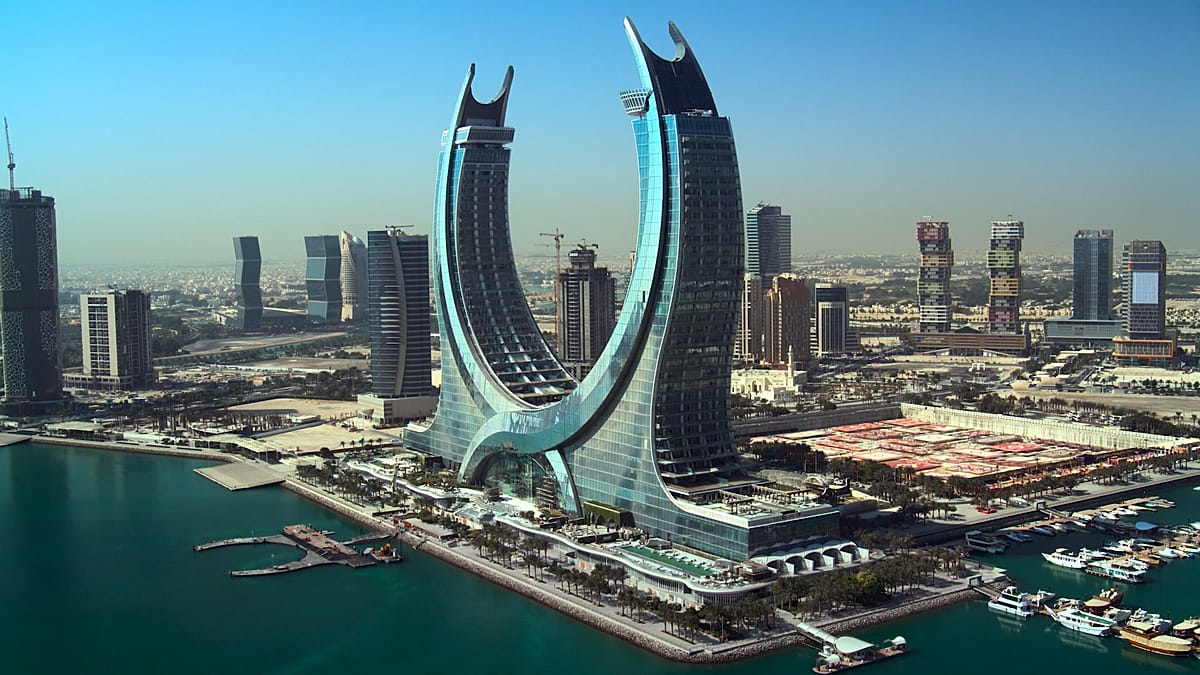
In this episode of Qatar in Motion, we explore how Qatar is building the city of the future, where artificial intelligence, autonomous mobility, smart infrastructure, and sustainability converge to transform everyday life.
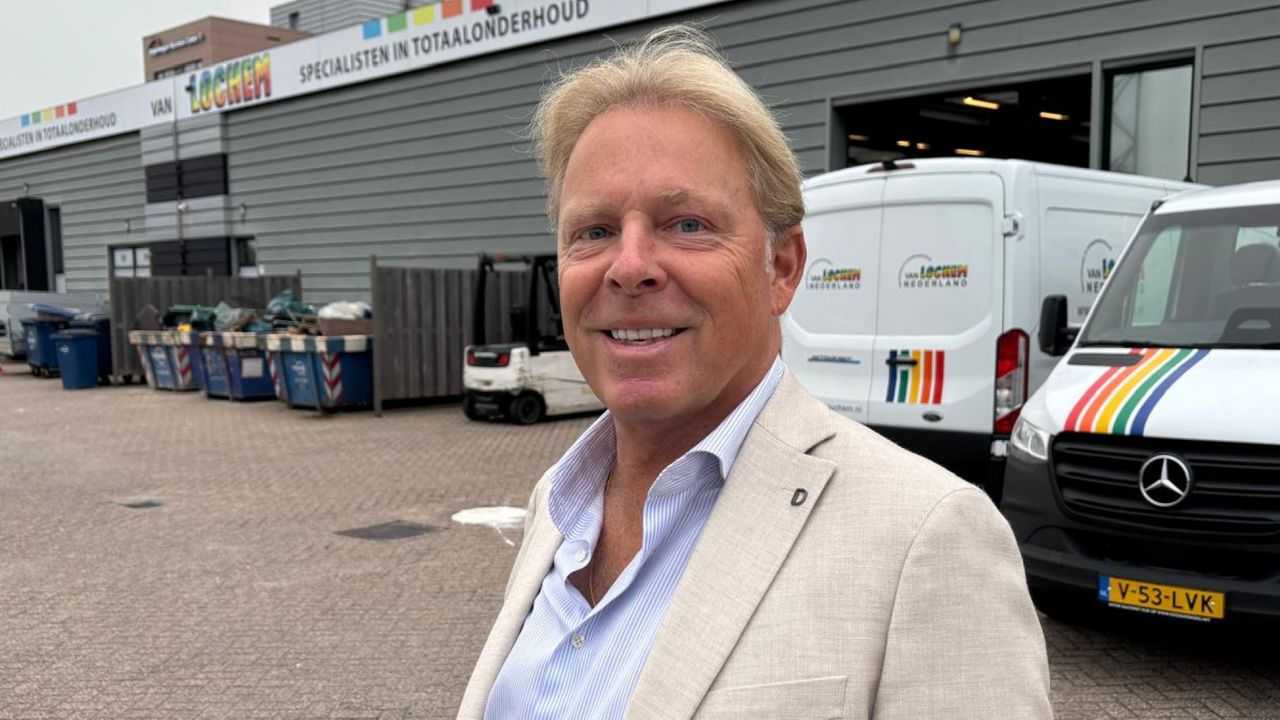
The municipality of The Hague plans to build a new access road along the A4 highway that cuts directly through the headquarters of Van Lochem Maintenance Company in the Vlietzone. Director Jack van Lochem criticized the lack of prior notification and called for alternative routes, such as via Spoorlaan, arguing the current plan threatens the family business's continuity. Opposition parties PvdD and SP have demanded the preferred variant be scrapped due to this error and potential impacts on nature and residents.
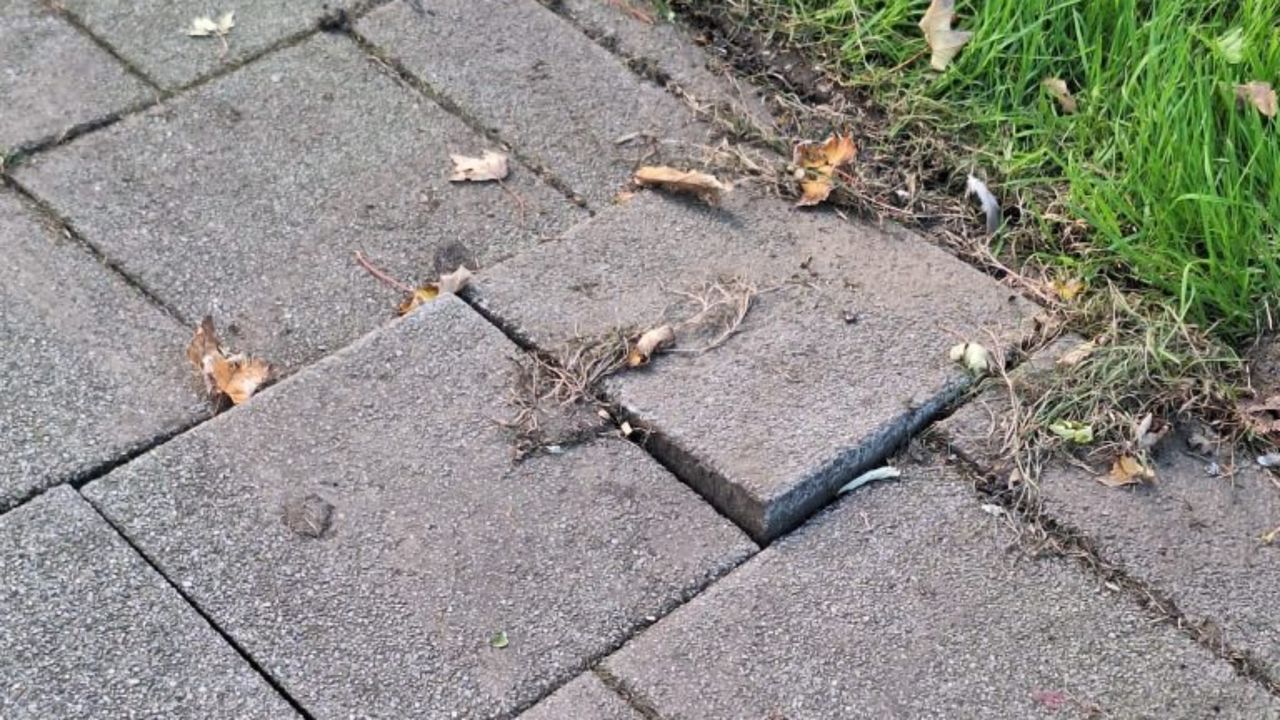
Residents of Schoonegge in Rotterdam-Zuidwijk are concerned about the deteriorating condition of their sidewalk, where uneven and sunken tiles pose safety risks. Neighbor Hans Mulder reported that a woman broke her wrist after falling, describing the hazard as dangerous for elderly residents and those using mobility aids. Although multiple complaints have been filed with the municipality, large-scale repairs are not scheduled until 2027 due to complex root issues and contractor availability. The city acknowledges the problem but states that temporary fixes are insufficient given the scale of damage caused by tree roots.
The province of Zeeland and local municipalities have agreed to sell their 70% stake in the EPZ-owned Borssele nuclear power plant to the Dutch government for 115.7 million euros, with RWE retaining the remaining 30%. This transaction is viewed by Staatssecretaris Jo-Annes de Bat as a crucial move toward extending the plant's operation until 2054, provided safety standards are met and EPZ obtains the necessary license. The provincial authorities seek to exit as shareholders due to financial risks and long-term investment requirements tied to national energy policy. While the First Chamber recently approved legislation allowing for extended operation, the final decision remains contingent on regulatory approval and continued state support.
The Dutch government has agreed to purchase 70% of EPZ, operator of the Borssele nuclear power plant, from Zeeland province and municipalities for 115.7 million euros. This move aims to keep the plant operational beyond its current 2033 expiration date, supported by recent amendments to the Nuclear Energy Act. The state will also provide 119 million euros in capital to ensure stability, while German company RWE retains the remaining 30% ownership.
The danger surrounding a gas leak in the Zuilen neighborhood of Utrecht has passed after emergency services removed gas from a cavity wall and basement of an apartment complex. The Veiligheidsregio Utrecht confirmed that the area is being reopened for residents to return home following earlier evacuation orders.
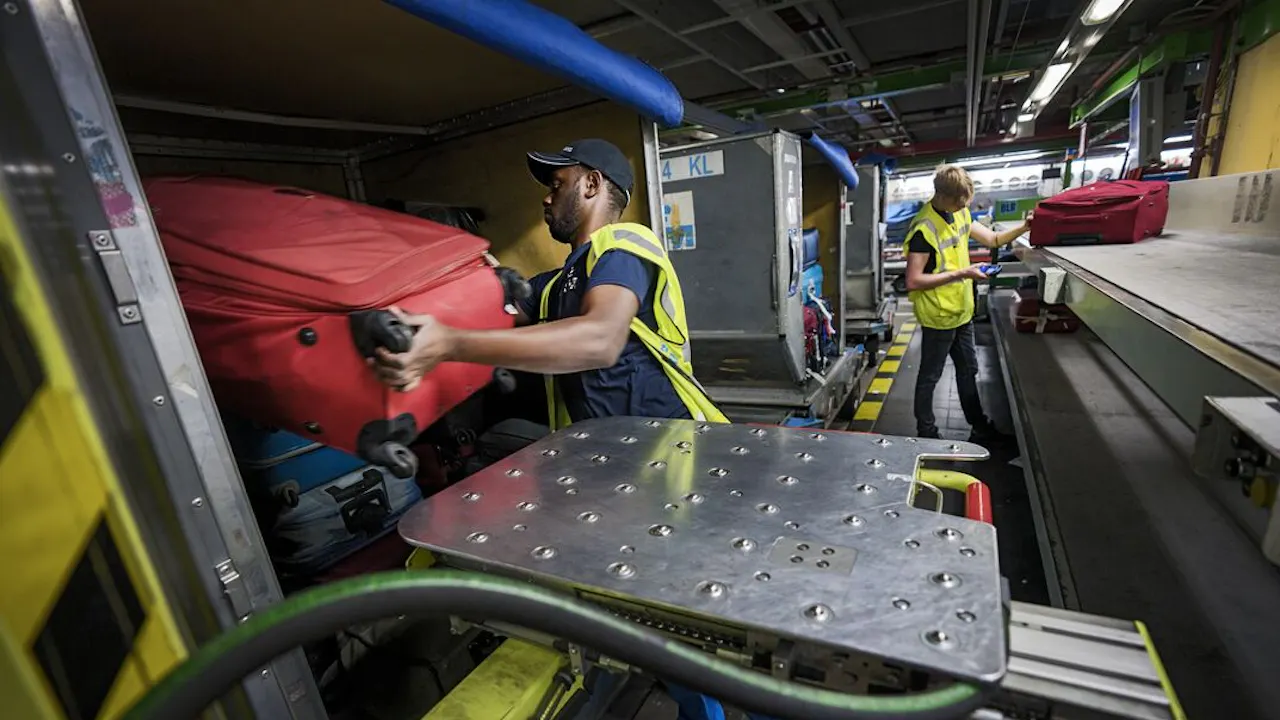
The Court of The Hague ruled in a summary proceeding that Schiphol Airport does not need to restart its ground handling tender, following a lawsuit filed by three losing bidders. In response to the dispute, Schiphol has promised shorter wait times for passengers at baggage claim.
A court ruled that the procedures for the baggage handling tender at Schiphol were conducted properly. Loser Menzies has already announced it will appeal the decision.
Cars remain Europe's top way to travel. However, trains have overtaken buses for the first time in a decade, while planes grew fastest of any mode of transport over the same period.
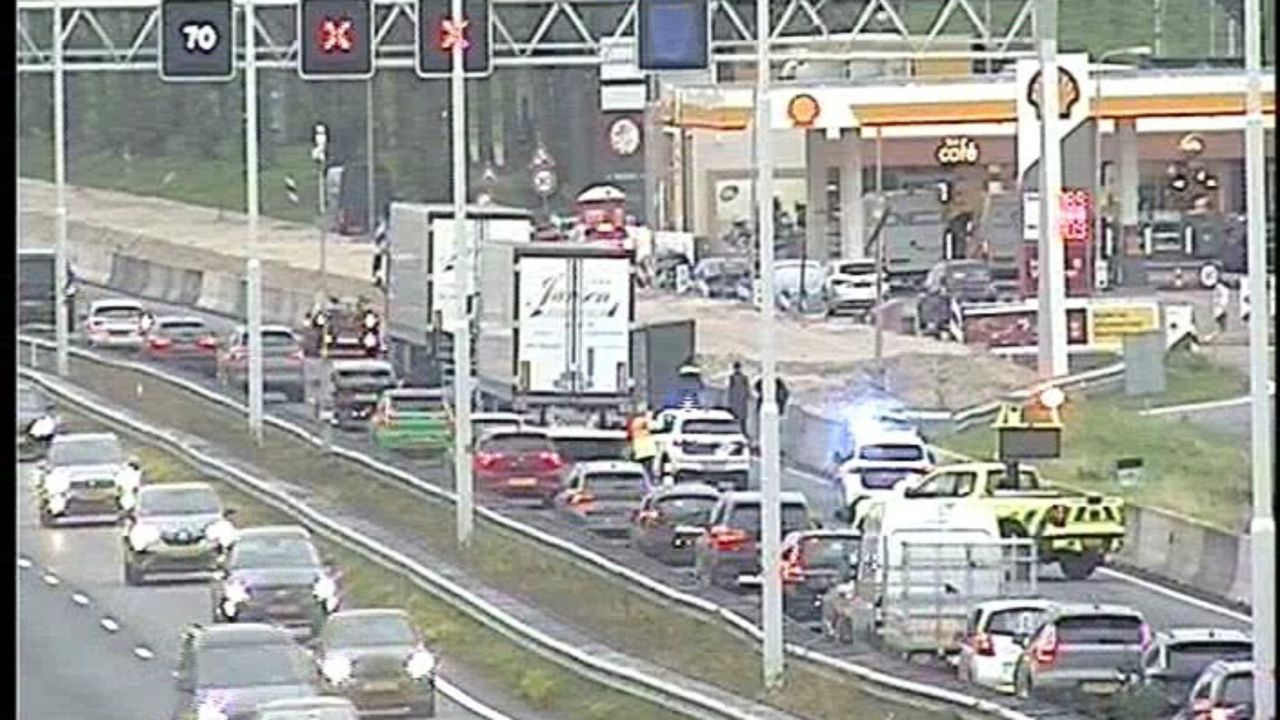
Two lanes on the A27 near Nieuwegein have reopened after being closed due to a small truck accident that occurred around 08:15. Rijkswaterstaat confirmed the vehicle was removed by a recovery service, ending significant delays and the 50-minute wait times that affected motorists traveling toward Gorinchem earlier in the morning.
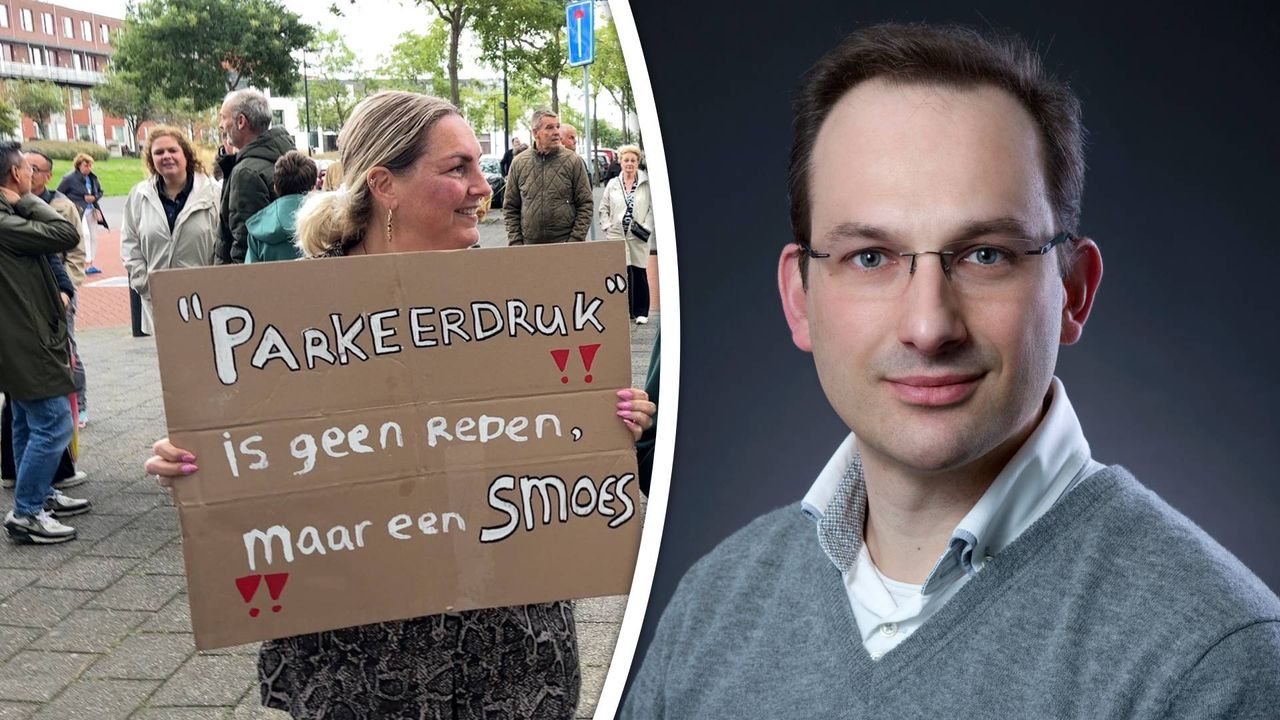
Erasmus University researcher Giuliano Mingardo states that Rotterdam’s introduction of paid parking is irreversible because shifting from free to paid fees creates significant public resistance, yet municipalities rarely reverse such decisions. Mingardo argues that parking fees manage scarce urban space rather than generating revenue, noting that most parkers are visitors subsidizing local residents. Despite protests against monthly permit costs, he asserts that free parking effectively subsidizes motorists, making paid parking a necessary tool for urban mobility management.
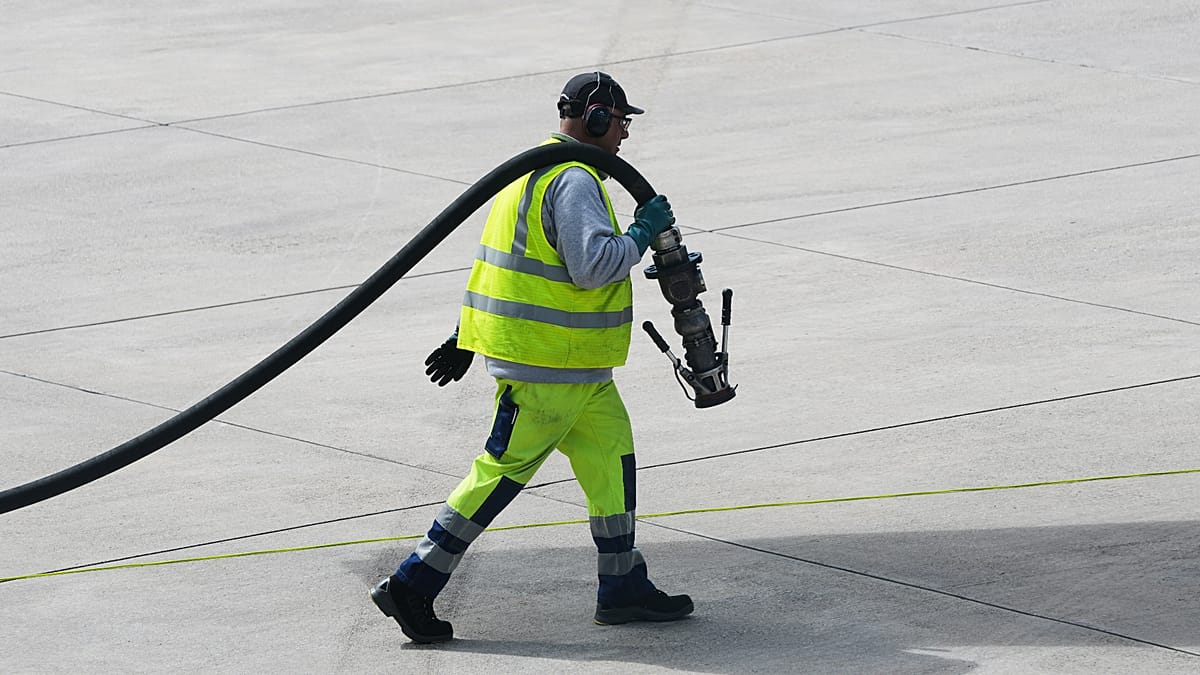
Falling demand from November and increased shipments from Asia are expected to leave Europe with enough jet fuel in the coming months, although analysts warn that smaller airports could still run dry.
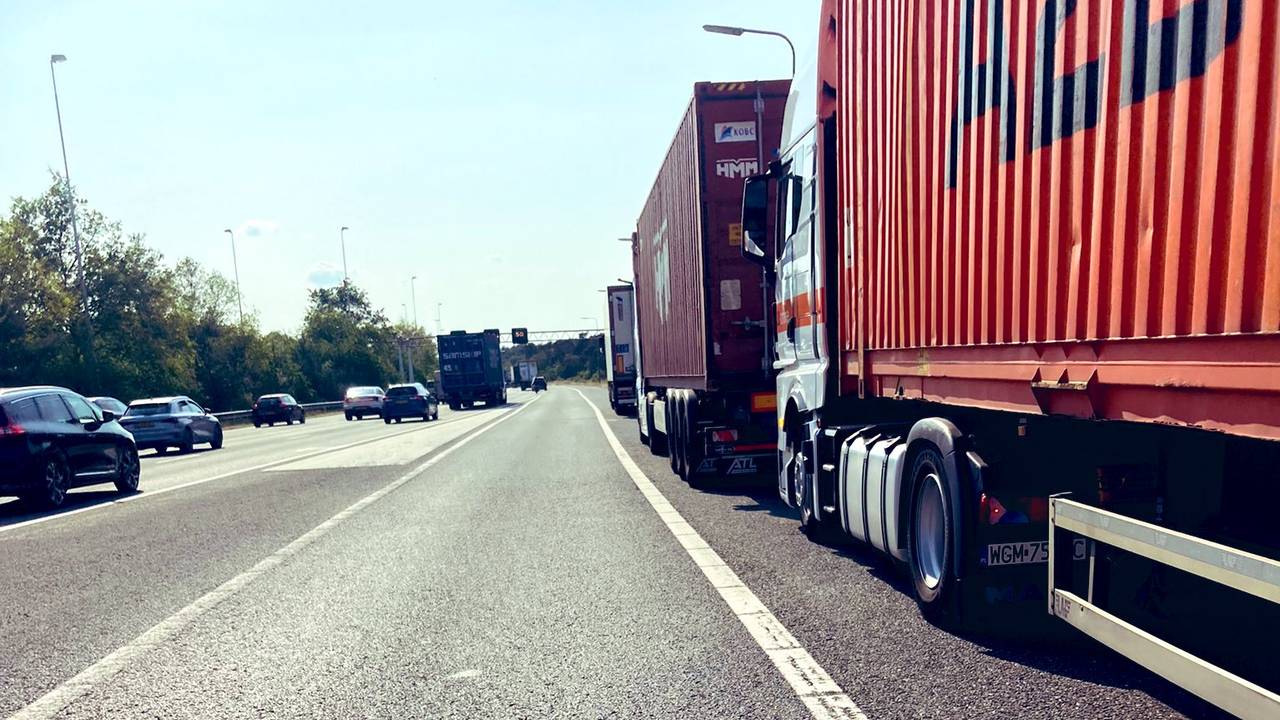
A severe shortage of parking spaces in the Netherlands leaves over 4,000 truck drivers daily without a place to rest, forcing them to choose between illegal parking or risking fines by exceeding driving limits. Research indicates deficits of 776 spots in Brabant and 1,551 in Limburg each day. Jan, a former driver with forty years of experience, notes that deteriorating facilities and lack of respect exacerbate the stress, as drivers constantly worry about finding overnight spots. Consequently, many park on emergency lanes despite safety risks, while authorities like Rijkswaterstaat install bollards to prevent this. The issue is highlighted in the documentary 'Parkeerplaats gezocht' available on Brabant+.
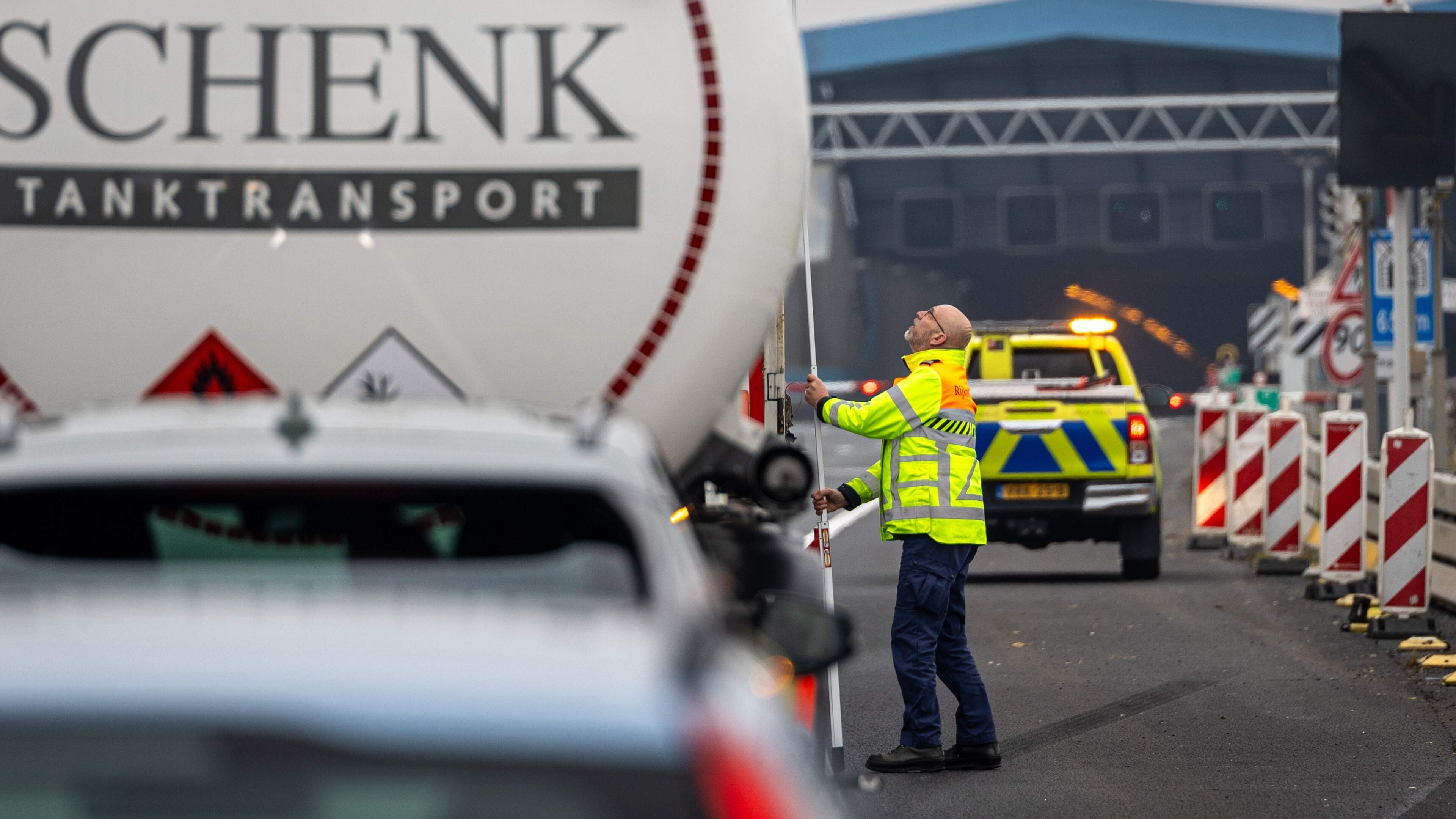
Rijkswaterstaat reports that the number of trucks stranded at low tunnels is increasing due to extensive road maintenance and sudden closures. This situation causes traffic on already congested detour routes to face even more frequent jams.

/s3/static.nrc.nl/wp-content/uploads/2026/09/23151414/230926VER_2036922447_1.jpg)