During the UN General Assembly in New York, foreign correspondent Frank Hendrickx observed that major powers like the US and China appear indifferent to global issues, while smaller nations are heavily impacted. The article title references claims that coordinated pressure successfully prevented sanctions against the International Criminal Court.
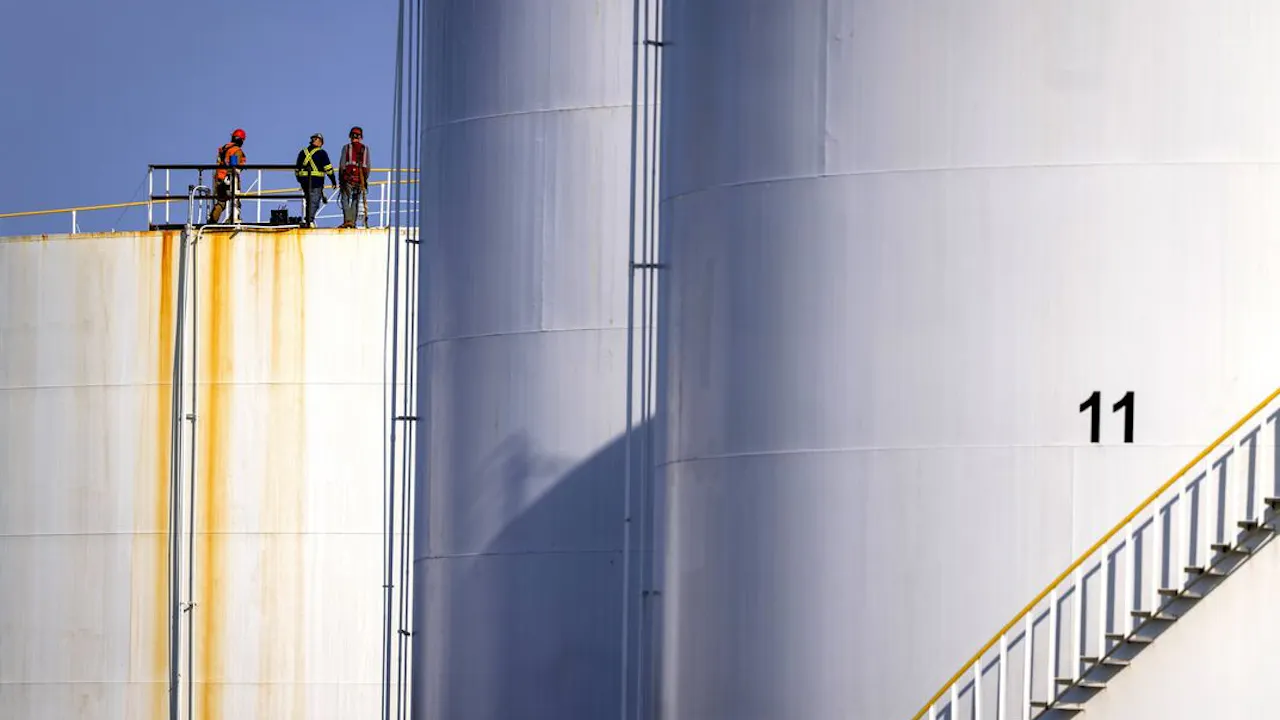
President Trump is considering banning US diesel exports to lower domestic pump prices, posing a significant challenge for Europe which relies on over one million barrels per day from non-EU refineries. This potential ban leaves Europe vulnerable as previous suppliers like Russia and Saudi Arabia are no longer available sources.
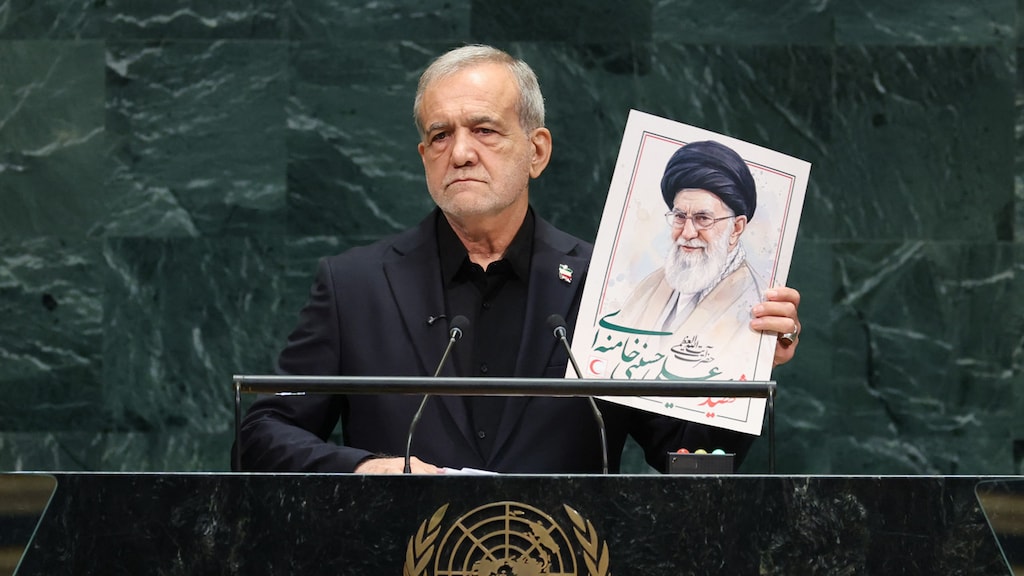
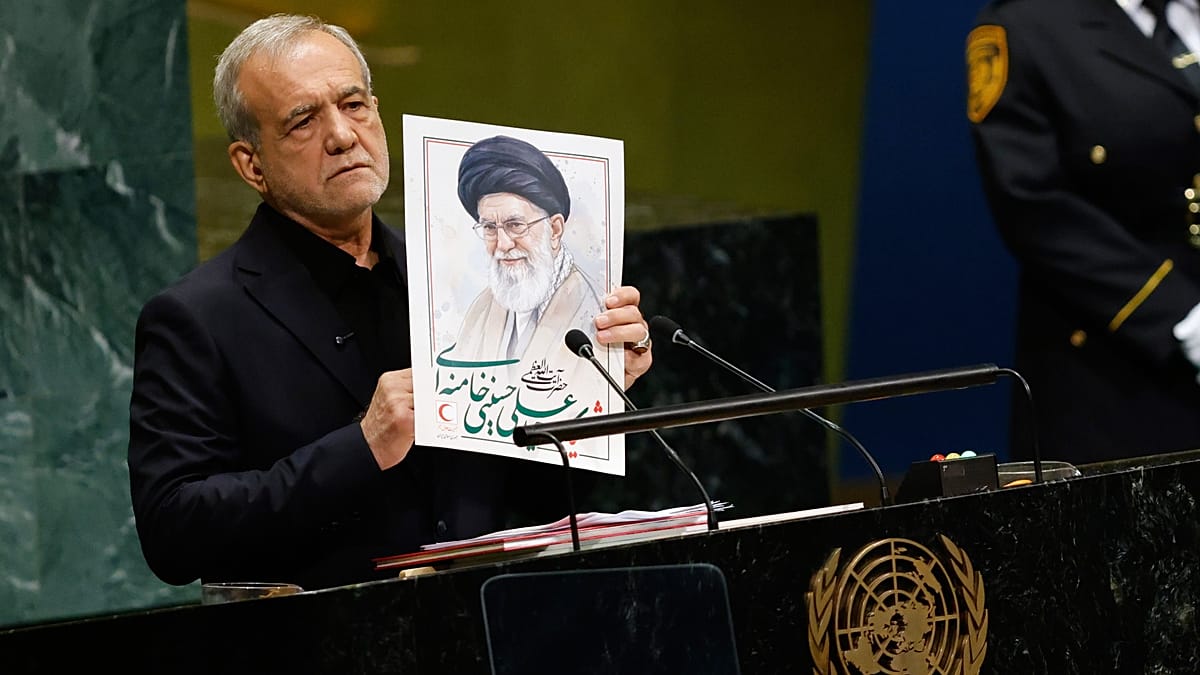
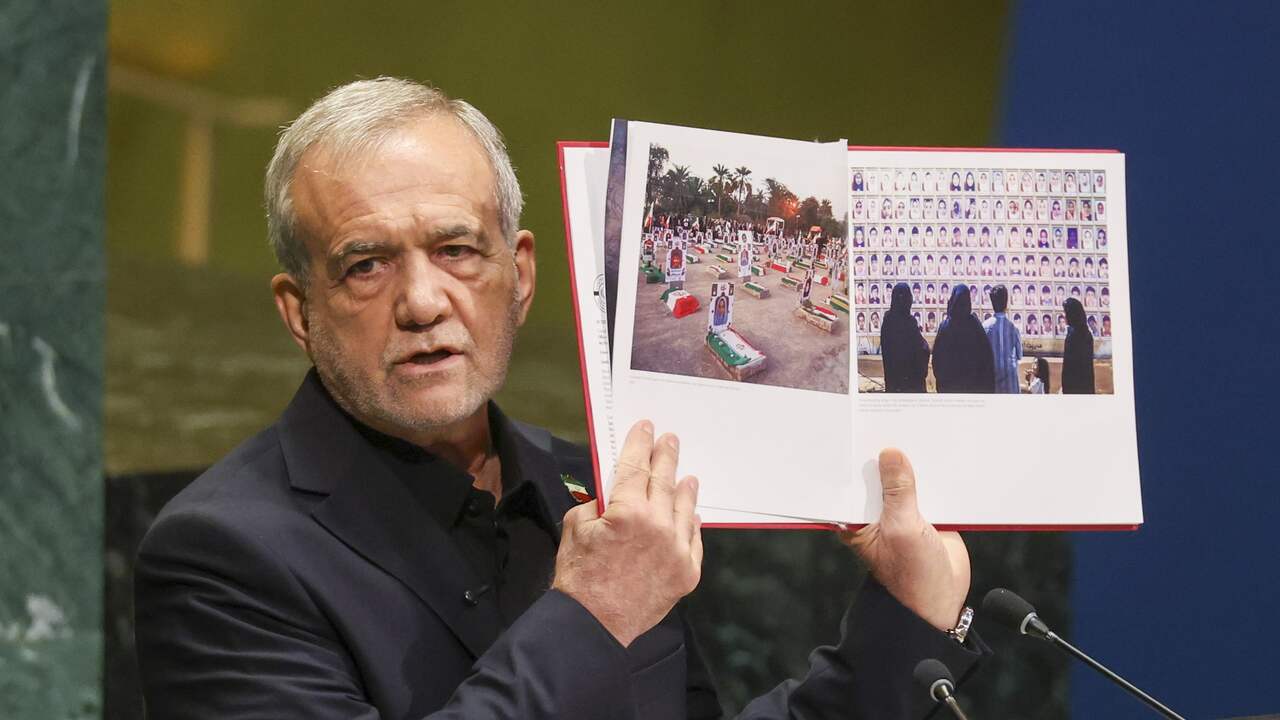
Iranian President Pezeshkian addressed the UN General Assembly, stating that his people are victims of US terrorism and will not yield to pressure following President Trump's threat to destroy Iran. The US delegation left the hall after Pezeshkian displayed images of Supreme Leader Khamenei and 120 schoolchildren killed on the first day of the war. While experts note that background negotiations via mediators have resumed, both sides remain unwilling to compromise. Trump expects a deal after the November midterms, but analysts doubt progress as the conflict continues.
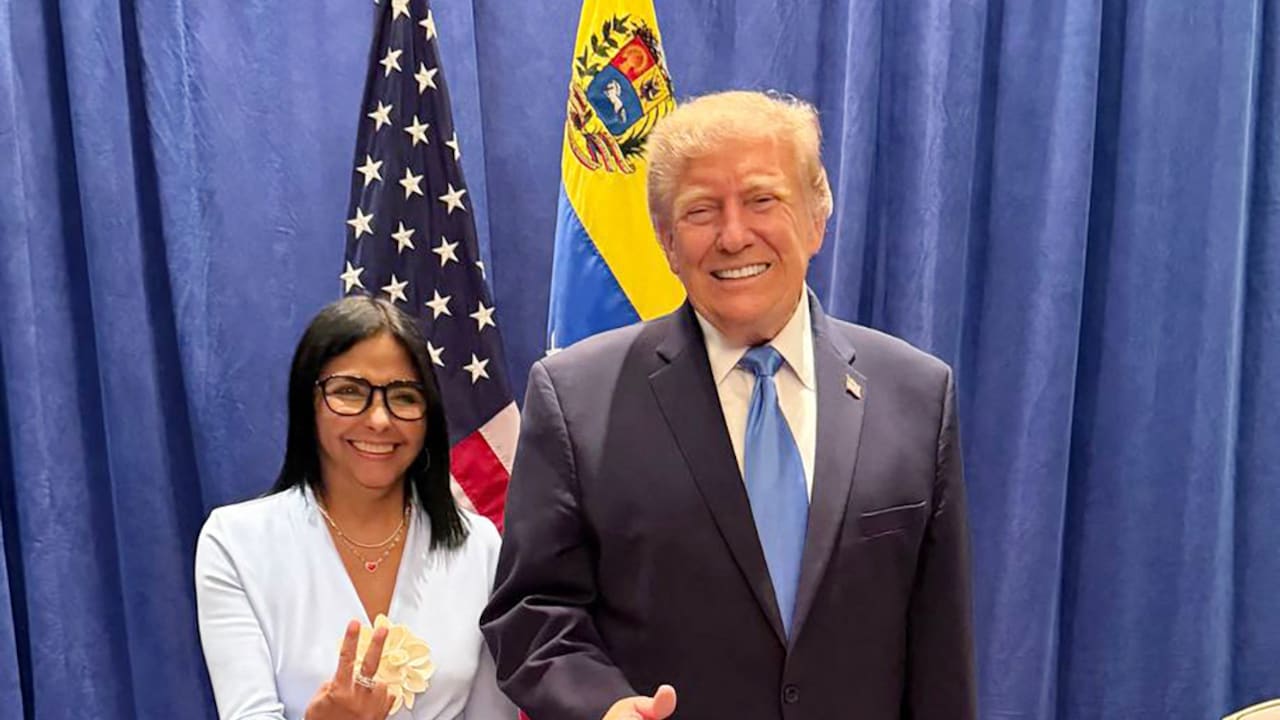
Washington reinforced its preferred diplomatic partner in Venezuela this week as President Trump met with interim president Rodríguez in New York. In contrast, opposition leader Machado was prevented from entering his own country during the same period.
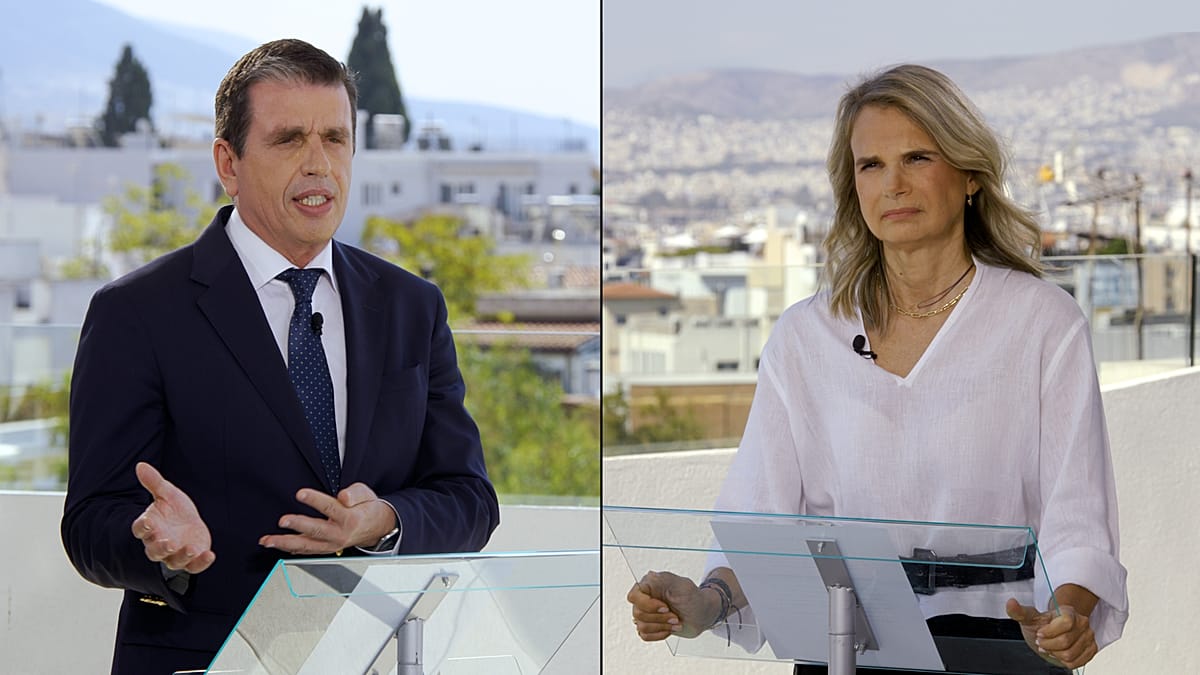
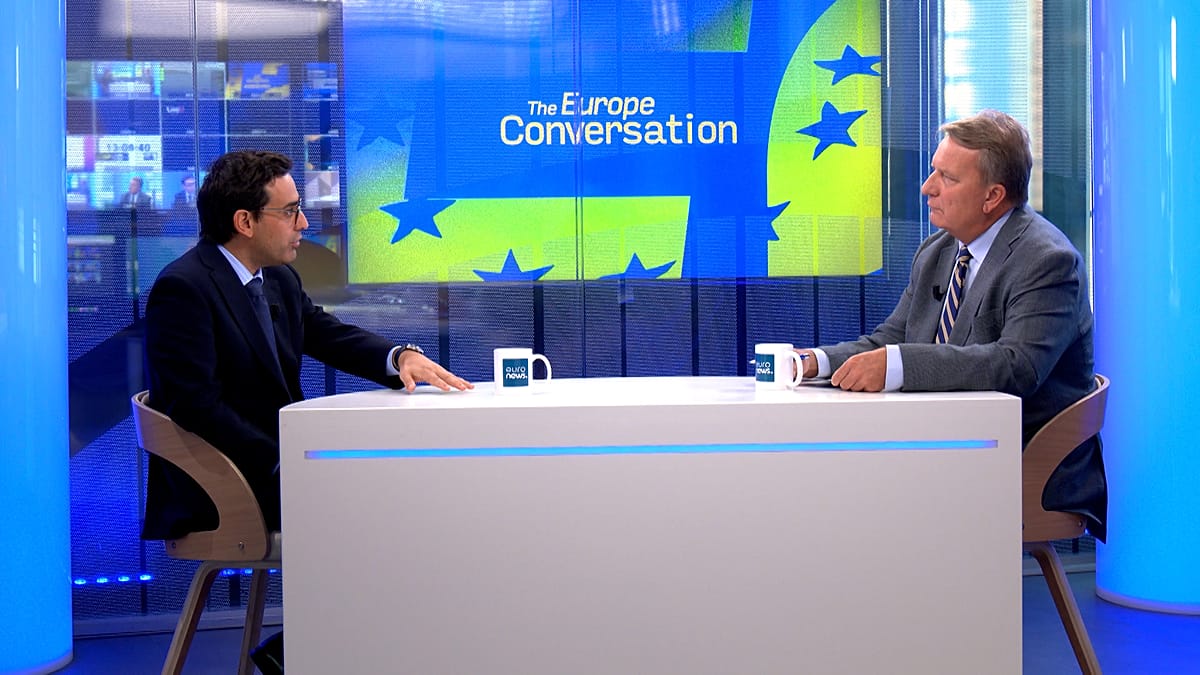
From Brussels and Strasbourg to the heart of Athens, overlooking the Acropolis: "The Ring" travels to the Greek capital for a political showdown centred on migration, the housing crisis, and the arrest warrant issued against Benjamin Netanyahu.
In his UN General Assembly speech, Iran's president also accused the US and Israel of illegal attacks on civilians as the US delegation walked out. He closed with a direct message to Trump: "Yes they did hit us, but we did not bend the knee."
Iranian President Masoud Pezeshkian addressed the United Nations, asserting that Iran has been a victim of US terrorism and acted only in self-defense against attacks on schools, hospitals, and scientists. He criticized the US and Israel for violating international law and highlighted the double standard regarding nuclear weapons, noting Israel possesses them without sanction. Pezeshkian maintained that Iran’s nuclear program is for peaceful purposes and rejected claims of aggression, stating no civilians were targeted in retaliatory strikes against countries hosting US bases.
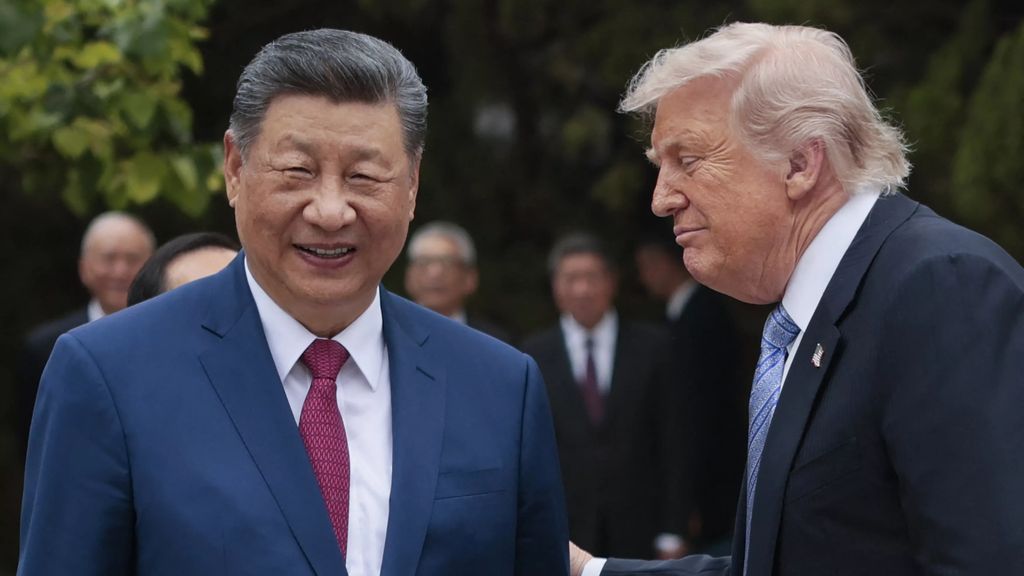
Ahead of the summit between Presidents Trump and Xi in Washington, both nations remain focused on dominating artificial intelligence rather than restricting its development. While Trump stated he will not curb AI growth despite risks, experts note that mutual distrust prevents concrete safety agreements similar to Cold War nuclear treaties. Although US Treasury Secretary Scott Bessent indicated openness to dialogue on shared risks following talks with Chinese Vice Premier He Lifeng, analysts doubt meaningful concessions will emerge. Concerns are rising as AI errors nearly triggered military incidents, with polls showing 63% of Americans fear existential threats from the technology.
A Volkskrant commentary argues that the EU's resolve against Russia is weakening, citing France's removal of oligarchs Alisjer Oesmanov and Michaïl Fridman from sanctions lists. Although French President Emmanuel Macron recently warned the political elite about Russian hybrid campaigns, his administration removed these figures to secure the release of two French citizens detained in Azerbaijan. The article notes that while individual sanctions on over 3,000 Russians remain, this move provides a symbolic victory for the Kremlin. It highlights growing inconsistencies among European leaders, including Hungary’s Viktor Orbán and Slovakia’s Robert Fico, suggesting that internal divisions undermine the bloc's unified front against Moscow.
French President Emmanuel Macron will not attend any masses during Pope Leo XIV's visit to France, which begins on Friday, September 25. The Élysée Palace announced this decision after the Vatican scaled back plans for an elaborate reception earlier in the week, indicating underlying tensions between the French government and the Holy See regarding the protocol and nature of the papal visit.
The EU Industry Commissioner warned that the EU will consider using punitive trade measures if Beijing does not rebalance the trade deficit, which costs the bloc thousands of jobs every week.
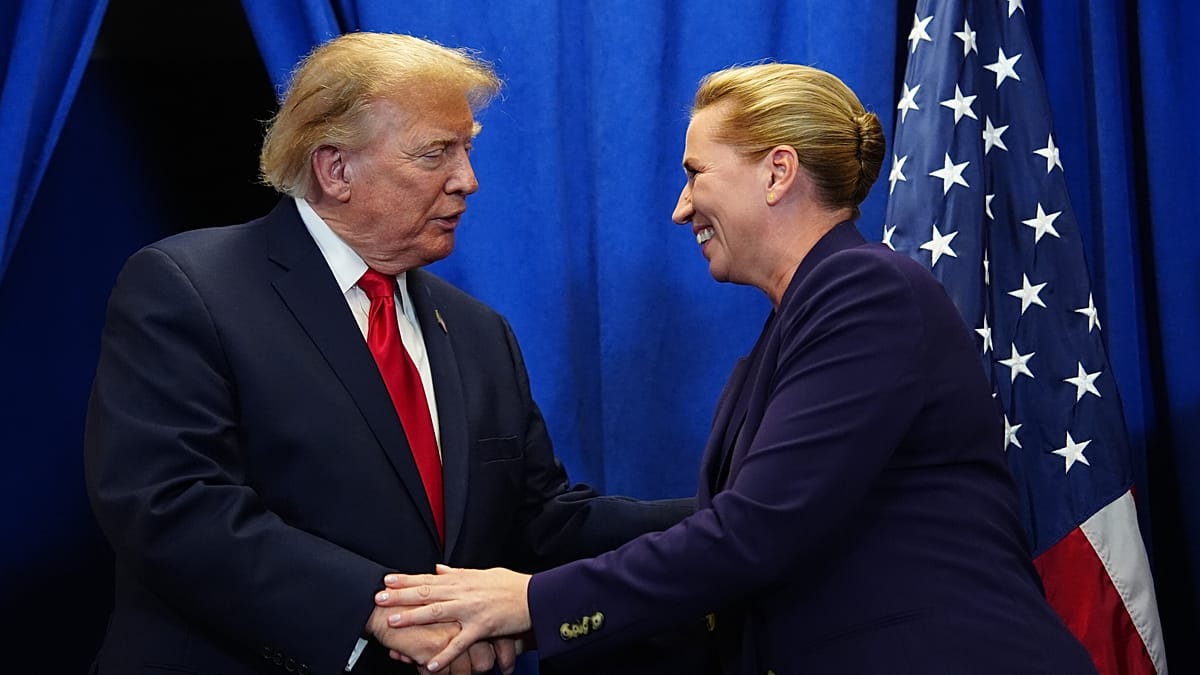
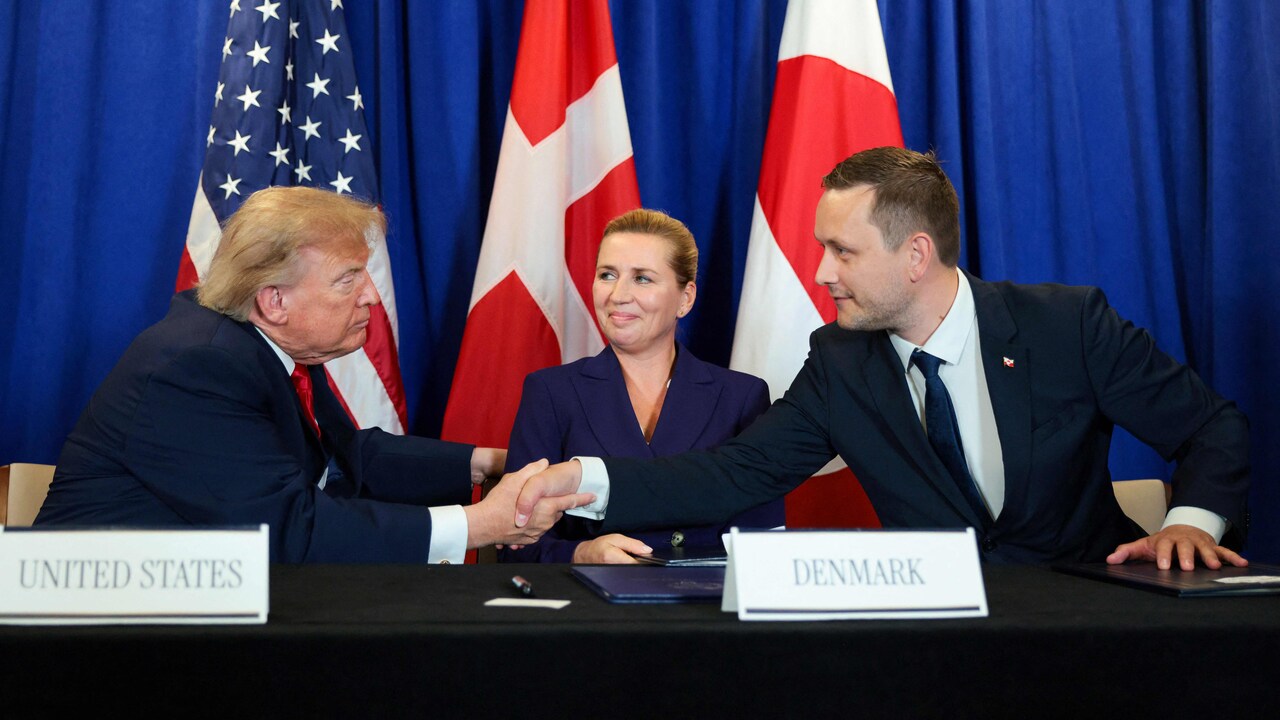
After ten months of talks, the governments of Copenhagen, Washington and Nuuk have signed a deal settling the fate of Greenland. Trump claims it gives him "permanent control" over the Arctic island.
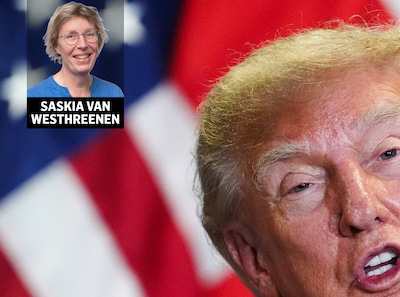
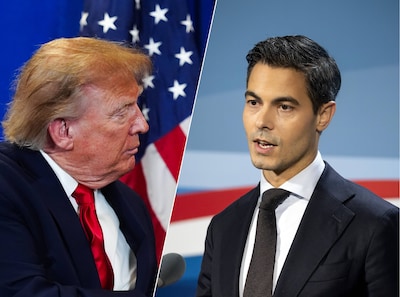
An AD columnist questions why the Netherlands, host to the International Criminal Court (ICC), does not more firmly defend the institution against Donald Trump's attacks. Despite US sanctions and pressure, the article argues that Minister Tom Berendsen should utilize diplomatic tools like blocking regulations to protect the ICC, emphasizing that international reputation requires active defense rather than just words.
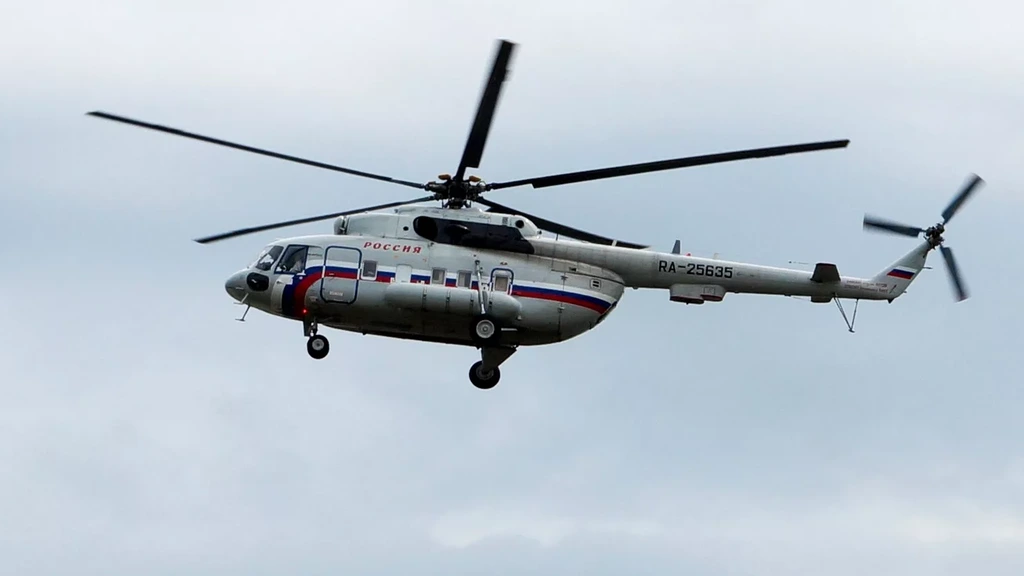
A Russian Mi-8 helicopter violated Polish airspace for 42 seconds near the Kaliningrad border, prompting Poland to scramble fighter jets and place ground troops on alert. This incident follows warnings from Polish Prime Minister Donald Tusk and European intelligence chiefs that Russia intends to test NATO’s readiness with small-scale hybrid attacks within months. The violation occurs amid heightened tensions after a recent drone strike damaged a train near the Polish border, leading Tusk to declare a high state of readiness. Meanwhile, Polish President Nawrocki expressed hope for US support, suggesting a potential permanent military base in Poland could be named 'Fort Trump' following recent US sanctions against Russia.
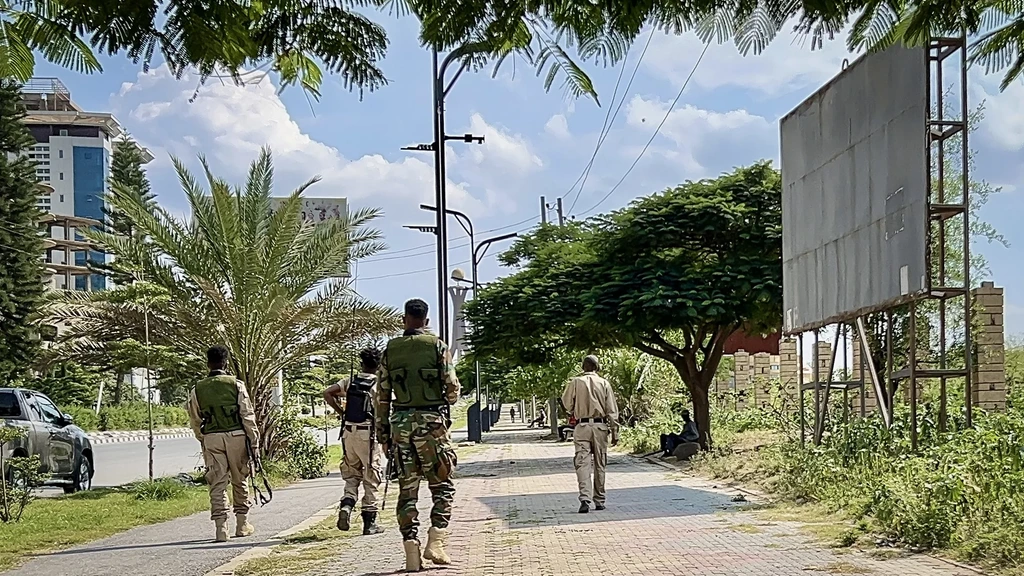
Fighting has broken out in Ethiopia’s Tigray region between the federal government and the Tigray People's Liberation Front (TPLF), threatening the 2022 peace agreement that ended the previous civil war. The TPLF claims it has launched a defensive war after accusing the government of drone and artillery strikes, while an advisor to Prime Minister Ahmed confirmed that rebels have seized Mek'ele airport and attacked government facilities in Afar and Amhara. Ethiopian Airlines has canceled flights to affected cities, and sources report armed fighters at the airport. The unrest follows disputed June parliamentary elections that excluded Tigray and were criticized by human rights organizations, raising fears of renewed conflict in a region where an estimated 600,000 people died during the 2020–2022 war.
US President Donald Trump agreed not to annex Greenland but secured rights to establish military bases and make economic investments during a signing ceremony in New York on Tuesday. This development marks a shift following tensions that had strained relations between Washington and European partners.
The Spanish government forwarded a controversial US extradition request to the courts despite efforts to block it. The case involves a 41-year-old activist millionaire who has expressed support for Hamas.
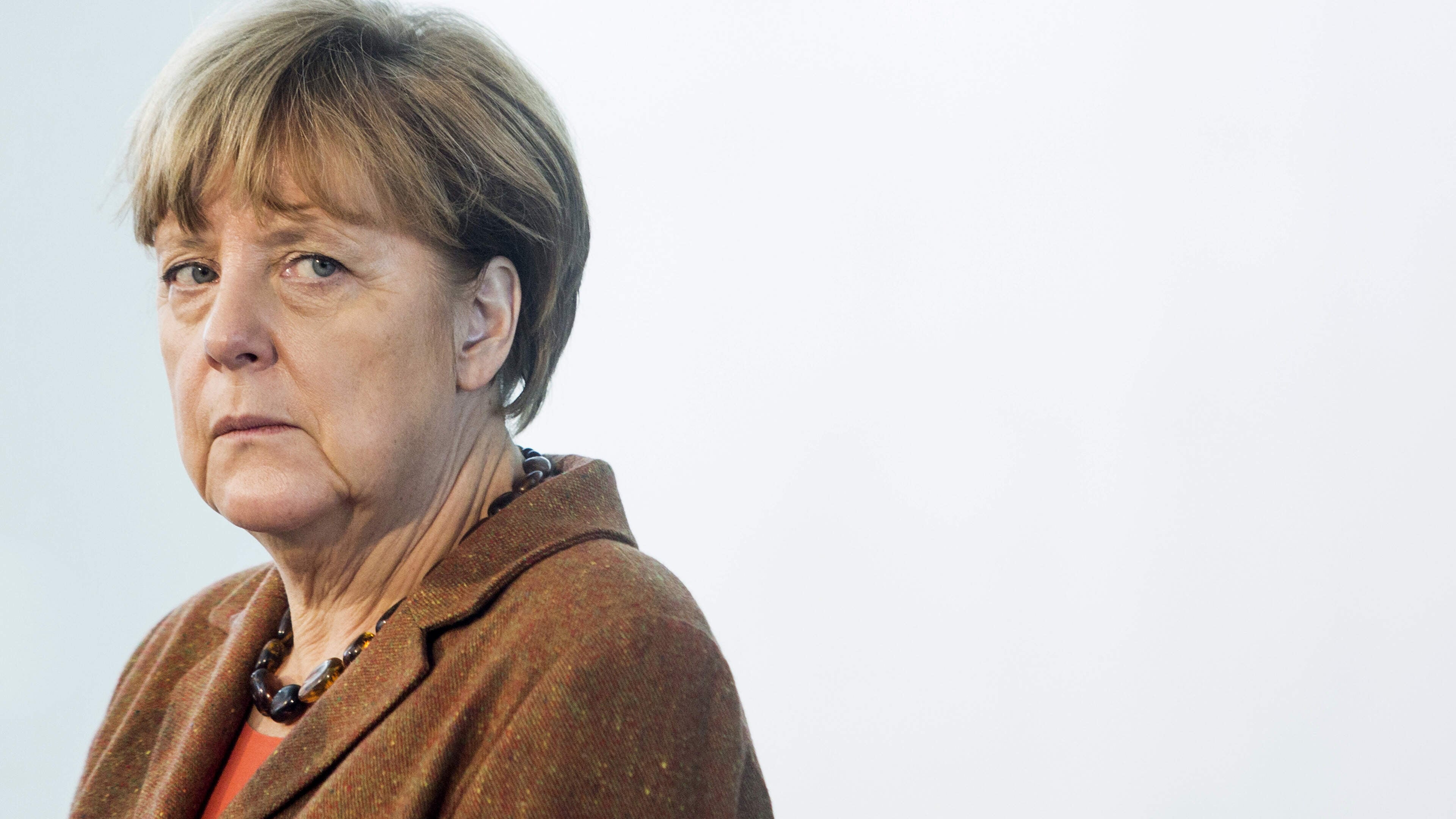
The German political landscape is undergoing significant changes as radical parties gain ground in regional elections. The article questions whether Angela Merkel is to blame for these shifts, suggesting that her welcoming culture policy may be having unintended negative consequences.
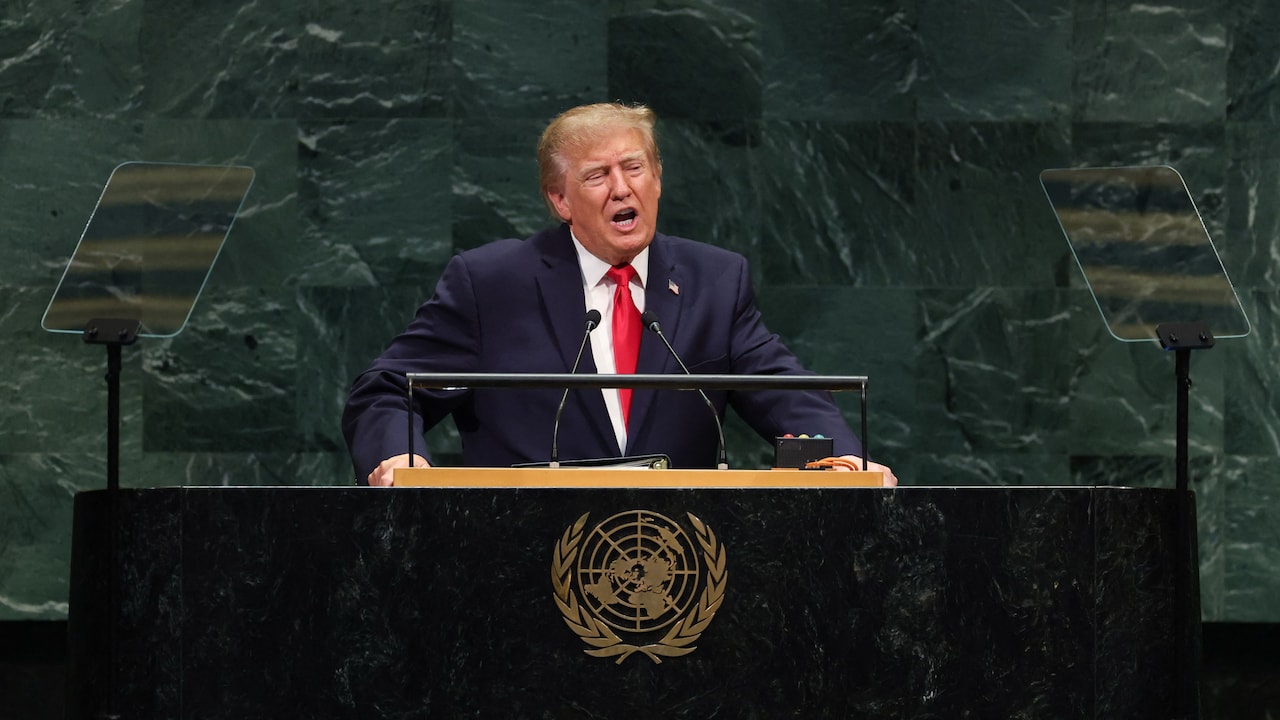
US President Trump intensified his attack on the International Criminal Court (ICC) in The Hague during his UN speech, calling for countries to withdraw from the institution. Dutch Foreign Minister Tom Berendsen expressed regret over the hardened tone but emphasized efforts to protect the court through discreet measures. While an EU blocking regulation exists to neutralize US sanctions, the Dutch government prefers not to use it to avoid escalating diplomatic tensions with Washington. Former diplomat Tom de Bruijn noted that such instruments are rarely used, highlighting EU member states' perceived powerlessness against such attacks.