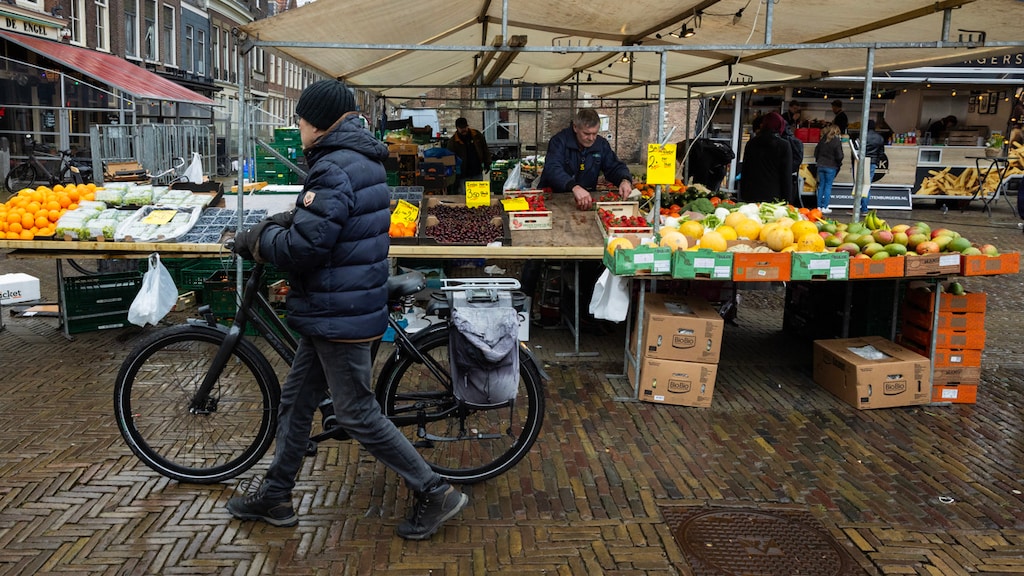
According to the Centraal Bureau voor de Statistiek, the average Dutch person has approximately half a percent more disposable income each month despite recent price increases. Discount retailers are aggressively competing to retain customers who now have slightly more money to spend, roughly two extra euros per month. Kruidvat director Ed van de Weerd described the market environment as a fierce struggle for these additional funds, highlighting the intense competition among discounters to capture consumer loyalty in an inflationary context.
Experts advise regularly checking payslips because errors frequently occur, particularly during changes in employment status or tax rules effective January 1st. Ruud van Leeuwen of the Dutch Institute of Register Payroll Accounting notes that discrepancies should always have an explanation, as small monthly mistakes can significantly impact allowances, pension buildup, and future benefits. Stefan op de Woerd from Youforce highlights risks associated with irregular working hours, overtime, and multiple employers affecting tax deductions. Employees are urged to verify details such as declared kilometers, home office allowances, and vacation pay to ensure accuracy and prevent long-term financial losses.
The Fiscal Information and Investigation Service (FIOD) conducted raids at multiple locations in Eindhoven on Wednesday, involving searches of businesses and residences with assistance from Customs. A suspect was arrested by the Special Support Team after being subdued and handcuffed, while earlier a mobile phone shop was searched using detection dogs. Authorities confirmed the operation was part of an ongoing investigation but did not disclose specific details regarding the nature of the inquiry or the total number of arrests made.
Dutch households had slightly more disposable income in the second quarter of this year compared to the same period last year, primarily due to higher wages, increased benefits, and job growth. Real disposable income rose by 0.7 percent, while total employee compensation increased by 5 percent and unemployment benefits jumped by 7.4 percent. However, mixed income for self-employed individuals fell by 2.2 percent, and mortgage debt reached approximately 948 billion euros.
Money editor Maartje Huijben explains that while saving may seem safe, inflation erodes purchasing power, making investing a necessary alternative. Author Milou Brand advises beginners to prepare thoroughly, define long-term goals, and only invest money they do not need immediately to avoid forced sales at a loss. She recommends using ETFs for diversification across countries and sectors to mitigate risk. Investors must also establish an emergency buffer, which can be calculated via Nibud’s BufferBerekenaar. While traditional banks like Rabobank offer managed accounts with approximately 1.5 percent fees, Brand notes these costs can exceed 22,000 euros over thirty years on a 20,000 euro investment. However, she acknowledges that paying for management may provide peace of mind for those who prefer not to monitor their investments directly.
According to the Central Bureau of Statistics (CBS), Dutch households had slightly more disposable income in the second quarter, rising by 0.7 percent compared to the same period last year. This increase was primarily driven by a 5 percent rise in employee wages, higher unemployment benefits linked to minimum wage increases, and higher pension payouts. While self-employed individuals saw their income drop by 2.2 percent, total mortgage debt also grew to 948 billion euros, representing 80 percent of the economy's size.
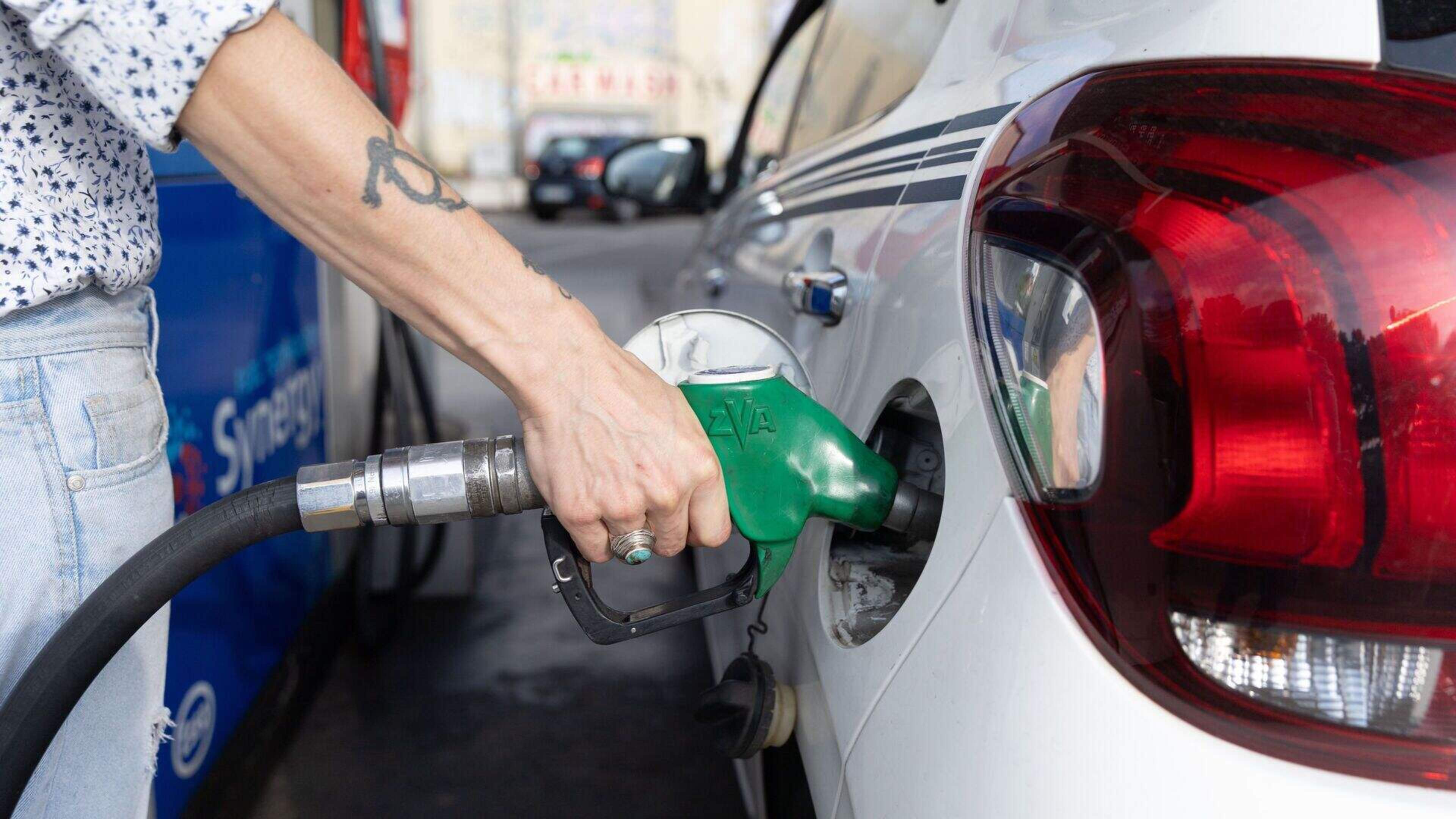
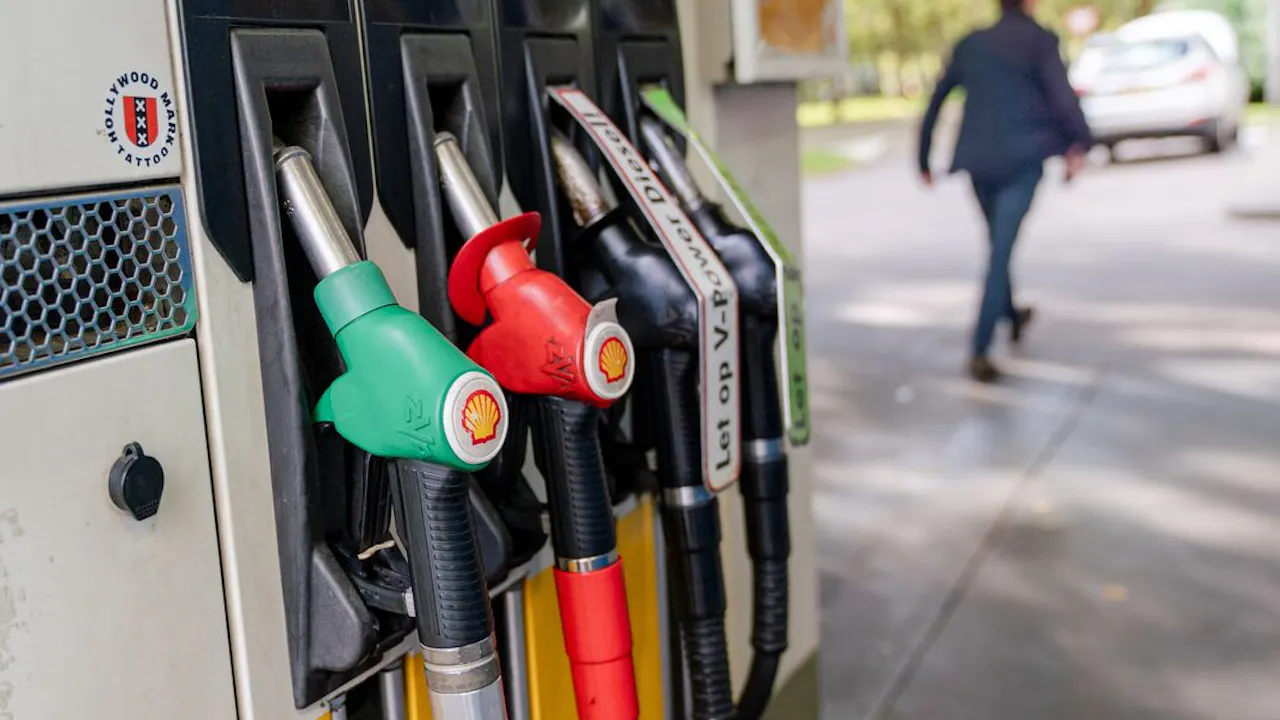
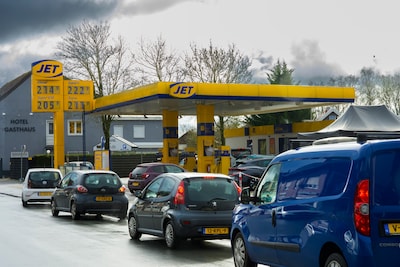
The Dutch advisory price for a liter of gasoline remained virtually unchanged at 2.703 euros on Wednesday, while diesel stayed at 2.804 euros per liter. Consequently, pump prices remain persistently high.
A significant number of young workers aged 18 to 34 are using financial stopgaps such as credit cards, bank overdrafts, and buy-now-pay-later services to survive until the end of the month. These measures are employed to bridge financial gaps and manage monthly expenses.
The impact of soaring fuel prices is becoming increasingly evident through transaction data obtained by the FD. Consumers are adapting their refueling habits by purchasing fewer liters per trip and frequently comparing prices to find cheaper pumps. This shift in behavior underscores the growing financial pressure on drivers due to elevated fuel costs across the market.
This autumn features multiple charity fundraisers combining art and music, including a gala auctioning Streetart Frankey’s work and War Child concerts by artists like Typhoon and Rondé. These events highlight the long-standing tradition of using art for good causes. Organizers note that many artists are intrinsically motivated and deeply concerned with global issues, driving their participation in these charitable efforts.
Financial planner Nihal Vogels and lawyer Theo Gommer advise giving away assets while alive to reduce inheritance tax and care costs. By lowering one's net worth before death, individuals can minimize the taxable estate, which benefits heirs through annual exemptions of 6,908 euros for children in 2026 and a one-time exemption of 33,129 euros for those aged 18 to 40. Gifting also reduces the personal contribution required for long-term nursing home care. Options include direct gifting, notarial paper gifts where funds remain with the donor but accrue interest, or utilizing specific exemptions for housing purchases. This strategy allows donors to witness their contributions positively impact their families' lives, such as funding renovations or studies, while legally optimizing financial outcomes.
The Ministry of Social Affairs and Employment and Geldfit launched the 'Do Not Leave Money on the Table' campaign to help low-income workers access financial support they are entitled to but often miss. Minister Vijlbrief aims to reduce financial stress among nearly 600,000 workers living near or below the poverty line by directing them to tools like the potjes-check to identify available allowances and local regulations.
The European Commission has proposed adding a two-euro surcharge to the existing three-euro parcel tax, bringing the total to five euros per item for shipments from outside the EU. This measure aims to cover increased customs costs and discourage cheap imports from platforms like Temu and Shein to protect European manufacturers. The proposal must be approved by the European Parliament and Council within one month without amendments and is expected to take effect in early November. Since July, the current three-euro fee has reduced non-EU imports by 60 percent while generating 35 million euros in additional revenue for Dutch customs.
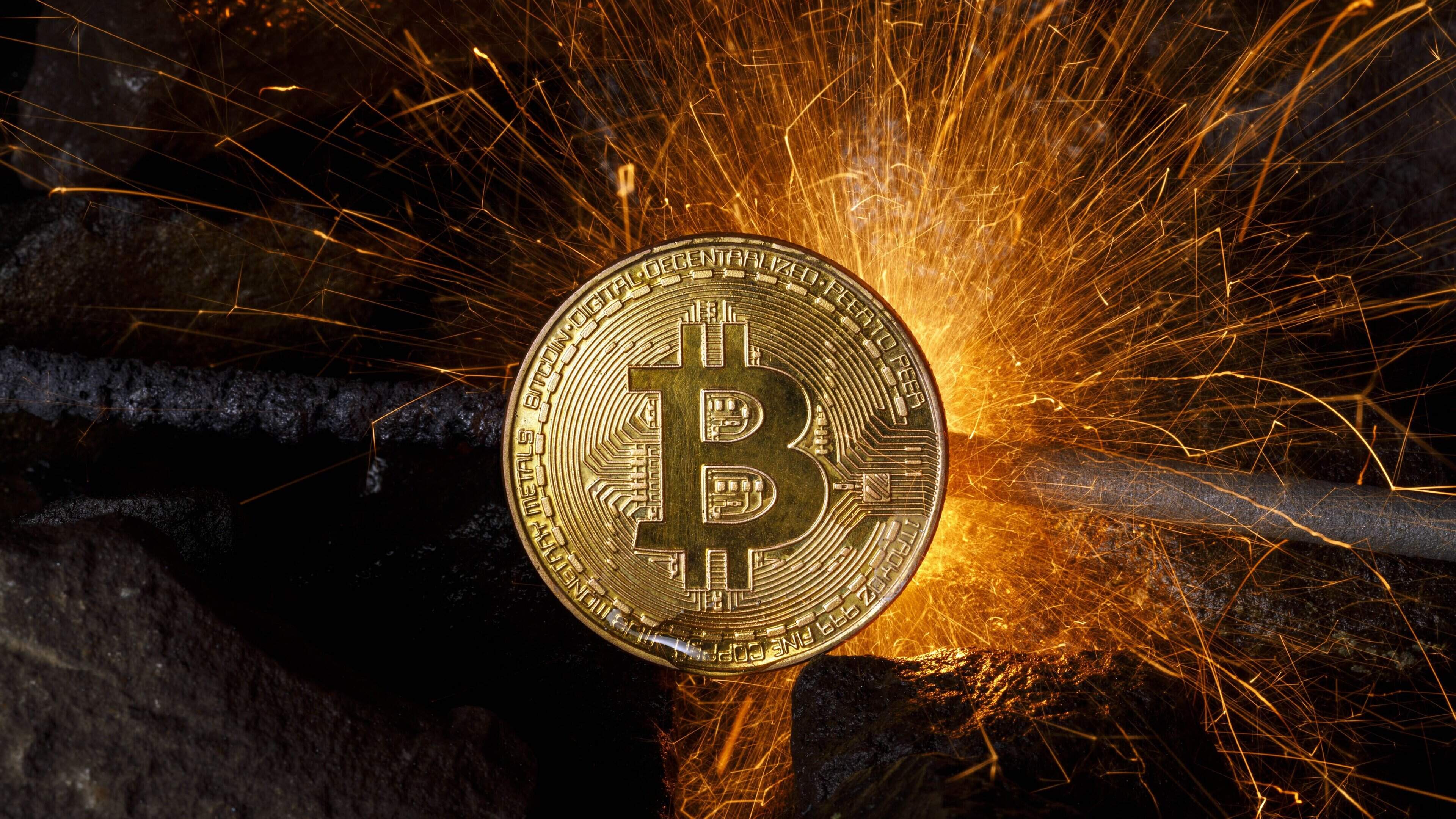
Bitcoin has pulled back on Tuesday following a strong rally that saw it reach its highest level since January. This pause comes after recent positive developments in the cryptocurrency market, signaling a return of interest in digital currencies.
Eva (32) and Thomas (36) spent 430 euros within two days of receiving their salary, leading to financial stress when their balance dropped significantly. Initially feeling secure with over 4,000 euros in their account, they realized that high spending left them unable to cover upcoming bills or leisure activities. To resolve this cycle of anxiety, they now separate fixed costs and essential expenses immediately, determining their actual disposable income rather than relying on their total bank balance.
Germany will implement a fuel discount starting October 1, reducing the tax on every liter of fuel by 14 cents, which results in an estimated price drop of 17 cents per liter. This measure, valid until the end of the year, aims to alleviate financial pressure on drivers as high fuel costs strain household budgets. Finance Minister Lars Klingbeil also announced plans for a price ceiling on fuel by January 1, 2027, modeled after systems in Belgium and Luxembourg, to limit prices and return profits from large oil companies to citizens. The renewed price difference is expected to negatively impact gas station owners in the Dutch border region, who previously saw reduced cross-border shopping incentives.
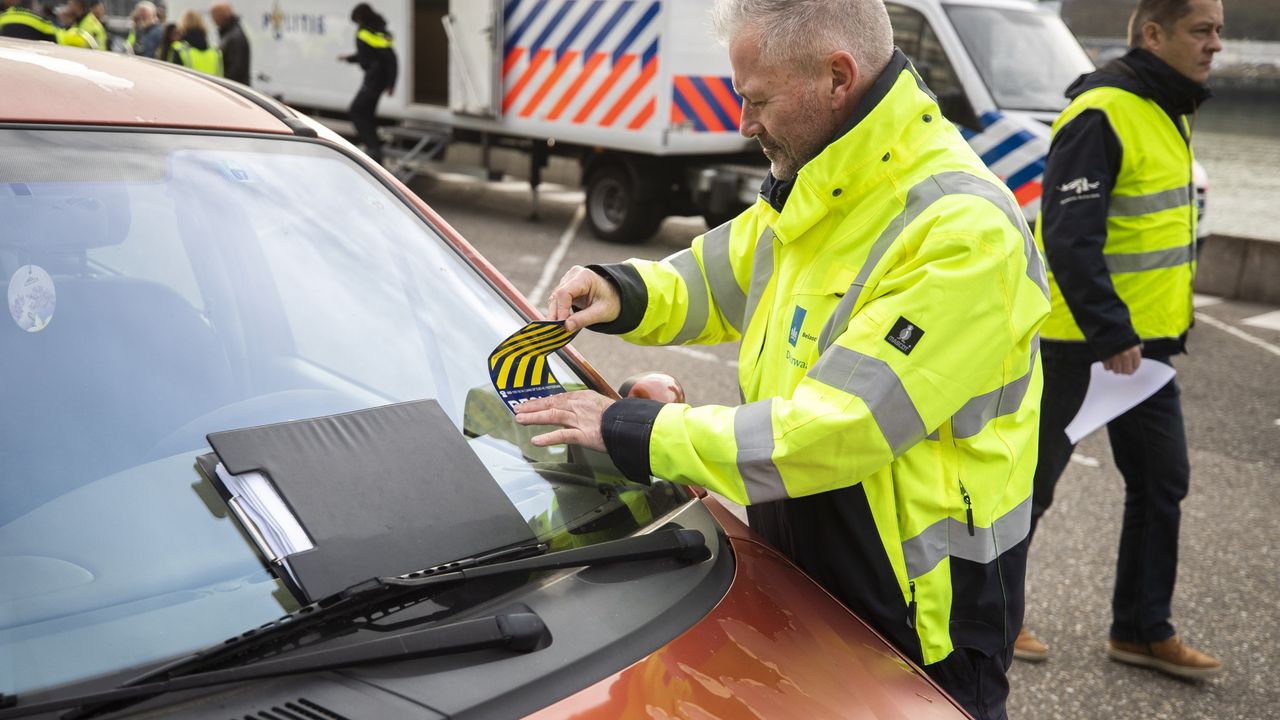
During enforcement actions in The Hague, authorities collected over 190,000 euros in unpaid motor vehicle tax, with one offender paying 100,000 euros immediately. The operation also involved vehicle seizures, fines for traffic violations, drug arrests, and checks on parking, scooters, trams, and businesses for issues including forced labor and benefit fraud.
Juanita Weijsenborn and Joey Kikkert share their financial life as a couple living in Hoogeveen with their daughter Sophie. Joey, an operator in a cheese factory working a five-shift rotation, has his schedule known years in advance, allowing them to plan childcare without external help. The couple manages a net income between €4,500 and €6,000 monthly, spending approximately €1,200 on rent and utilities. They balance differing views on money by saving for the future and enjoying holidays in Croatia, while managing expenses like streaming services and baby supplies.
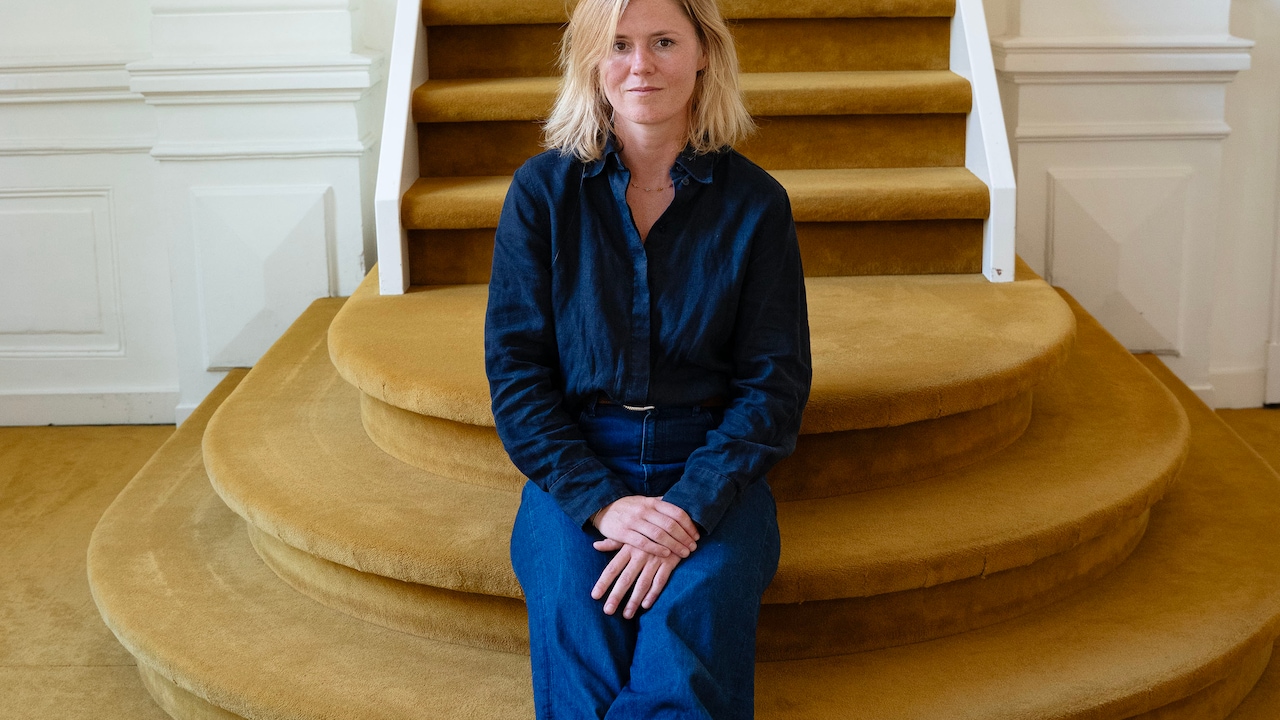
Milou Brand released her book 'Zwemmen in het geld' (Swimming in Money) on September 22, offering an investing guide for beginners. Her primary goal is not rapid wealth accumulation but ensuring readers do not become poorer through informed financial decisions. The guide emphasizes that investing is accessible and straightforward for those willing to learn basic principles.