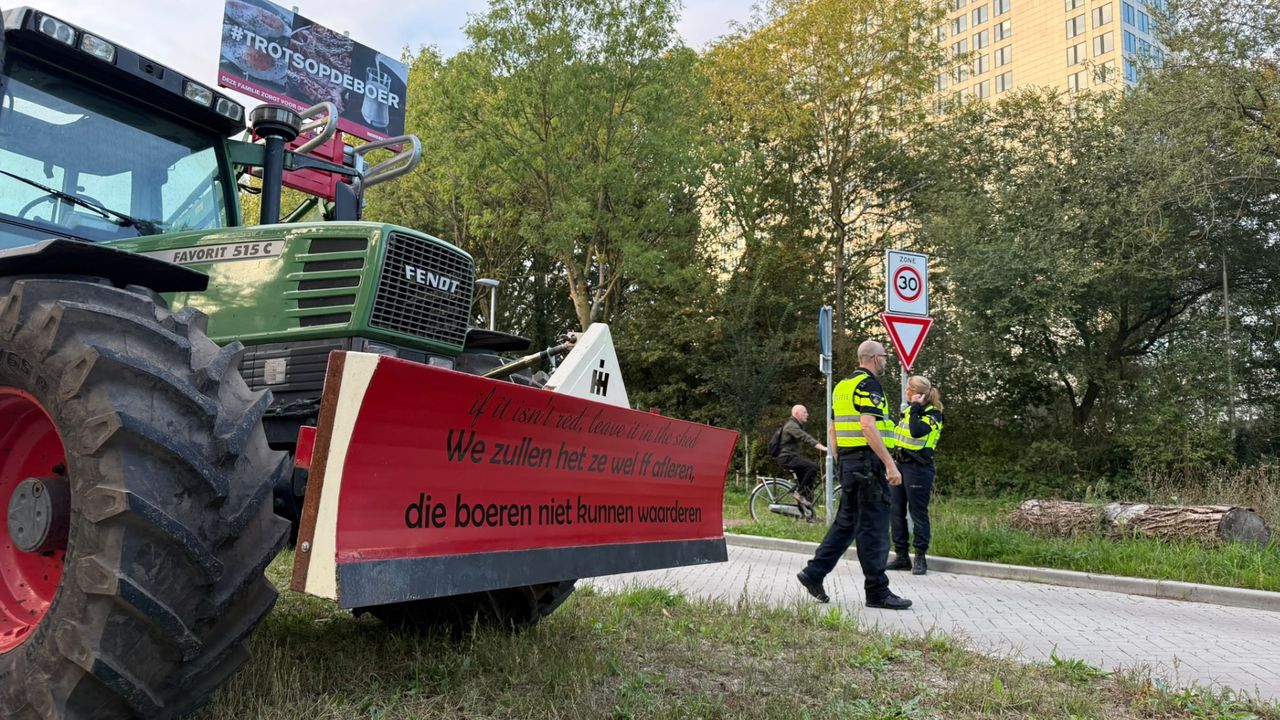
Farmers and stakeholders expressed deep frustration at a provincial consultation regarding nitrogen plans, citing that over half of their questions remained unanswered. Speakers criticized the process for damaging trust and ignoring concerns about buffer zones and economic impacts. The event highlighted significant discontent among agricultural groups regarding the implementation of the Utrecht Rural Area Program.
Farmers in the Mexican state of Querétaro are struggling with severe drought and crop failures, while the region simultaneously attracts massive investment from American tech giants like Amazon, Microsoft, Google, and Oracle. Over 70 percent of Mexico’s operational datacenters are located in Querétaro, earning it the nickname “Mexico’s Silicon Valley.” Adriana Rivera, chair of the Mexican Datacenter Association (MEXDC), defends the industry by claiming water usage is minimal due to closed-loop cooling systems, dismissing local concerns as unfounded. Despite this, farmers report that prolonged dryness has destroyed their harvests, forcing them to sell livestock. The government and industry leaders highlight the economic benefits, noting that datacenter-related exports to the US reached nearly $83 billion in the first half of the year, contributing to a record total export value of $390 billion for Mexico.
Harold van Waveren, chairman of the national drought crisis team, stated that a wet autumn and winter are essential to prepare for the next dry season, noting that groundwater recovery will take months. Top civil servant Liz van Duin admitted that the Ministry of Infrastructure and Water Management did not fully anticipate such low river levels occurring on this timeline, although they were projected for later. River flows are currently decreasing further, with normal levels expected only after weeks or months. Consequently, one-way traffic may be implemented on the IJssel river, forcing some inland shipping vessels to detour hundreds of kilometers.
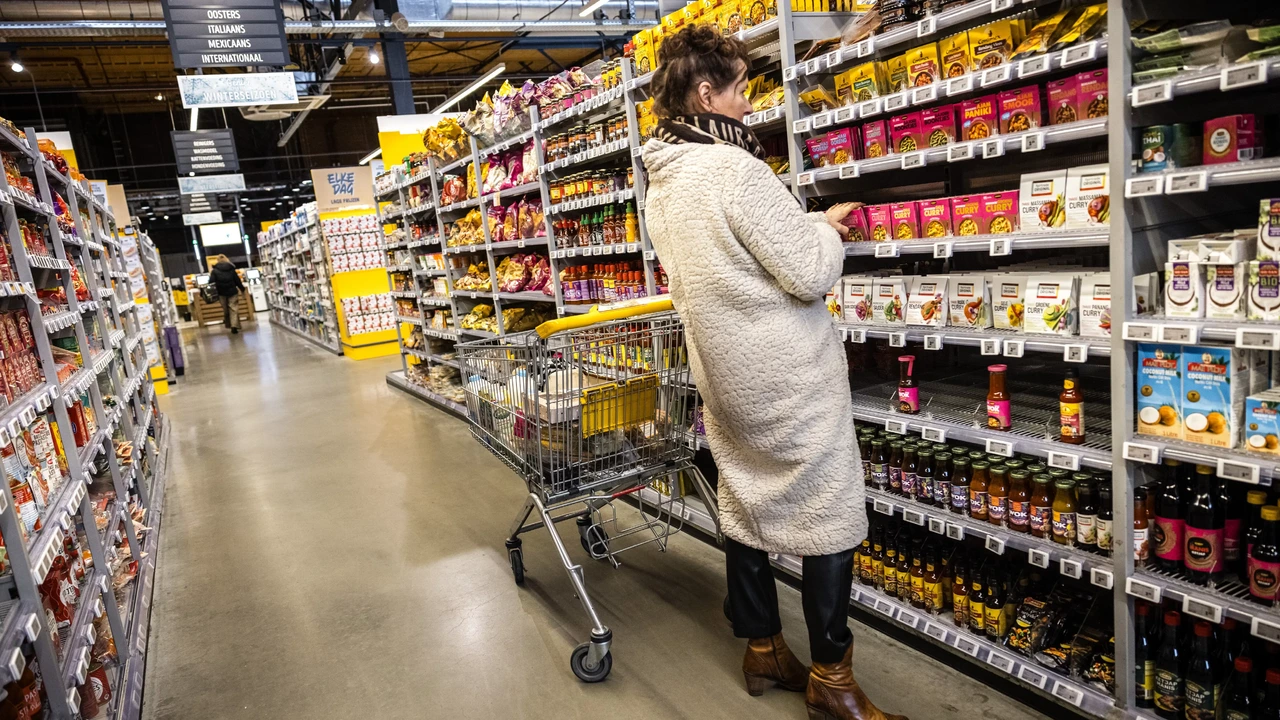
Dutch State Secretary Silvio Erkens of Agriculture, Fisheries, Food Security and Nature has rejected researchers' calls to advise citizens to maintain an eight-day food supply, maintaining the current recommendation of a three-day emergency stockpile. Citing difficulties for those in small apartments and low public compliance with existing guidelines, Erkens indicated that responsibility for supplies beyond three days may shift to supermarkets and distribution centers. The debate highlighted concerns over food security risks from drought, the war in Ukraine, and supply chain disruptions, with researchers noting vulnerabilities in vegetable oils, fertilizers, and animal feed. While parties disagreed on long-term strategies involving plant-based versus animal protein production, Erkens emphasized that self-sufficiency is an illusion but risk diversification is essential, aiming for a strong agricultural nation capable of securing food safety through exports within five to ten years.
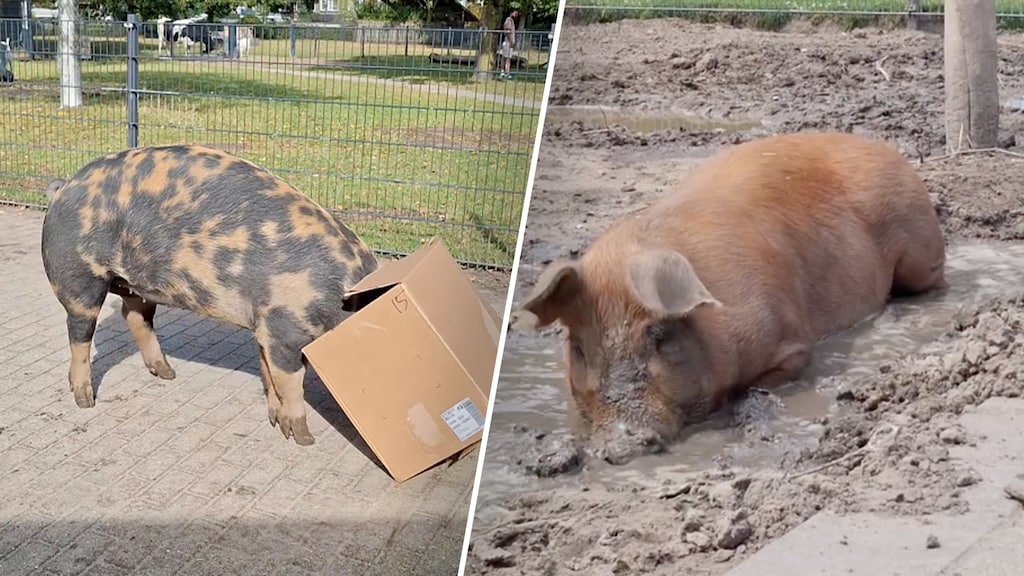
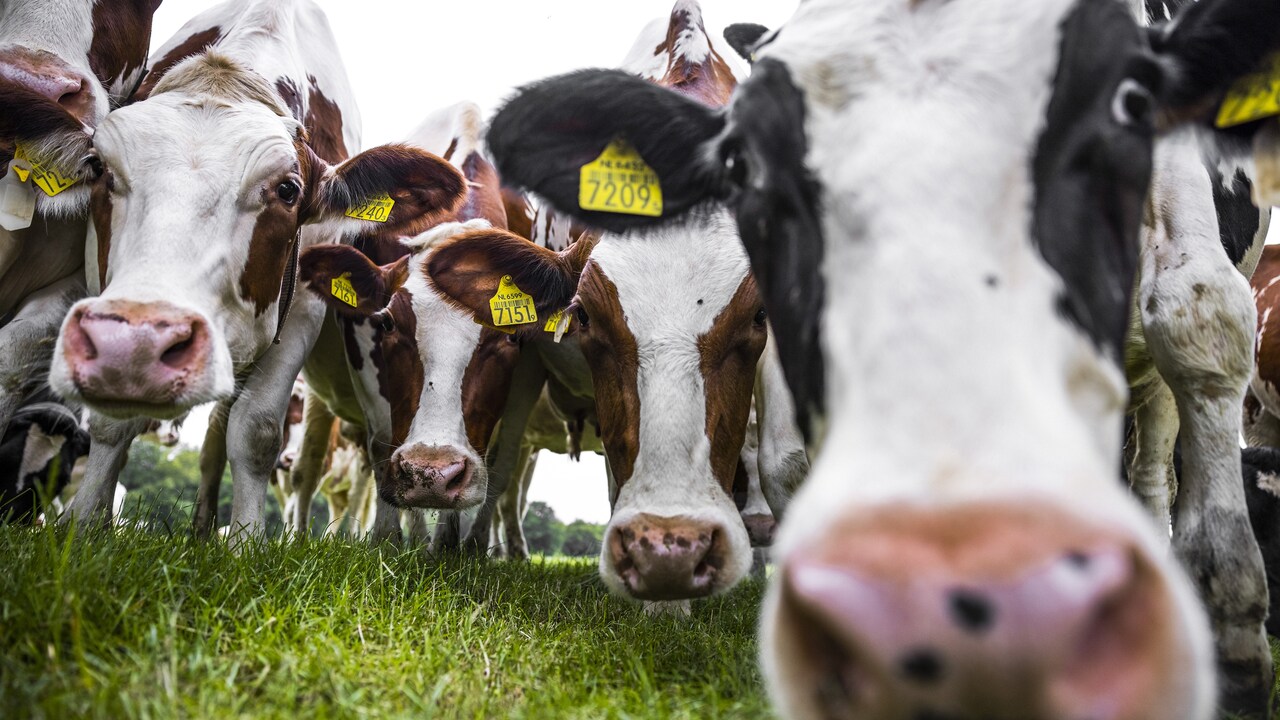
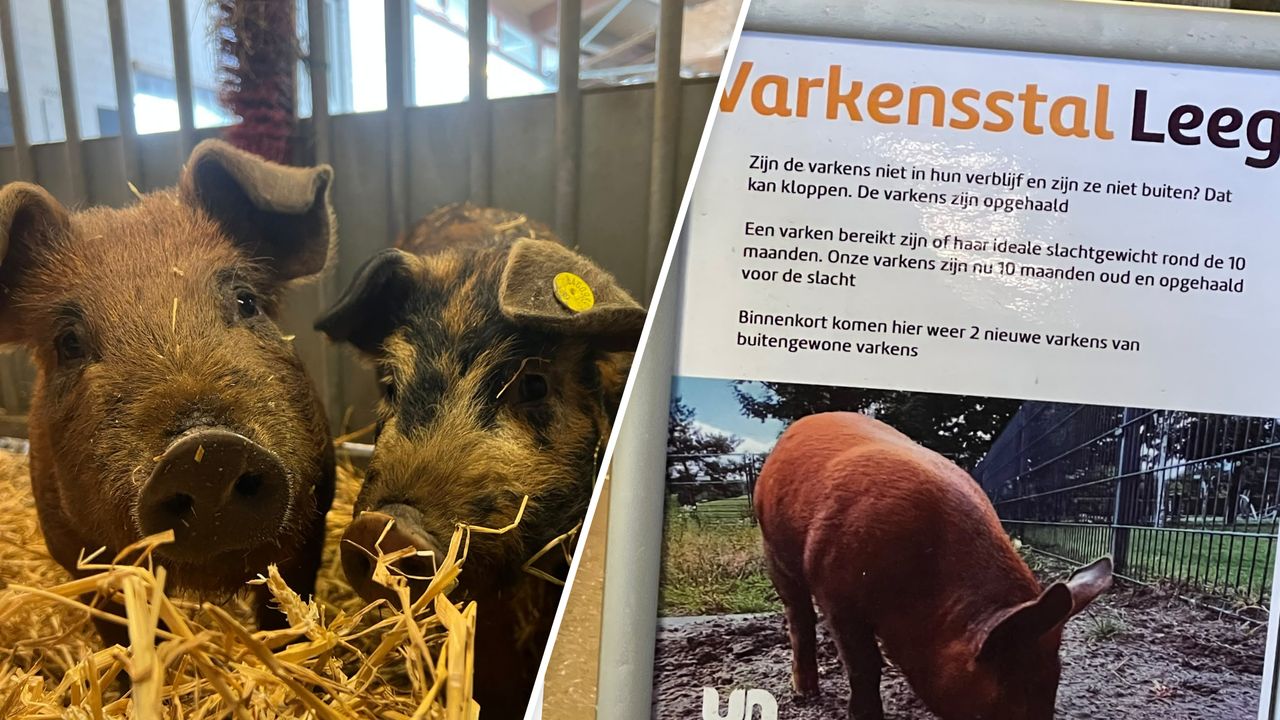
Rob van Heist launched a petition to prevent the slaughter of ten-month-old pigs Vos and Haas at Utrecht children's farms, arguing that animals should not be killed to teach children where meat comes from. While Wageningen University consumption psychologist Hans Dagevos noted the educational value of transparency, he acknowledged the pigs live better lives than industrial counterparts. Utrecht Natuurlijk defended the practice, stating these pigs cannot live healthily beyond ten months due to breeding and that the process educates visitors about food choices. Wakker Dier called the slaughter sad but emphasized advocating for industrial farm animals. The petition aims to be presented to the Utrecht alderman for Animal Welfare on October 4, coinciding with Animals Day.
Marijn van der Pas, Patty Scholten, and Elleke Draaisma argue that the intensive livestock industry undermines food security due to its reliance on imported feed and fossil-fuel-based fertilizers. They contend that this model is inefficient, contributes significantly to climate change, and leaves the Netherlands vulnerable to global trade disruptions and geopolitical conflicts. The authors advocate for a shift toward agro-ecological farming and plant-based diets to create a more resilient and efficient food system.
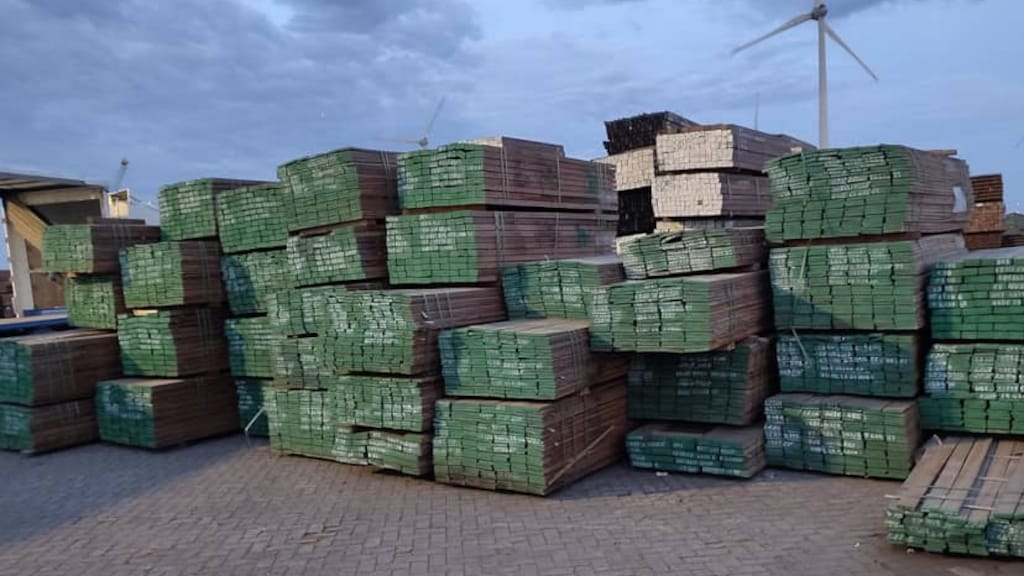
The Dutch Food and Product Safety Authority (NVWA) seized 375 tons of illegally sourced azobe wood imported from Gabon after the importer failed to prove legal logging. The NVWA's special illegal timber team, assisted by police, searched two business premises and a residence in the northern Netherlands, while Belgian customs intercepted two additional shipments at the port of Antwerp. The company owner was arrested in May and released after questioning. The NVWA highlighted that illegal logging contributes to deforestation, habitat loss, and climate change.
The port of Odesa has come to a standstill after Russia bombed dozens of ships, preventing the export of the critical Ukrainian grain harvest. Oleksandr Sloetsky, a port official, described the situation as a spiral of violence. The disruption to exports raises concerns about potential hunger impacts in Africa due to the halted shipments.
Laura van Baars references Denmark’s pig elections to highlight the urgent need for debate on animal welfare. Readers agree that prioritizing animal rights and discussing food supply and fair farmer incomes are necessary, even without imminent elections.
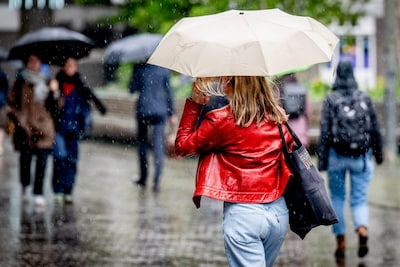
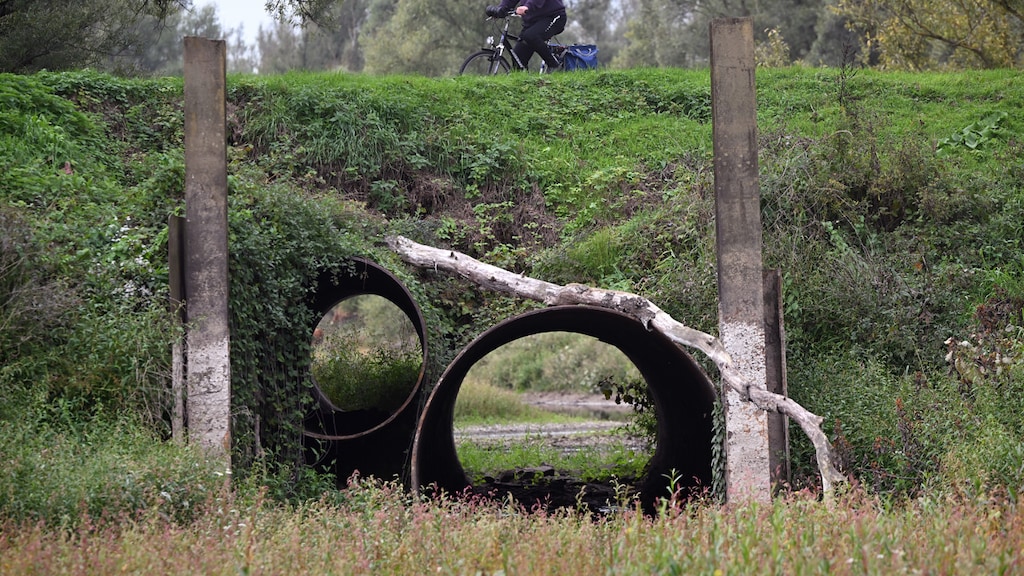
Despite recent rainfall, drought conditions persist in the Netherlands due to exceptionally low water levels in the Rhine and Meuse rivers. Rijkswaterstaat warns of restricted navigation depths and longer lock wait times for commercial shipping. Meteorologists note that precipitation was concentrated in coastal areas, leaving eastern regions significantly drier than normal, which continues to impact agriculture and nature reserves.
Five children's farms in Utrecht are sending pigs to slaughter at eight months old, sparking debate between organizer Rob van Heijst and the managing foundation Utrecht Natuurlijk. Van Heijst launched a petition arguing this normalizes killing animals for children, while the foundation claims the practice raises awareness about meat production and offers a more humane alternative to intensive farming by allowing pigs to live outdoors with sustainable feed.
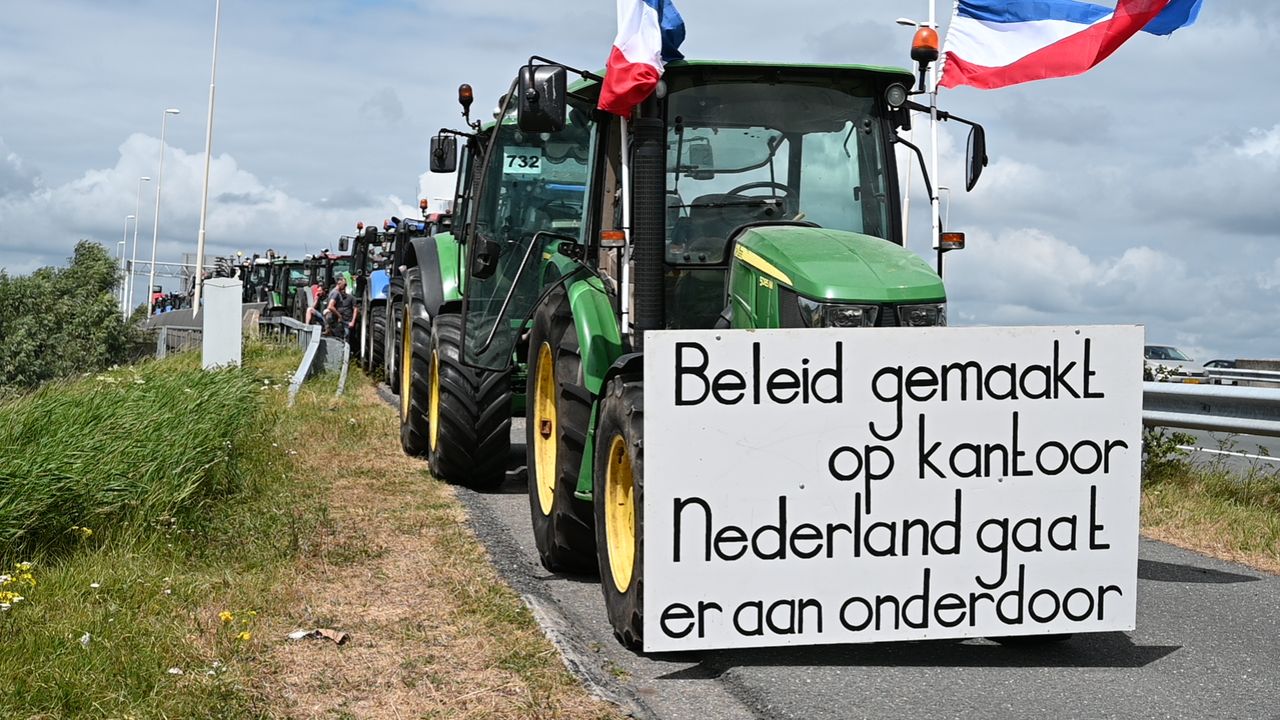
The province of North Brabant has delayed a decision to revoke the permits of five poultry farmers, following large-scale protests by farmers in Den Bosch. The farmers had been informed during the summer that their licenses were at risk of being withdrawn.
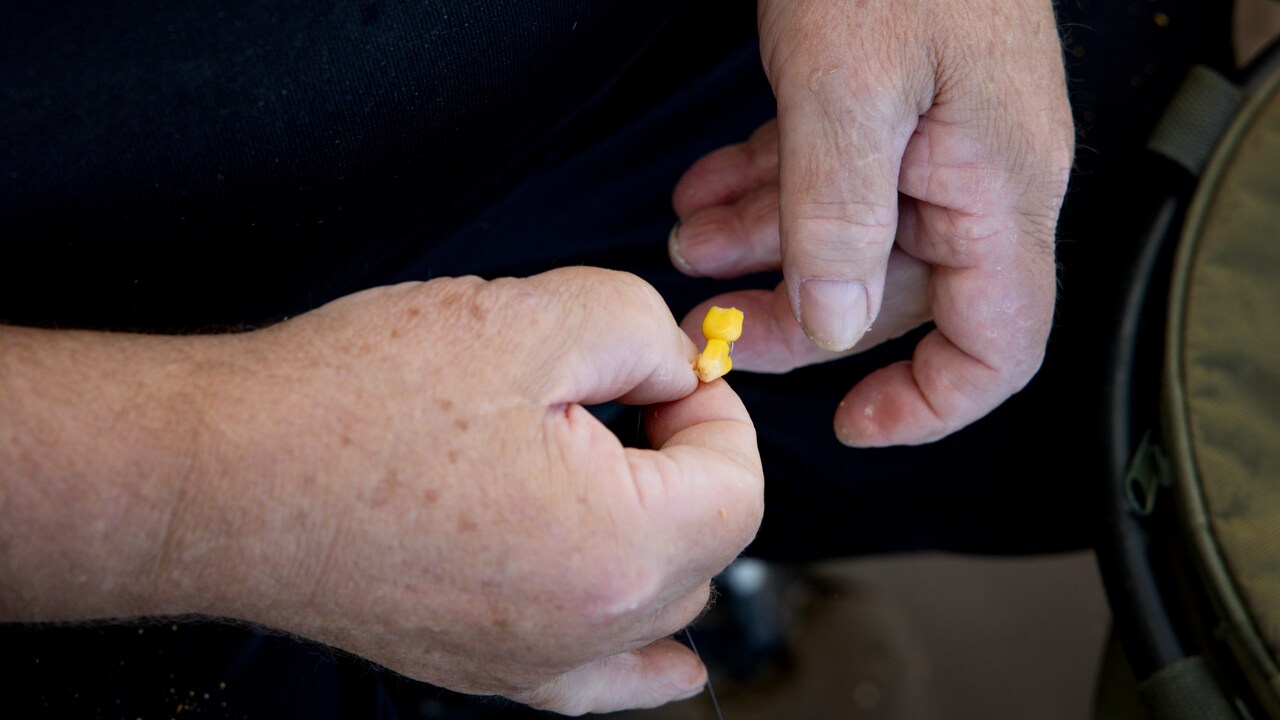
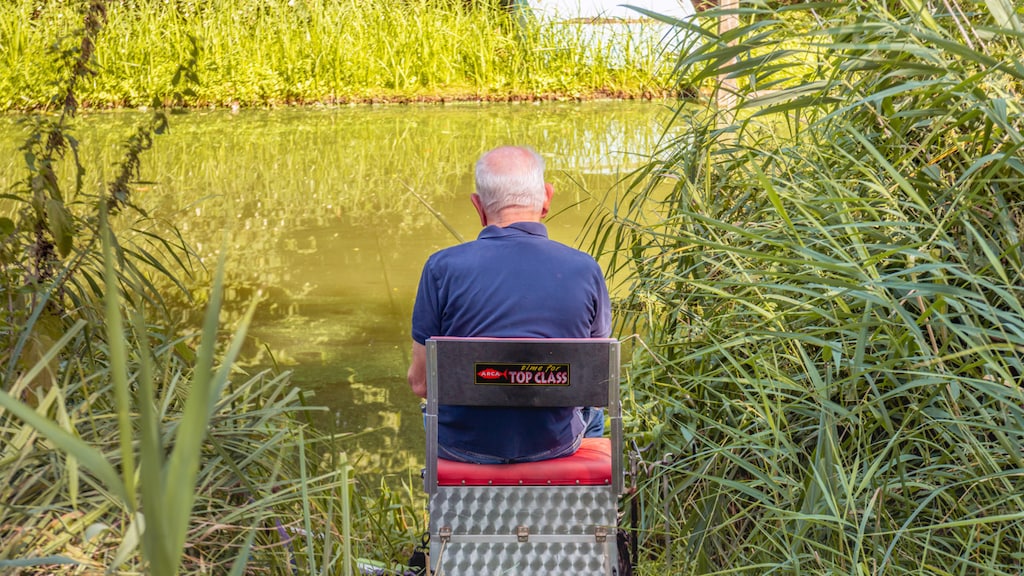
The Dutch House of Representatives voted against banning barb hooks used in angling, relieving the fishing sector. A majority of MPs rejected the proposal to prohibit the widely used equipment from fishermen's tackle boxes, ensuring that current regulations regarding barb hooks will remain in place.
The Dutch House of Representatives voted against a proposal by the Party for the Animals to ban barbed hooks in angling, rejecting the amendment to the Fisheries Act. State Secretary Erkens advised against the ban, citing disproportionate consequences for the fishing industry and insufficient justification, despite arguments from animal welfare advocates regarding unnecessary animal suffering.
Asaja, COAG, UPA, Unión de Uniones and Agri-food Cooperatives are urging the government for direct aid over soaring farm diesel and fertiliser costs from the war in Iran, and have already warned of protests if no action is taken.
Asaja, COAG, UPA, Unión de Uniones and the agri-food cooperatives are urging the government for direct aid over soaring farm diesel and fertiliser prices caused by the war in Iran, warning protests will go ahead if no action is taken.
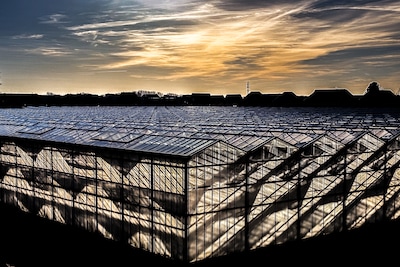
CDA provincial list leaders Michiel Dijkman, Ronnie Buiks, Dennis Heijnen, and Ruth Engels argue that Dutch greenhouse horticulture serves as a vital buffer against food shortages caused by drought, war, or trade conflicts. They urge the government to recognize the sector as strategic, accelerate permits for geothermal energy, and support long-term contracts to maintain domestic production capacity.
The municipalities of Leusden, Renswoude, Rhenen, and Woudenberg have raised concerns regarding the feasibility of Utrecht Province's nitrogen plans for rural areas. In a joint letter to the Provincial Council, they warned that the plans increase uncertainty among farmers and erode trust in government. The municipalities argue that the current implementation of the Utrecht Program for Rural Areas (UPLG) offers insufficient perspective for the agricultural sector due to unclear financial viability, legal justification, and available resources. They urge the province to demonstrate financial feasibility before imposing obligations on farmers and to work closely with stakeholders to regain support, stating that without this foundation, plans risk being unimplementable.
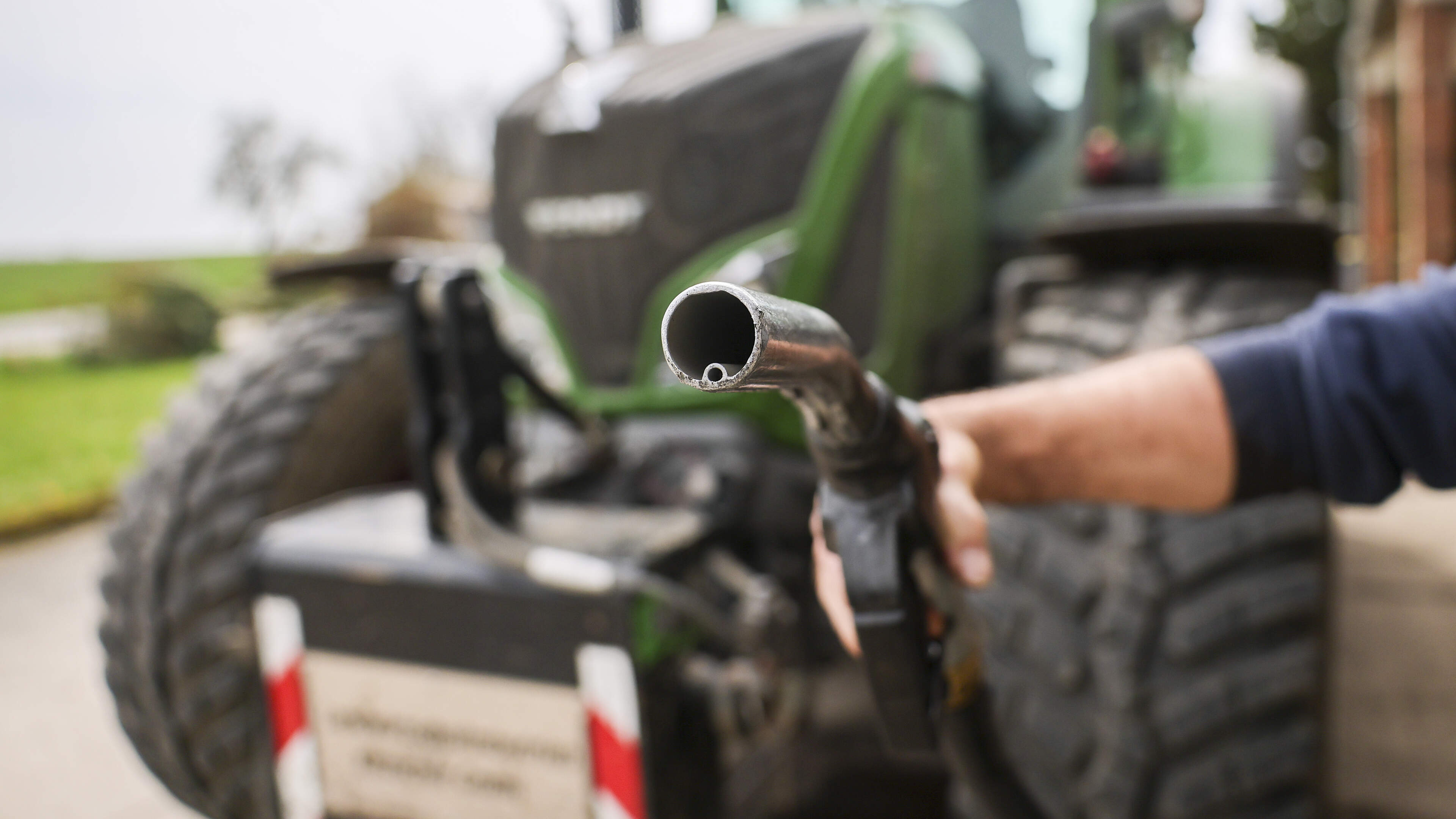
Transporters, farmers, construction companies and business traffic are being hit harder financially as the diesel shortage intensifies. Saudi oil giant Aramco, under pressure from Iran, is reportedly seeking diesel supplies within Europe itself.
The author describes a severe drought in Burgundy that has turned pastures into sandy wastelands, forcing farmers to feed their cattle with limited hay reserves. Trees are dying and forests may thin out, raising concerns about long-term climate impacts on agriculture and human survival. Reflecting on climate journalist Paul Luttikhuis’s assessment, the writer acknowledges personal efforts like buying an electric car and using solar panels but questions their individual impact. Despite the bleak outlook, the author advocates for collective action and resilience, urging people not to give up hope or succumb to despair amidst broader societal and environmental crises.
/s3/static.nrc.nl/wp-content/uploads/2026/09/22170603/230926ECO_2036683056_data3.jpg)


:format(jpeg):fill(f8f8f8,true)/s3/static.nrc.nl/taxonomy/cd714fc-Vos%2520Marjoleine%2520de%25202023%2520%255BDoomernik%25202319%255D%25201280.png)