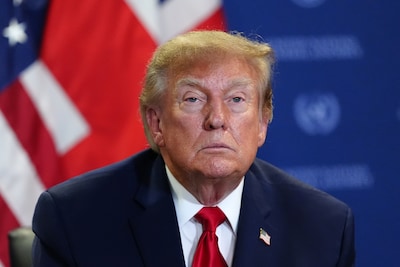
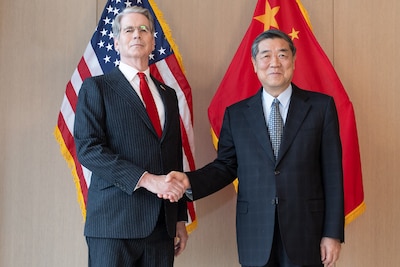
US Treasury Secretary Scott Bessent announced that the United States and China have agreed to extend their trade war truce by two months until January 10. While both nations continue negotiations for a broader trade agreement, Bessent noted uncertainty regarding a larger deal before the deadline and highlighted that China is lagging on commitments to purchase American agricultural products. Concurrently, reports indicate the Trump administration is considering a 90-day ban on diesel exports to lower energy prices ahead of November elections, though this plan faces internal opposition from officials who warn it could backfire.
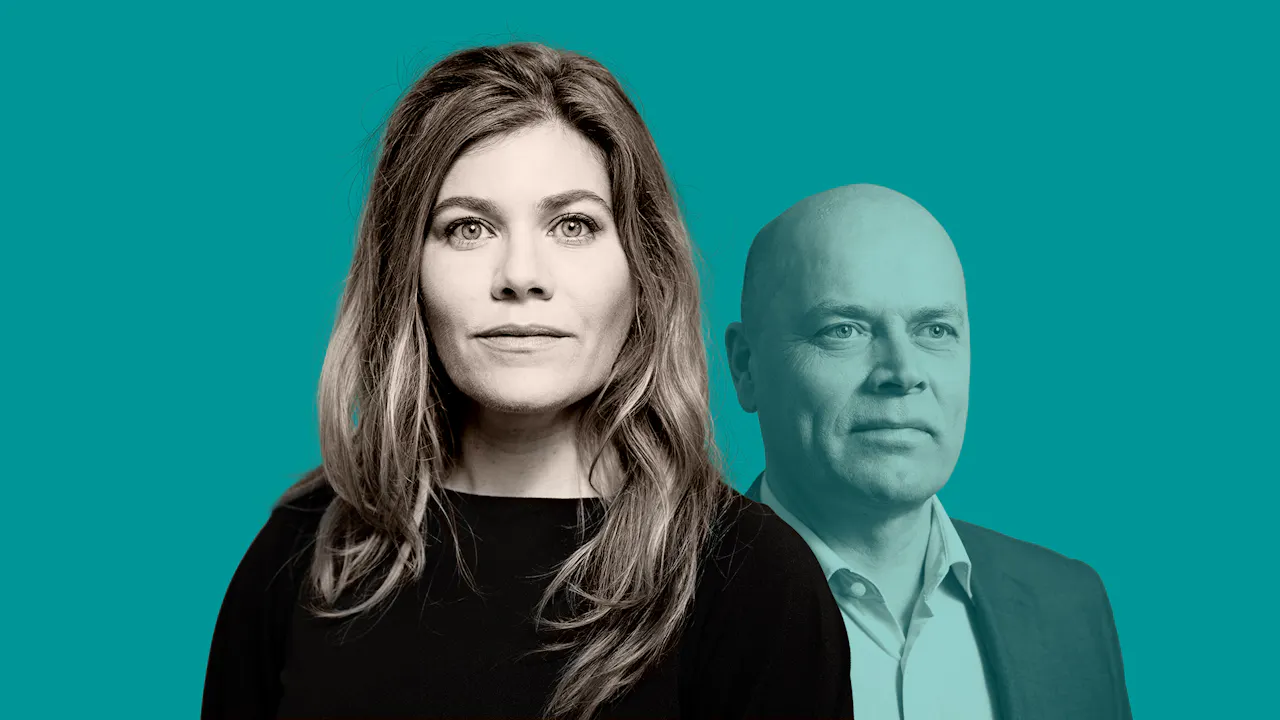
Podcast hosts Maarten Stellinga and Marike Schinkel discuss rising global debt and interest rates, noting that US interest payments may soon exceed military spending. They analyze the causes of rate hikes, including inflation and borrowing habits, while examining political strategies to manage these costs.
The Dutch pension fund ABP announced a €1 billion investment in European venture capital funds, with an initial €250 million allocated to the Scaleup Europe Fund, responding to calls for increased support of European startups. Additionally, President Trump expressed support for a ban on US diesel exports to help lower fuel prices, while reports indicate that AI tools are making cryptocurrency hacking significantly easier, leading to a record number of hacks in the sector over the past six months.
Following reports by Mario Draghi and Peter Wennink on Europe's earning potential, governments are looking to Dutch pension fund capital. ABP has now stepped forward to contribute €1 billion to European venture capital.
Housing provider Vesteda is attempting to prevent a mass redemption that threatened earlier this year by making a new effort to modify its bond terms. The company faced significant pressure when investors demanded their investments back from the housing fund at the start of the year.
Azerbaijan granted a pardon to French national Martin Ryan, who was sentenced to ten years for espionage, following pressure from France and Luxembourg to remove two Russian oligarchs from EU sanctions lists. The European Union removed Uzbek-Russian businessman Alisher Usmanov and Russian banker Mikhail Fridman from the list, actions that sparked anger among other EU member states. Frankrijk had sought Usmanov's removal to secure the release of French citizens held in Azerbaijan, while Luxembourg wanted Fridman removed due to financial losses at Alfa-Bank. Ukrainian President Zelensky criticized the move as Russian interference and pledged to re-list the names. France described Ryan's release as a humanitarian gesture, while Azerbaijan denied exerting pressure, calling the sanctions unjust.
Investors remained cautious on Wednesday due to rising oil prices and US Treasury yields hitting a 19-year high, causing Wall Street markets to close in the red. The Nasdaq stepped back significantly after Tuesday's record, while Amsterdam's AEX index closed 0.3 percent lower at 1107.9 points.
Maternity care workers in the Netherlands are taking legal action to classify eight-hour on-call shifts as paid working time, arguing that current compensation of approximately 12 euros is far below minimum wage. Supported by Bureau Clara Wichmann and unions like FNV and CNV, the plaintiffs contend that the requirement to be immediately available restricts their personal lives and constitutes invisible labor. Although the collective agreement does not recognize this time as work, lawyers argue it must be compensated under EU law. The case aims to pressure the government to increase funding for maternity care, which faces severe staff shortages and budget constraints.
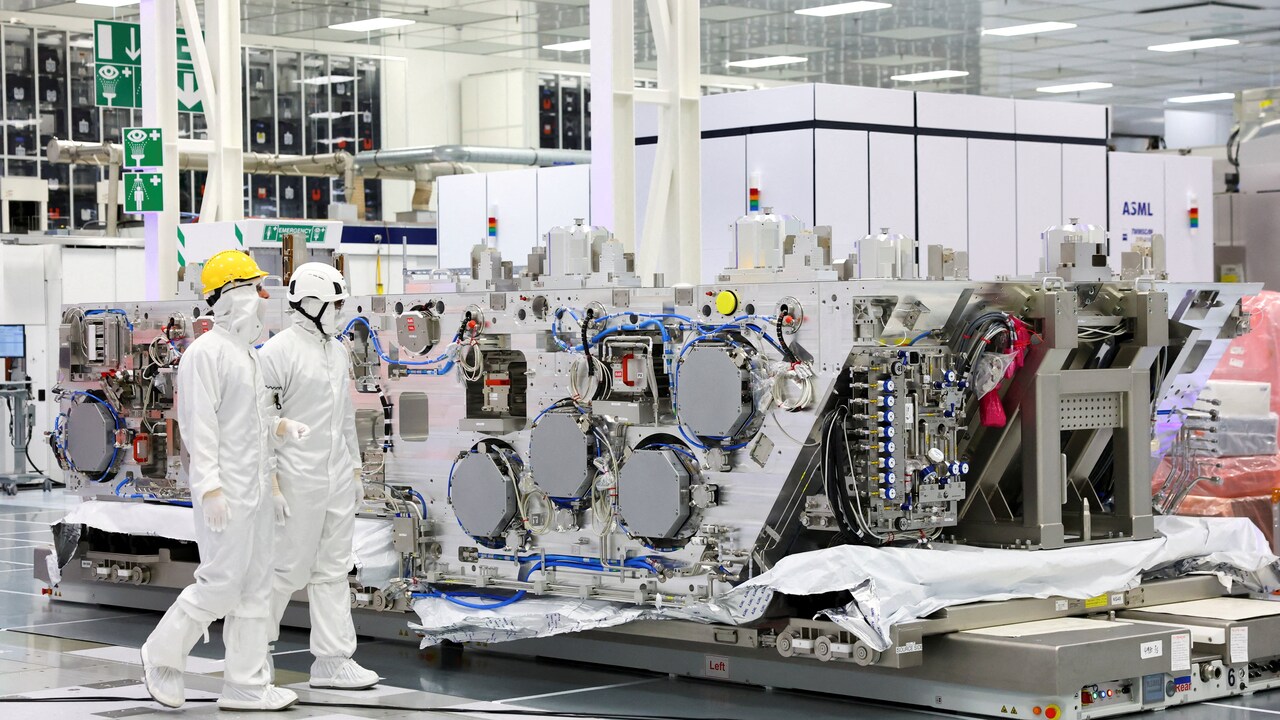
Huawei is leading China’s push for technological independence in artificial intelligence by developing its own chips and systems amid US export restrictions. The company opened a massive new research campus in Shanghai, employing 30,000 technicians to design alternatives to Nvidia’s hardware. As US-China trade tensions rise, with both nations seeking to reduce mutual dependence, Huawei has shifted its focus to domestic sales, which now account for 70 percent of its revenue. Chinese developers are encouraged to use Huawei’s Ascend chips, even if they offer less power than Western counterparts, as Beijing aims to build a self-sufficient supply chain for critical technologies and AI models.
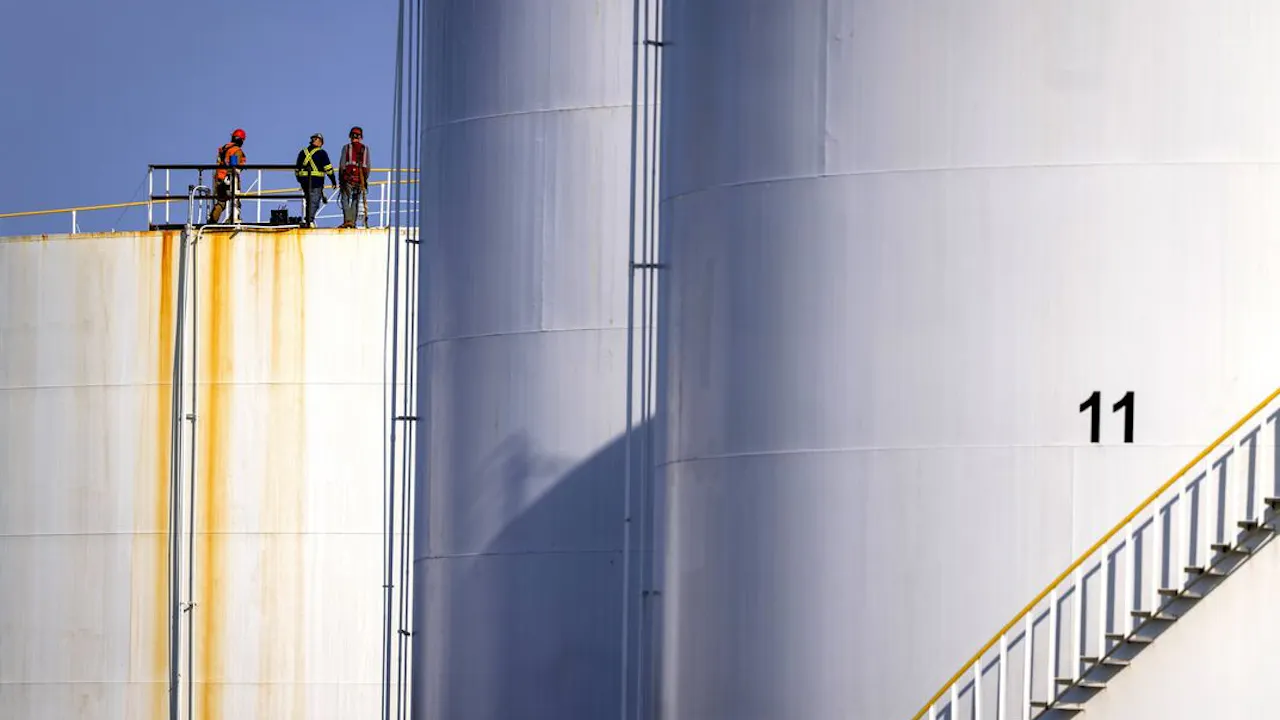
The US government is considering a 90-day ban on diesel exports to lower energy prices amid rising costs driven by the war with Iran and Ukrainian attacks on Russian refineries. While some Republican officials and cabinet members like Chris Wright, Scott Bessent, and Doug Burgum oppose the measure, sources indicate President Trump leans toward implementing it despite internal divisions. In other developments, at least six major US hospitals have agreed to stop providing gender-affirming care for youth, and Trump’s popularity has dropped to its lowest point in his political career. Additionally, Trump met personally with Venezuelan leader Delcy Rodríguez for the first time during the UN summit in New York. Meanwhile, his new 24/7 livestream channel 'Trump TV' has attracted significantly fewer viewers than expected, prompting major networks including CBS, ABC, NBC, and Fox to boycott White House coverage in solidarity with excluded media outlets.
President Trump is considering banning US diesel exports to lower domestic pump prices, posing a significant challenge for Europe which relies on over one million barrels per day from non-EU refineries. This potential ban leaves Europe vulnerable as previous suppliers like Russia and Saudi Arabia are no longer available sources.
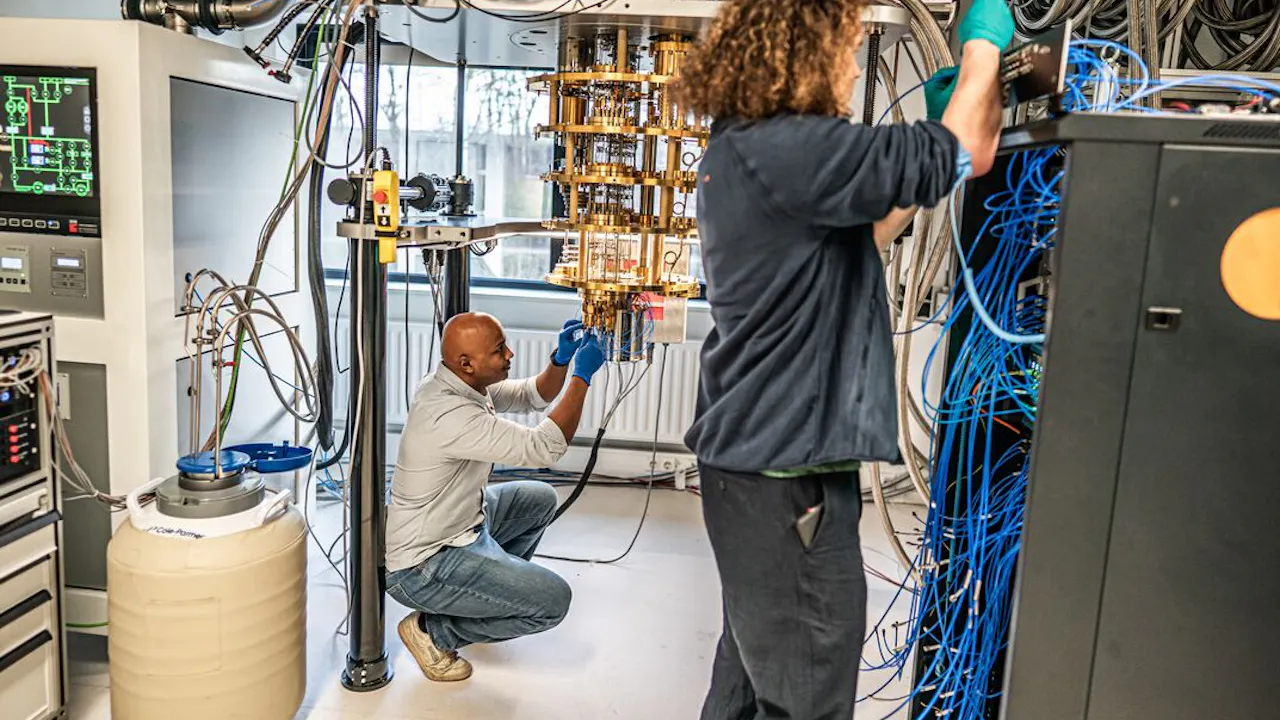
The Dutch government launched the Netherlands Agency for Disruptive Innovations (Nadi) with a five-year budget of 500 million euros to fund high-risk technological breakthroughs. Nadi has allocated 40 million euros for a competition, in partnership with Germany’s Sprind, to develop energy-efficient AI chips. The agency aims to accelerate innovation cycles from years to weeks across digitalization, security, energy, and healthcare sectors.
Engineering firm Arcadis has rejected takeover bids from Canadian competitor WSP, which offered between 48.50 and 51.50 euros per share before withdrawing its interest due to Arcadis's resistance. Arcadis CEO Heather Polinsky cited significant cultural differences, emphasizing long-term client relationships over pure profit, while employee protections via the Lovinklaan Foundation further blocked the acquisition. Although Arcadis shares fell six percent following the news, the board maintains that WSP’s offer was too low and plans to boost results through a new strategy. However, Joost Schmets of the Shareholders Association (VEB) criticized the board for ignoring potential benefits and argued that the current culture has not yielded successful financial outcomes.
Investor optimism regarding artificial intelligence has returned strongly following earlier caution this month, driving the Nasdaq-100 index to a new record high. The tech-heavy index benefited significantly from renewed buying interest in AI stocks, bolstered by strong earnings growth reports. Meta played a key role in reigniting investor appetite for technology shares, providing substantial support to the market as traders responded positively to the sector's robust financial performance.
Brussels intends to protect consumers from greenwashing through stricter regulations. However, small and medium-sized enterprises (SMEs), solo entrepreneurs, and small producers have not yet been granted similar regulatory relief or simplified compliance measures compared to larger corporations.
:format(jpeg):fill(f8f8f8,true)/s3/static.nrc.nl/taxonomy/9622f8f-Zo%2520simpel%2520is%2520het%2520niet_Nieuwsbrief_16x9.png)






/s3/static.nrc.nl/wp-content/uploads/2026/09/23154937/230926ECO_2036875693_Huawei05.jpg)