The population of endangered black rhinos in Botswana is recovering, aided significantly by three Dutch friends who established their own reserve. This initiative has helped improve the situation for the species after numbers had dwindled to just a few individuals.
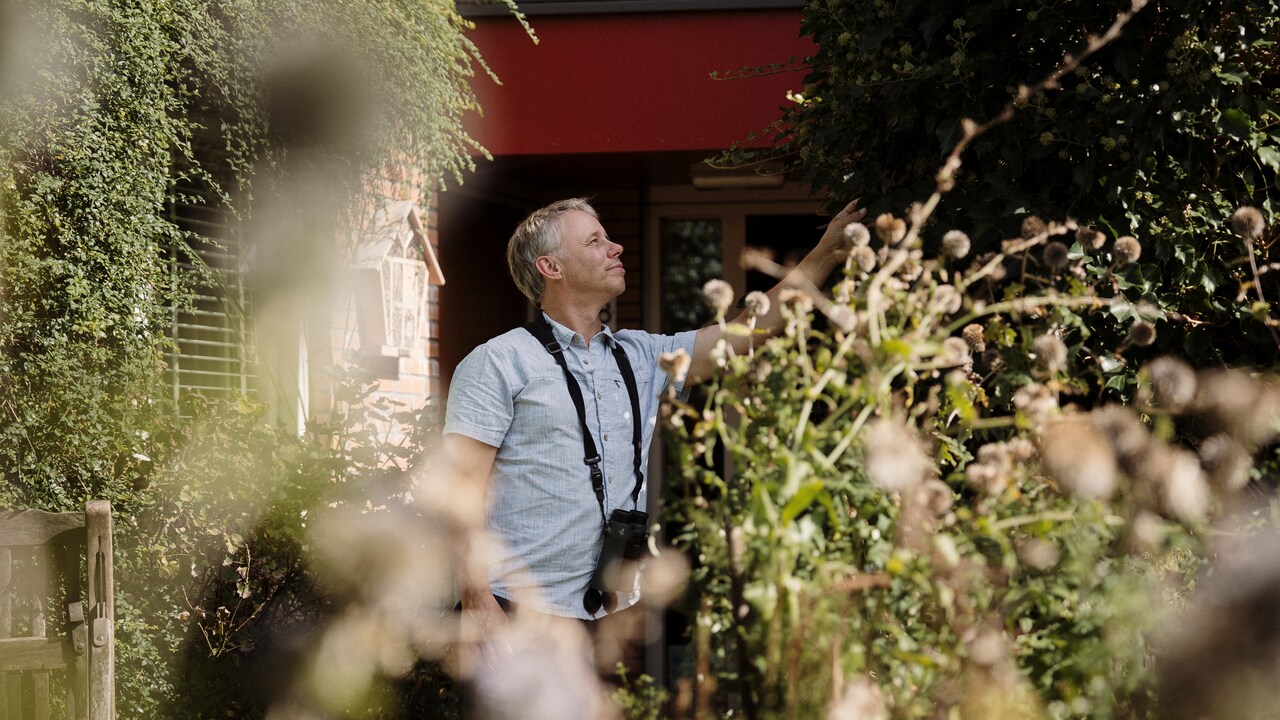
Writer Luc Hoogenstein and nature filmmaker Ignas van Schaick aim to introduce people to urban nature through their theater lecture Stadssafari, which starts this Thursday.
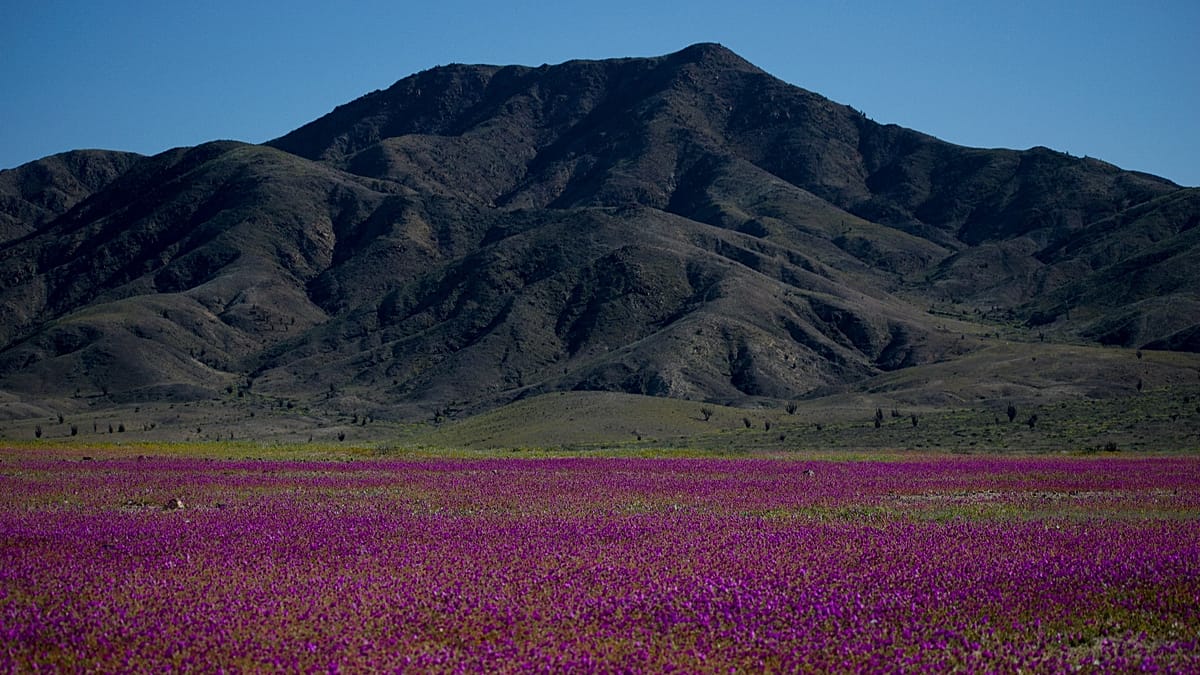
Exceptionally heavy El Niño rains have awakened millions of seeds lying dormant underground, blanketing vast swathes of one of the planet's driest regions with flowers.
Exceptionally heavy El Niño rains have awakened millions of seeds lying dormant underground, carpeting vast swathes of one of the planet's driest places with flowers.
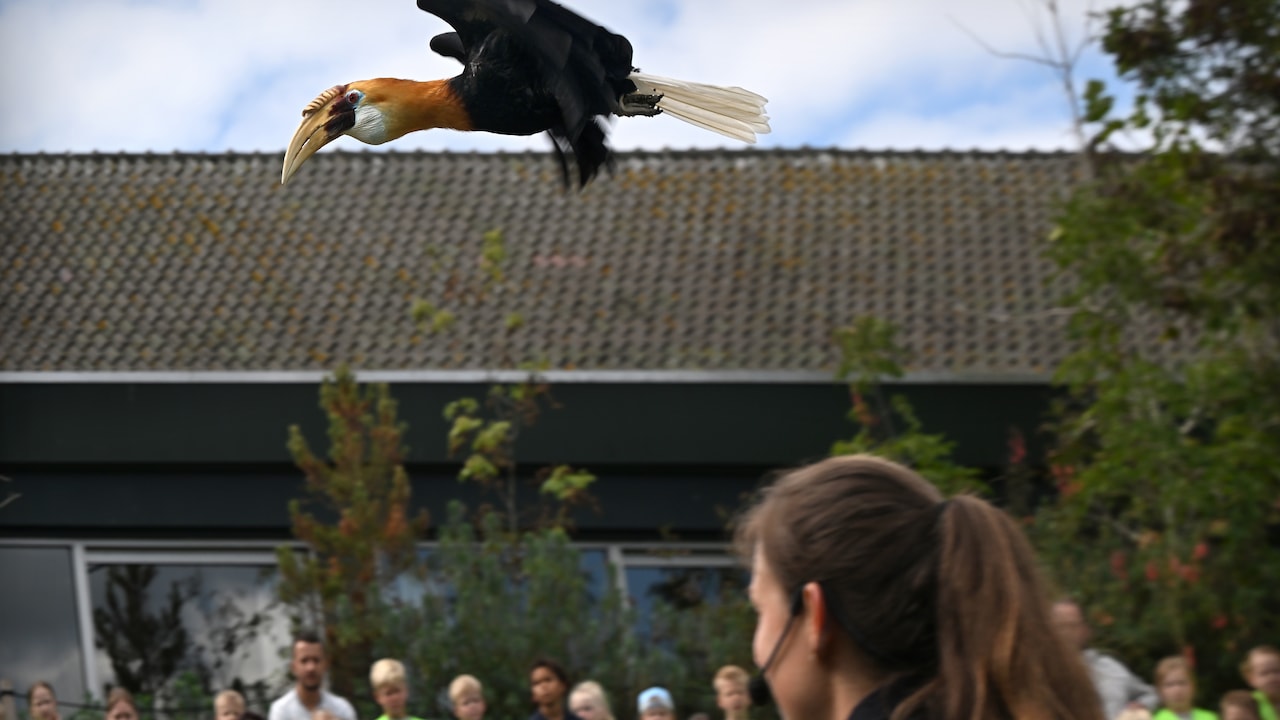
Exotic birds frequently appear in residential areas of Alphen aan den Rijn, often labeled as escaped animals in media reports. Vogelpark Avifauna clarifies that these birds can fly freely and naturally return to the park, meaning such sightings are a normal occurrence rather than evidence of accidental escapes or loss of control.
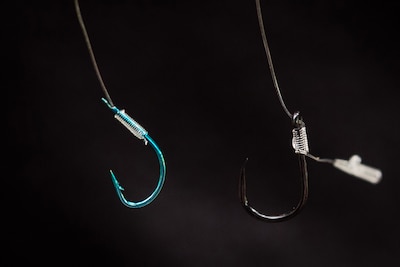
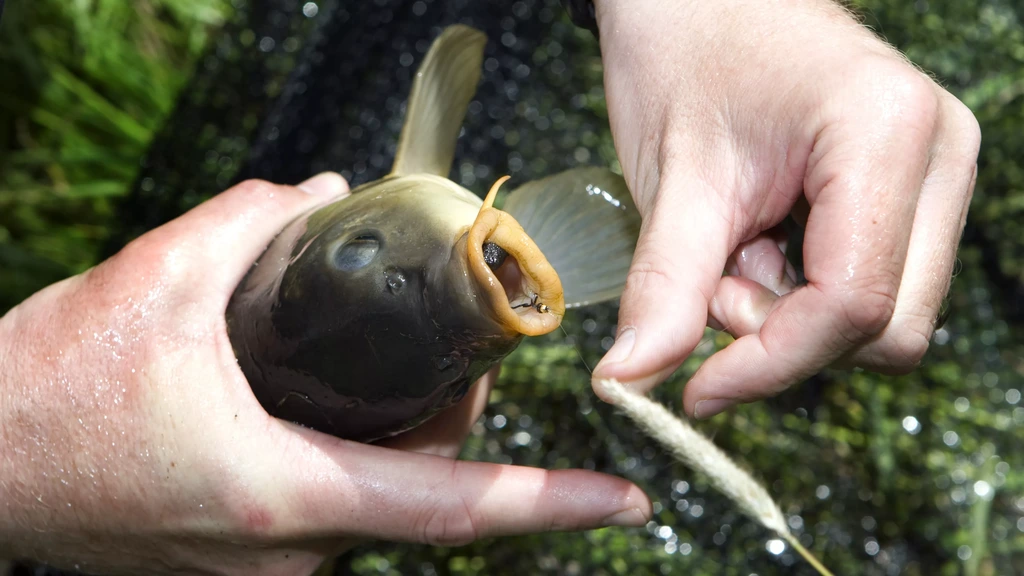
The Dutch Second Chamber rejected a proposal by the Party for the Animals (PvdD) to ban barbed hooks, ending efforts to criminalize their use to prevent animal suffering. The fishing and angling sectors opposed the ban, citing enforcement difficulties, financial losses, and the need for choice among 1.5 million sport anglers. Only five factions supported the amendment, leaving the Netherlands without a national prohibition despite existing local rules in other countries like Switzerland and the UK.
Bats have taken up residence in the roof of a primary school in the Drentse village of Eext. Despite numerous hunebedden (megalithic tombs) in the area, the bats chose the building for its security, moving into the structure before it was scheduled for demolition and replacement with a new school.
The Dutch House of Representatives rejected a proposal by the Party for the Animals to ban barb hooks, citing concerns that such a rule would place the Netherlands in an isolated international position. While Member of Parliament Kostic argued the ban would reduce animal suffering, sport fishing sectors opposed it, warning of market isolation and reduced catches. A majority agreed with the opposition, maintaining the current status despite existing local bans in areas like Amersfoort.
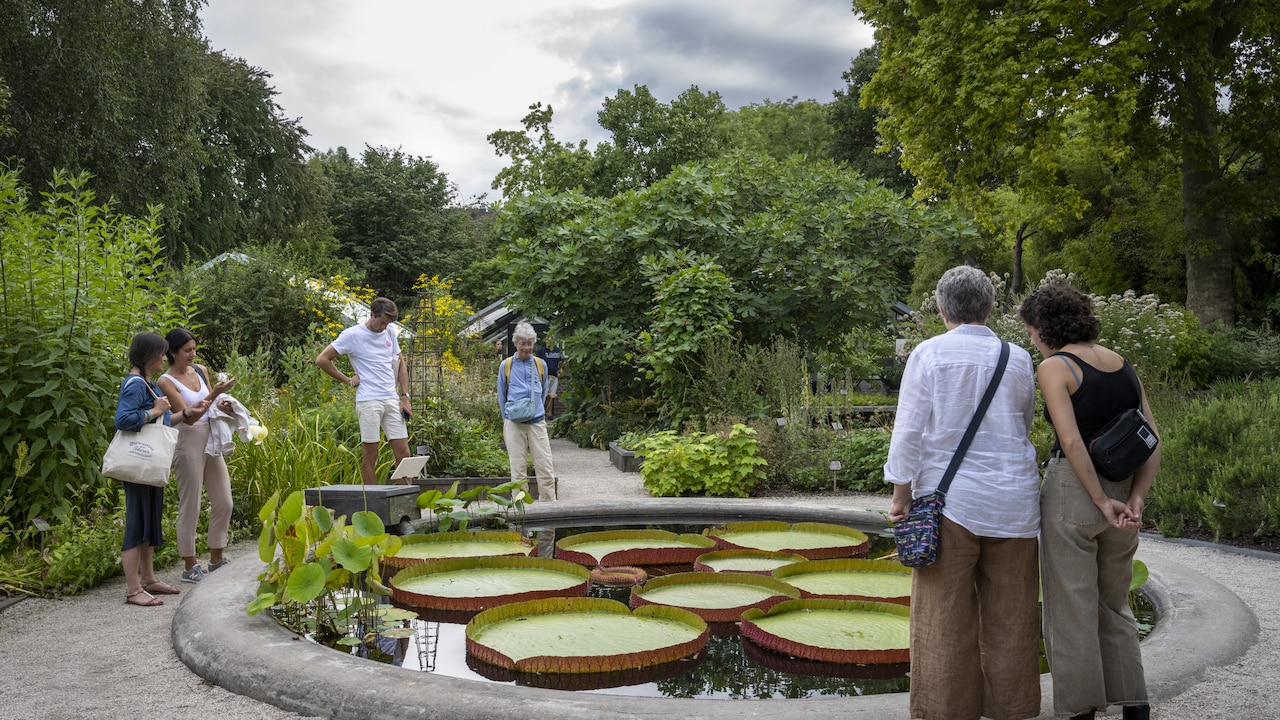
The Victoria 'Longwood Hybrid', a rare giant water lily at Amsterdam's Hortus Botanicus, is currently blooming, prompting extended evening hours from 20:00 to 22:00 on Tuesday. The flower, which opens only at night, displays white petals with a pineapple-like scent on its first night and turns pink on the second before disappearing underwater. Its leaves can exceed two meters in diameter, and it previously demonstrated strength by supporting 40 kilograms of cheese. The Hortus extended access to allow visitors to observe this brief, nocturnal bloom event.
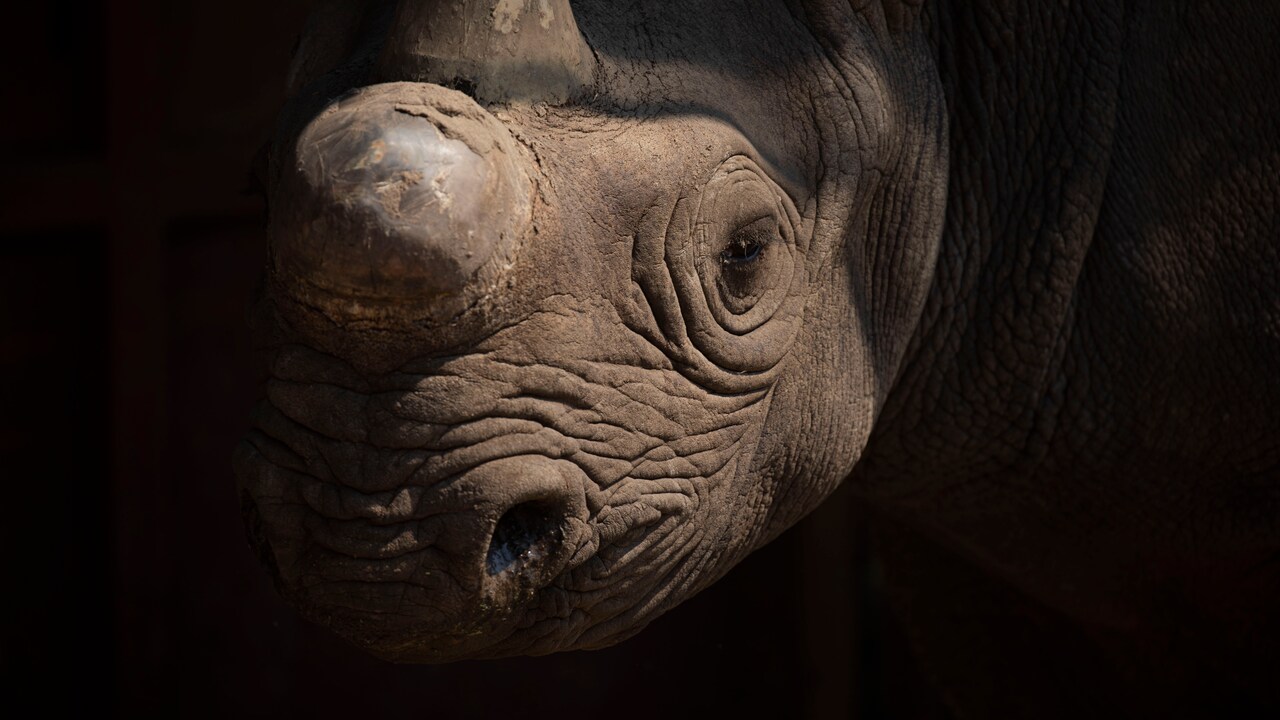
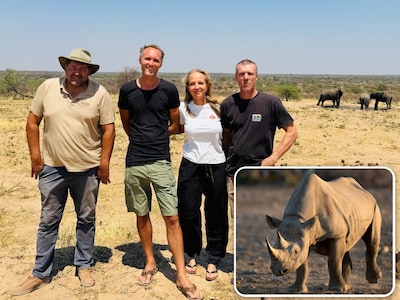
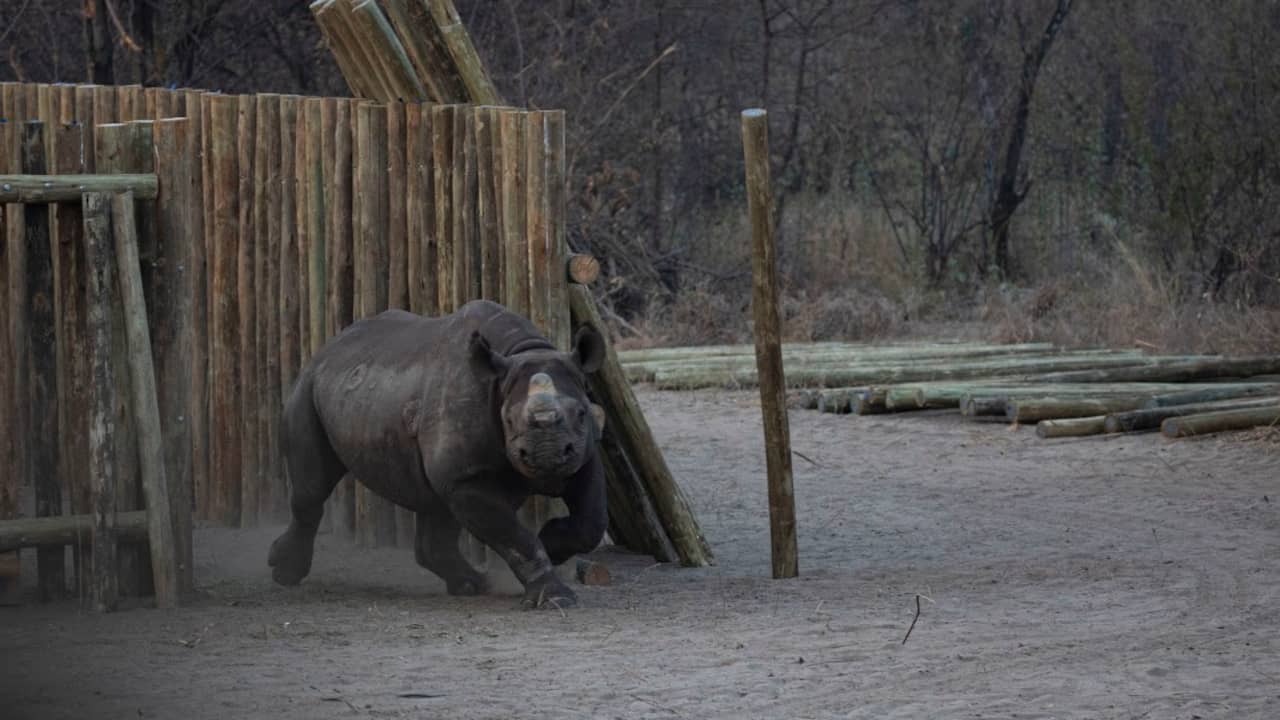
Three Dutch friends—Jamal Attari, Bart Kramer, and Berry Hooijer—have nearly doubled Botswana's black rhino population by introducing twenty endangered animals to their Deception Valley reserve. This effort, supported by the World Wildlife Fund, involved a complex logistical operation transporting the rhinos from South Africa, aiming to expand the species' range and ensure their safety against poaching.
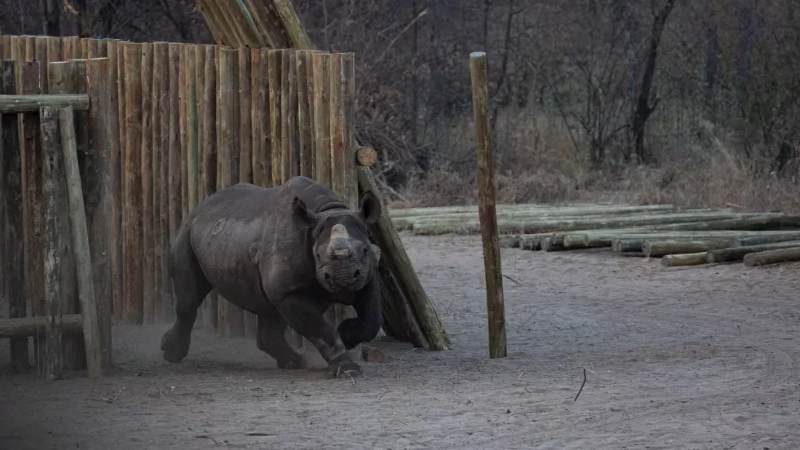
Botswana has released twenty black rhinos into a nature reserve, doubling its population to 44 critically endangered animals. The rhinos were transported from South Africa over a 1,000-kilometer journey lasting approximately 36 hours. Conservationists hope this relocation will help the species grow naturally, as they play a vital role in maintaining ecosystem diversity. All rhinos are fitted with transmitters and monitored via camera traps. The species was locally extinct since 1992 due to poaching for horns, which are used as status symbols or in unproven traditional medicines. Enhanced anti-poaching measures, including electric fencing and surveillance teams, have been implemented to protect them.
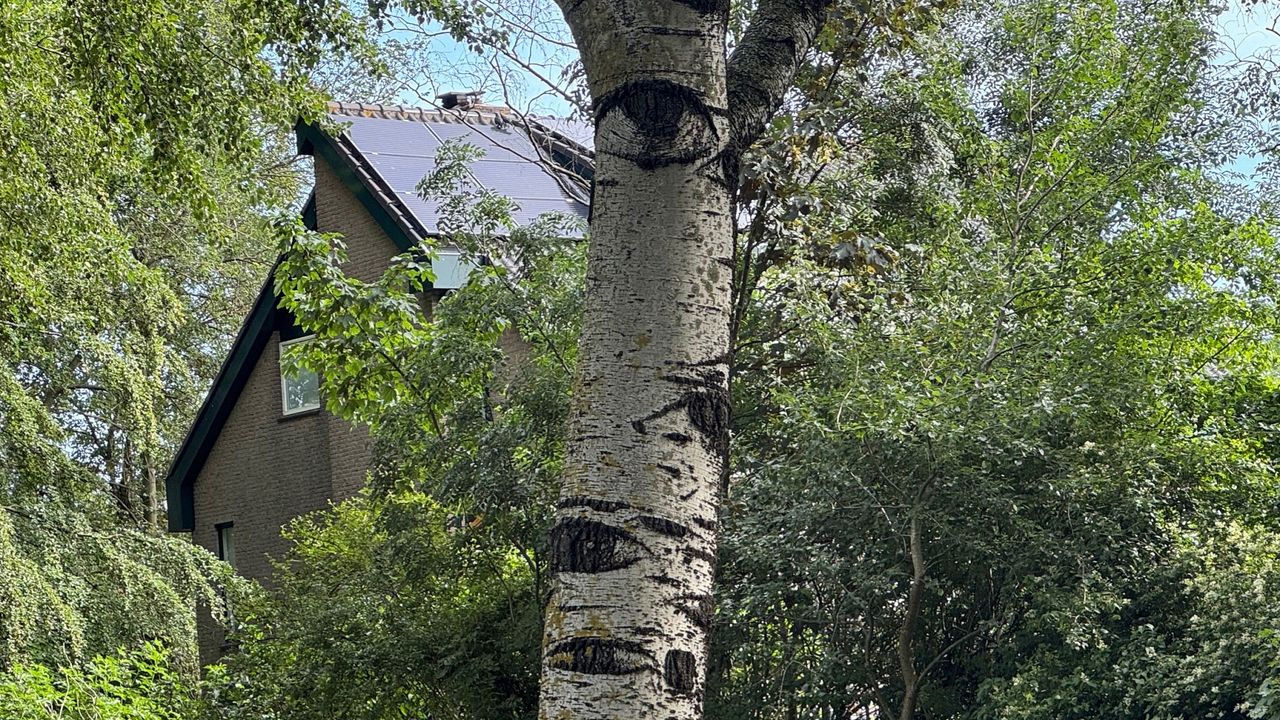
City ecologist Daan van der Sluis explains that the 'eyes' seen on trees like the grey willow result from bark patterns formed as the tree grows. These features become visible when branches break or are pruned, creating wounds that heal into dark spots resembling irises within oval-shaped splits in the white bark.
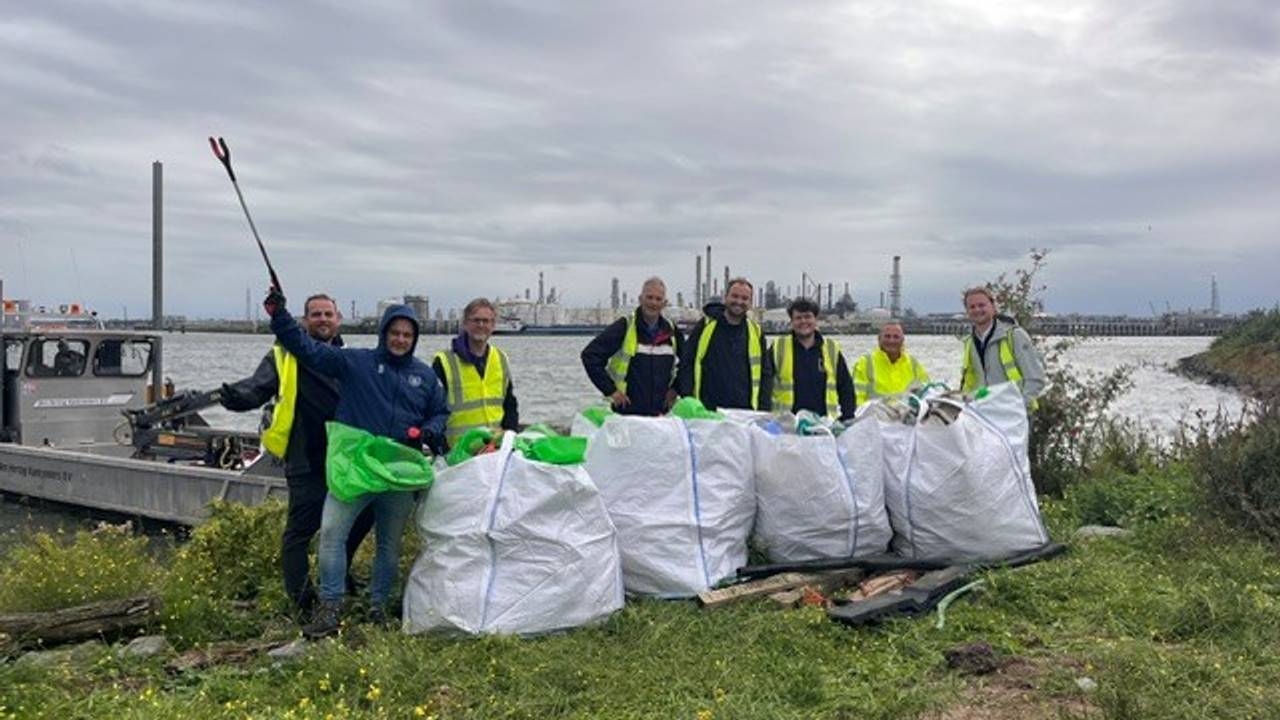
Volunteers and rangers removed approximately ten cubic meters of waste from National Park De Biesbosch during World Cleanup Week. The cleanup focused on Sassenplaat, an island near Moerdijk described by Staatsbosbeheer rangers as resembling a dump due to plastic accumulation that threatens local bird nesting sites. The initiative, part of the campaign 'Together we keep the Biesbosch clean,' involved cooperation with Rijkswaterstaat, local businesses, Waterschap Rivierenland, the province, and various municipalities.
The World Wildlife Fund (WWF) released twenty black rhinos from South Africa into Botswana's Deception Valley nature reserve, doubling the local population. This relocation aims to establish a genetically healthy group and reduce pressure on South African herds by providing more space and food. The rhinos were transported over land for 36 hours in specialized crates before being freed into the remote, fenced sanctuary. Wildlife expert Christiaan van der Hoeven describes the species as essential "gardeners" that maintain bush diversity. Since their extinction in Botswana due to poaching in 1992, the WWF plans to eventually house forty rhinos there. Globally, the wild black rhino population has grown from 2,500 in 1990 to nearly 6,800 today.
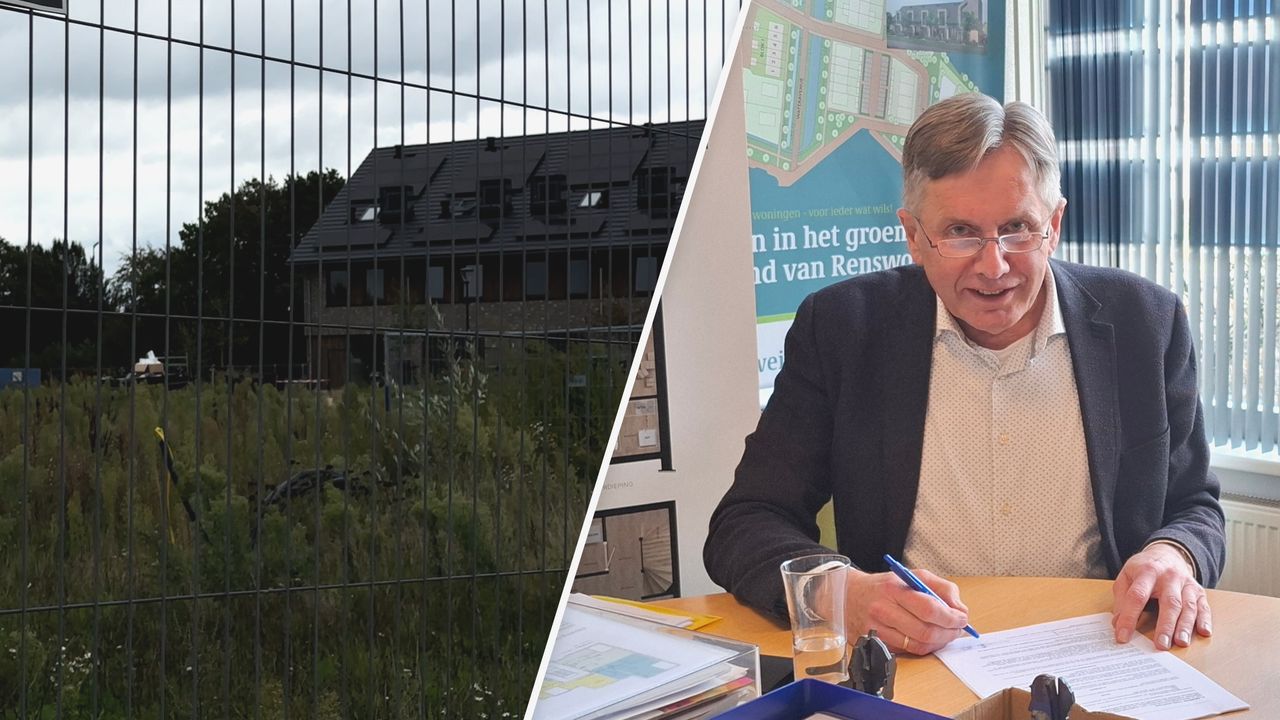
Housing construction in Renswoude’s Beekweide II district has been halted for six months after ecologists from the municipality and the Province of Utrecht disagreed on handling protected species, including eight rabbits and two hares. While municipal ecologists concluded that sufficient space remained for the animals to allow building to proceed, the Provincial Environmental Service rejected the proposed protocol, citing risks to the protected animals under new regulations effective in 2024.
A new report by BirdLife International reveals that 45% of migratory bird species are declining globally, with 11% threatened with extinction. Key drivers include agricultural intensification, climate change, habitat loss, and invasive species. The study highlights the critical importance of Dutch locations like the Wadden Sea and Southwest Delta as resting and breeding grounds along the East Atlantic flyway, urging international cooperation to restore these vital habitats.
Willem Hendriks, Wim Verheugt, and Ben Huisman lead citizen initiatives in the Netherlands to restore landscapes and foster cooperation among farmers, nature groups, and authorities. Their organizations have purchased land to enhance biodiversity, established cooperatives for sustainable farming, and facilitated dialogue to resolve conflicts over environmental issues like nitrogen and water management.
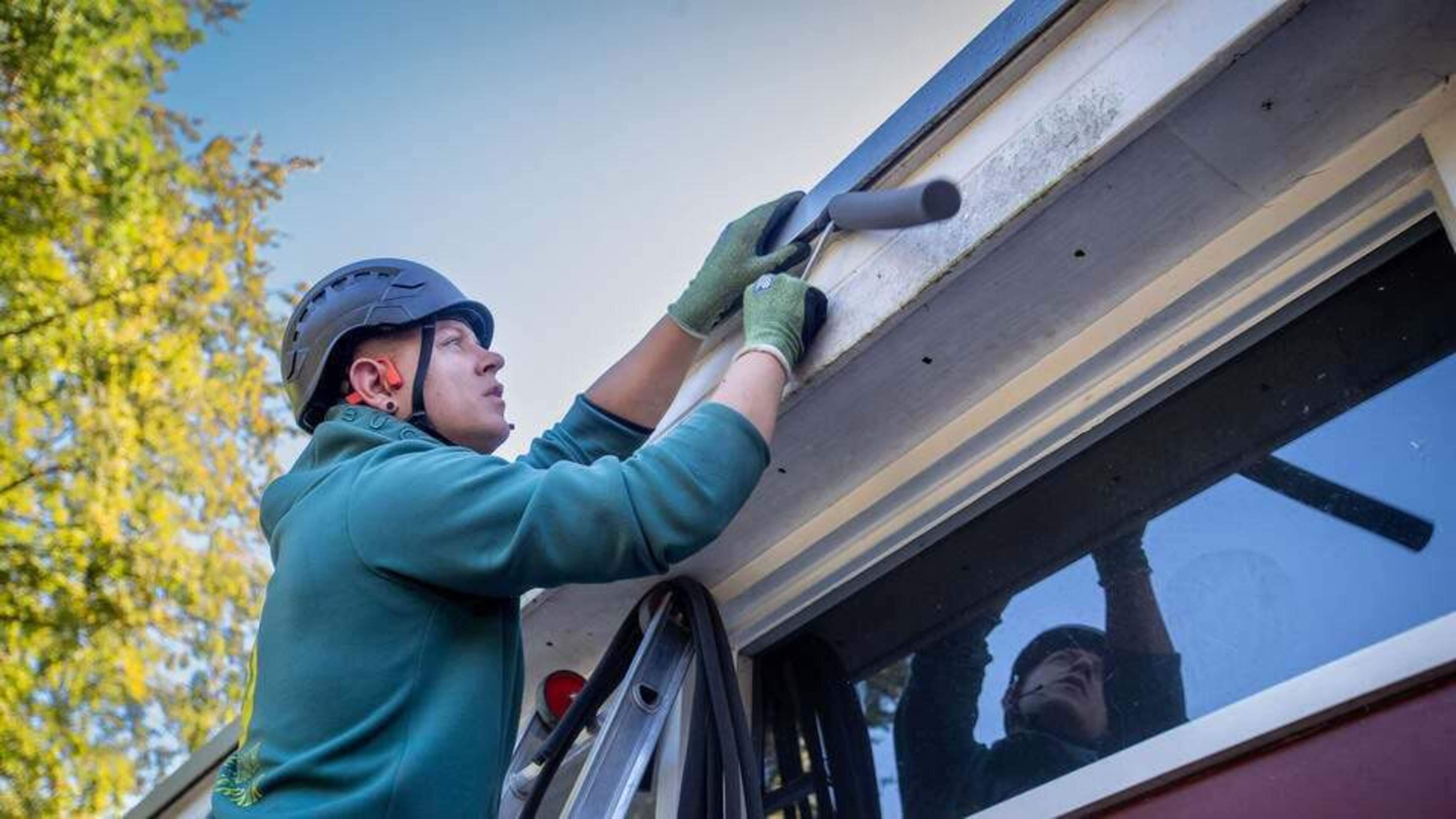
Experts are attempting to relocate protected bats from an old primary school in Eext to a replica roof structure. If this relocation fails, the construction of the new school will face further delays.
/s3/static.nrc.nl/wp-content/uploads/2026/09/09154832/160926BIN_2035411689_buitengebied07.jpg)