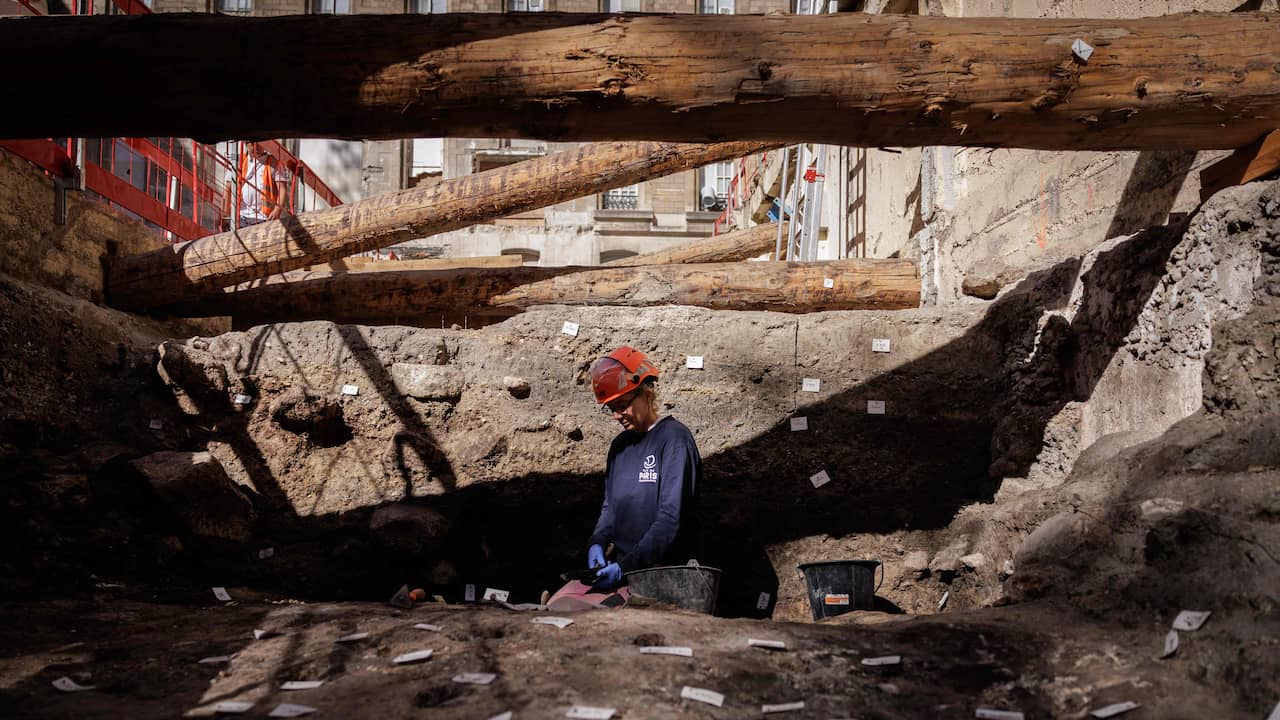
A long fortress wall from the Gallo-Roman period was discovered in Paris this summer, potentially representing a major breakthrough in understanding the origins of the French capital. The discovery was reported by the French Ministry of Culture.
Middenin Parijs, niet ver van de Notre-Dame, is een oude muur ontdekt die mogelijk iets zegt over het ontstaan van de stad. De Franse cultuurminister Catherine Pégard noemt het een ‘enorme doorbraak’. Het nog geen meter hoge muurtje kan namelijk bewijzen dat de stad is gesticht op Île de la Cité, het beroemde eiland in de Seine waar ook de kathedraal op staat.
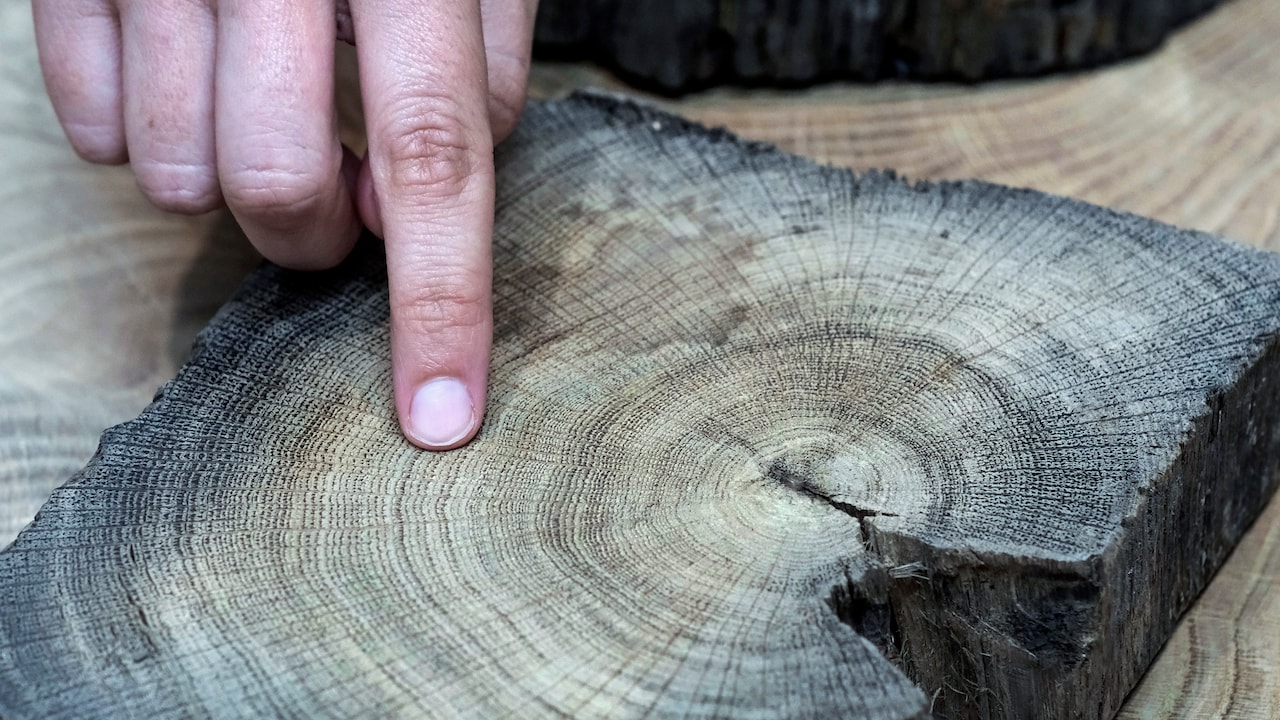
Researchers from Leiden have developed a new dating method using oxygen isotopes to analyze construction wood, addressing limitations of traditional dendrochronology which requires many tree rings. Marta Domínguez Delmás of the Cultural Heritage Agency and Naturalis Biodiversity Center notes that nearly 40 percent of Dutch wood samples lack sufficient rings for conventional dating. Clara Rodriguez Morata explains that oxygen isotope ratios stored in tree rings reflect climatic conditions without interference from soil or human activity. This technique allows dating with as few as thirty rings, enabling the dating of a beam from the Old Jeroenskerk in Noordwijk and facilitating historical climate research.
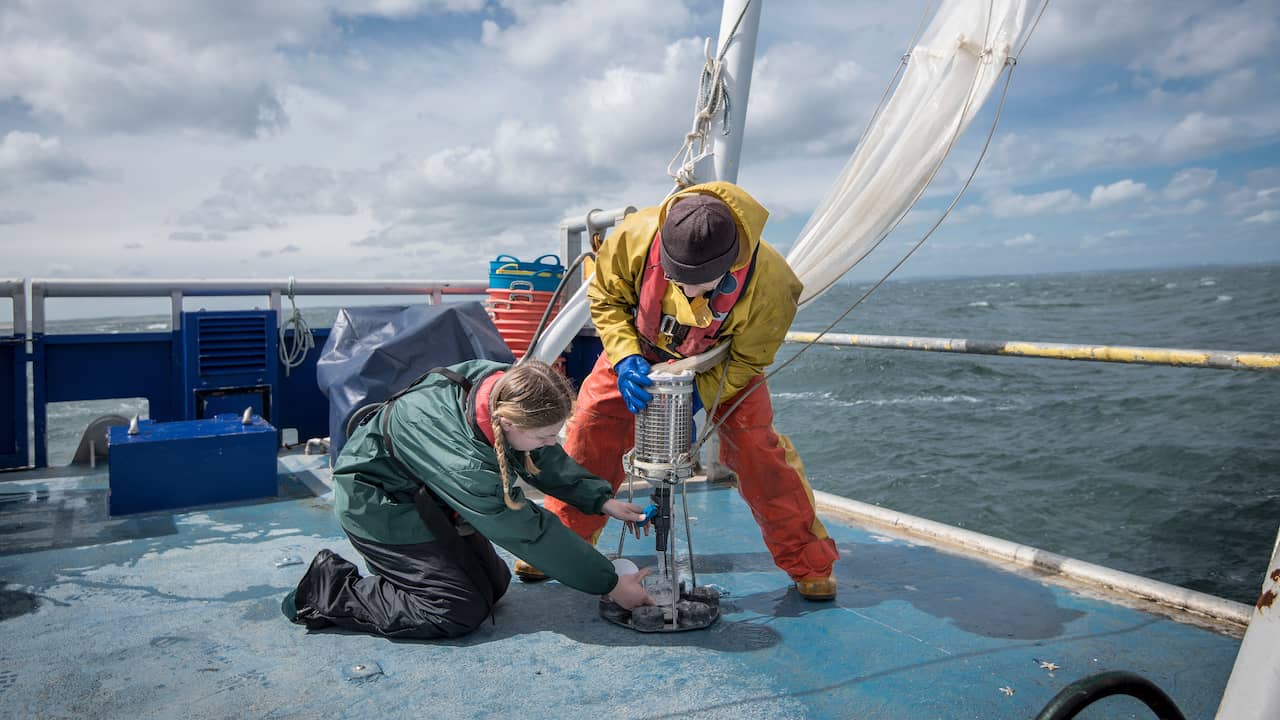
The European Union and Canada announced a partnership at the UN General Assembly in New York to secure global ocean monitoring systems following significant science budget cuts by the United States under President Donald Trump. The EU is contributing 100 million euros, Canada 82 million dollars, and Dutch Prime Minister Rob Jetten pledged 27 million euros for new measurement systems. Thirty other countries have joined the initiative to support buoy networks and research vessels. EU Chief Ursula von der Leyen and Canadian Prime Minister Mark Carney warned that the network relies too heavily on a small group of funders, making it vulnerable to financial and geopolitical disruptions. Dutch researchers expressed relief but noted urgent funding gaps, particularly for Atlantic Meridional Overturning Circulation (AMOC) monitoring after 2028.
This podcast episode explores whether swarms of AI agents pose an existential threat to humanity. It is part of a broader collection of Volkskrant podcasts covering scientific developments, political weekly reviews, cultural trends, and modern relationships amidst rapid global changes including climate change and war in Europe.
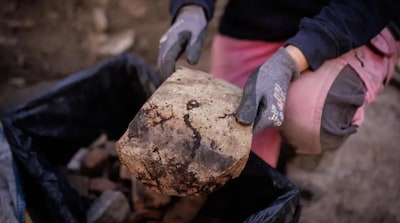
Archaeologists have uncovered a 20-meter-long stone and wooden fortress wall from the Roman era during excavations at the Hôtel-Dieu hospital on Île de la Cité in central Paris. The discovery, described by France’s Ministry of Culture as historic, may represent the Gallic stronghold of Lutetia, which was attacked by Julius Caesar in 52 BC. Artifacts found alongside the structure, including coins, spearheads, and pottery, date between 200 and 10 BC, while burn marks on the wall align with historical accounts of the settlement being set ablaze before the Battle of Lutetia. Although confirmation is pending, Julien Avinain of the Paris archaeological service states that evidence increasingly points to this site being the location of ancient Paris.
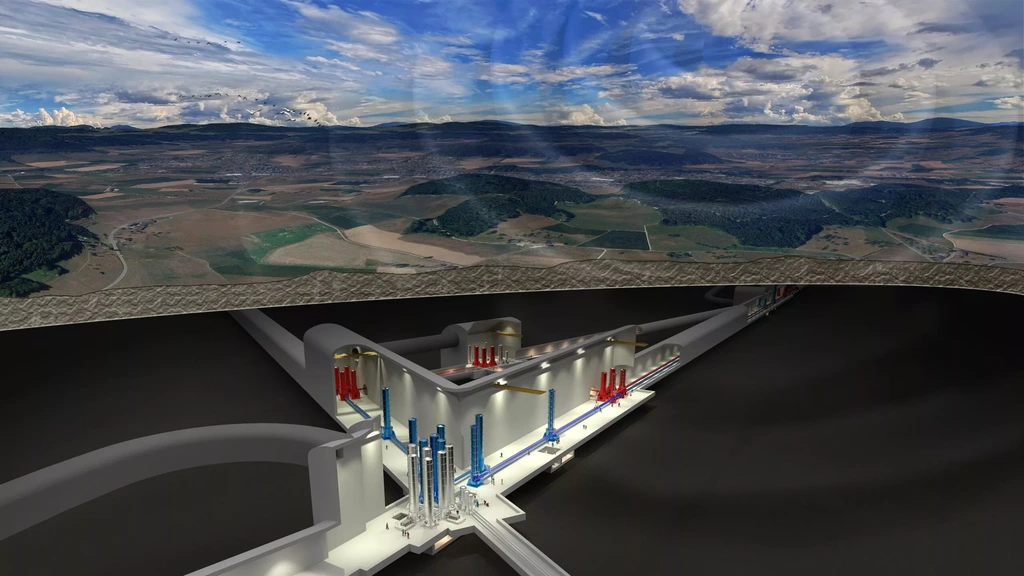
The Dutch cabinet is exploring a joint detection facility with Italy for the Einstein Telescope, a gravitational wave observatory, adding to previous bids by South Limburg, Sardinia, and Saxony. This collaboration involves two L-shaped detectors, potentially located in the Euregio Maas-Rijn region and Italy, to improve directional accuracy of gravitational wave measurements. The project, costing at least 2.3 billion euros, aims to measure over 100,000 signals annually and create hundreds of jobs, with a final decision expected next year among ten European nations.
The province of North Brabant is investing 4 million euros in a new AI supercomputer built with the universities of Eindhoven and Tilburg and the Brabantse Ontwikkelingsmaatschappij. Located in a Finnish data center, the Nvidia-powered system will provide local businesses, researchers, and government organizations with access to powerful computing for applications such as cancer research and smart traffic management. To support adoption, six experts will be appointed to assist in developing AI models, and 'innovation tables' will facilitate collaboration among entrepreneurs, authorities, and knowledge institutions to speed up artificial intelligence development.
Greenpeace reported that parts of western Netherlands contain more PFAS in drinking water than the RIVM advises, but drinkwater specialist Roberta Hofman argues against home filtration. She states that commercial filters are ineffective because they lack sufficient activated carbon capacity and quickly become breeding grounds for bacteria. Reverse osmosis systems are also criticized for wasting water and removing essential minerals. Hofman emphasizes that water companies are already working to remove these substances and suggests that total bans on PFAS are the only real solution, advising the public to continue drinking tap water without filtering.
While innovative solutions exist for various social issues ranging from debt to healthy nutrition, these innovations struggle to gain traction and move beyond the testing phase.
Scientist Karel Knip uses the analogy of coffee layers in a glass to explain the thermohaline circulation, now known as AMOC, which drives slow deep ocean currents. While El Niño is a cyclical phenomenon, scientists warn that climate change could cause the AMOC to weaken or collapse permanently, potentially leading to severe regional weather impacts such as the drying up of the Meuse River. Evidence suggests these deep currents, moving at only 0.1 km per hour, are indeed showing signs of instability.
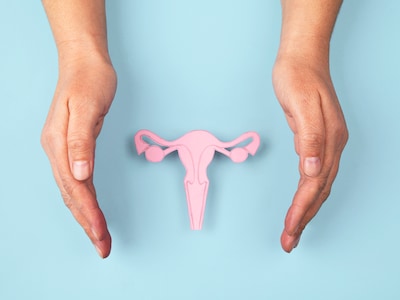
Emeritus professor Dick Schoot and his team at the Catharina Hospital in Eindhoven discovered that uterine contractions provide insight into fertility health and IVF success rates. Using advanced ultrasound techniques developed with TU/e, they mapped these movements, revealing patterns that help predict IVF outcomes with 95% accuracy. The research allows doctors to adjust treatments or use medication to calm the uterus, potentially preventing failed implantations and reducing pain for patients suffering from conditions like endometriosis.
Oscar-winning director Daniel Roher’s documentary The AI Doc explores the question of whether it is prudent to bring children into a world shaped by artificial intelligence. Roher interviews a wide array of tech leaders, researchers, and futurologists, including Yuval Noah Harari, Ajeya Cotra, and Daniela Amodei, as well as CEOs Sam Altman, Dario Amodei, and Demis Hassabis. The film balances apocalyptic warnings with techno-optimism, culminating in Roher’s concept of the “apocaloptimist.” While the interviews highlight the prisoner’s dilemma of AI safety versus competitive racing, definitive answers remain elusive, leaving viewers to ponder the future amidst chaotic visuals and urgent questions.
NADI, the National Agency for Disruptive Innovation, is making 40 million euros available for teams from the Netherlands and Europe to develop the next energy-efficient AI chips.
The National Agency for Disruptive Innovation (NADI) has launched a competition with 40 million euros to develop energy-efficient AI chips in collaboration with Germany's SPRIND agency. Seven teams will receive initial funding, with the top three earning additional grants to address Europe's reliance on foreign chip technology.
Most men would embrace contraception designed for them, such as on-demand pills taken before sex, a daily hormonal gel or a thermal silicone ring, but funding gaps are keeping these products years away from pharmacy shelves.
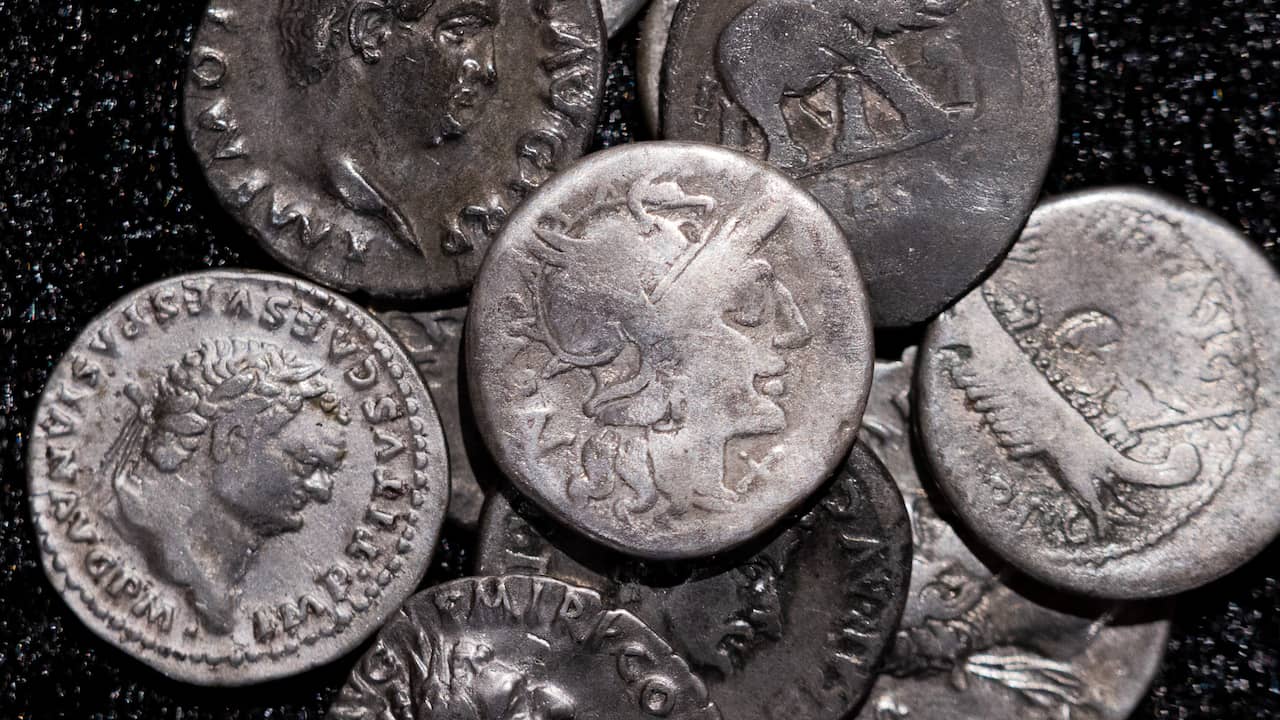
Amateur archaeologist Oliver Riedl discovered 934 denarii near Wesseling, Germany, using a metal detector. The hoard, weighing over 3 kilograms, dates to the reign of Emperor Hadrian between 117 and 138 AD. It represents three times the annual salary of a Roman soldier at that time. Local authorities were notified immediately, and the coins were transferred to the Lvr-LandesMuseum in Bonn. Archaeologist Erich Classen suggests the money was likely buried for safekeeping in the mid-second century. This is considered the largest find from Hadrian's era, though the specific reason for burial remains unclear.


/s3/static.nrc.nl/wp-content/uploads/2026/09/22110708/230926WET_2036867907_.jpg)
/s3/static.nrc.nl/wp-content/uploads/2026/09/23101014/230926CUL_2036836846_ai04.jpg)