The Dutch Court of Audit warns that Prime Minister Rob Jetten’s cabinet must make difficult political choices to achieve its goal of saving 3.4 billion euros through civil service cuts. President Pieter Duisenberg states that while the budget targets are allocated per ministry, a concrete plan is missing, risking reduced service quality for citizens. The audit highlights the challenge of realizing ambitious goals like housing construction and defense investment with fewer staff, noting that previous cutbacks under the Schoof cabinet failed to simplify work or reduce headcount effectively.
On Saturday, August 29, VVD leader Dilan Yesilgöz hosted D66 party leader Rob Jetten and CDA party leader Henri Bontenbal at her home. The meeting centered on a fundamental question regarding the direction of their coalition government.
French President Emmanuel Macron visited Saint-Pierre and Miquelon, a French overseas territory off the coast of Canada, to reaffirm its status as part of France following an AI-generated map by US President Donald Trump that depicted the archipelago as belonging to the United States. During his visit, which marks the first presidential trip in twelve years, Macron emphasized that the islands' sovereignty is indisputable. The visit aims to address local concerns regarding high living costs, limited employment, and climate change threats, while also highlighting the region's historical significance during World War II when Free French forces liberated the islands against Allied advice.
Recent political discussions focused on whether the cabinet will secure a majority through the Klaver merger or right-wing parties JA21 and SGP. Kamran Ullah notes that while general political assessments provided surprising content, the long-term implications remain uncertain during these unstable times.
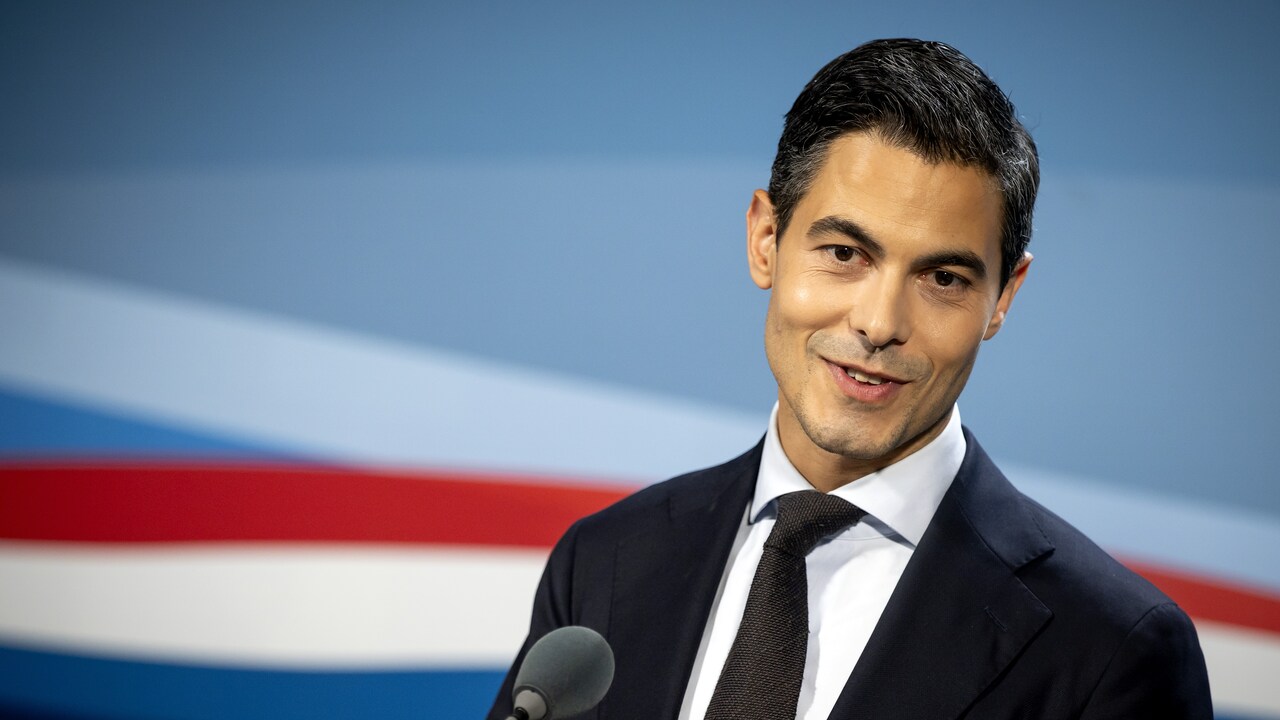
Premier Jetten remains optimistic as the cabinet begins its second round of budget talks, but it holds little better leverage than in August. Internal disagreements within the coalition remain unchanged despite the new negotiation phase.
The Netherlands is providing 12 million euros for medical aid to Palestinian children, facilitating the evacuation of 250 sick children to Jordan. This follows a majority vote in the House of Representatives urging the government to present a concrete plan before summer.
Prime Minister Jetten remains optimistic about finding a majority for his plans and intends to hold further coffee meetings with the opposition. However, the BBB party is currently facing scrutiny during these discussions.
Optimistic Prime Minister Jetten still believes a majority supports his plans, leading to further coffee meetings. However, the BBB party must face criticism during these discussions.
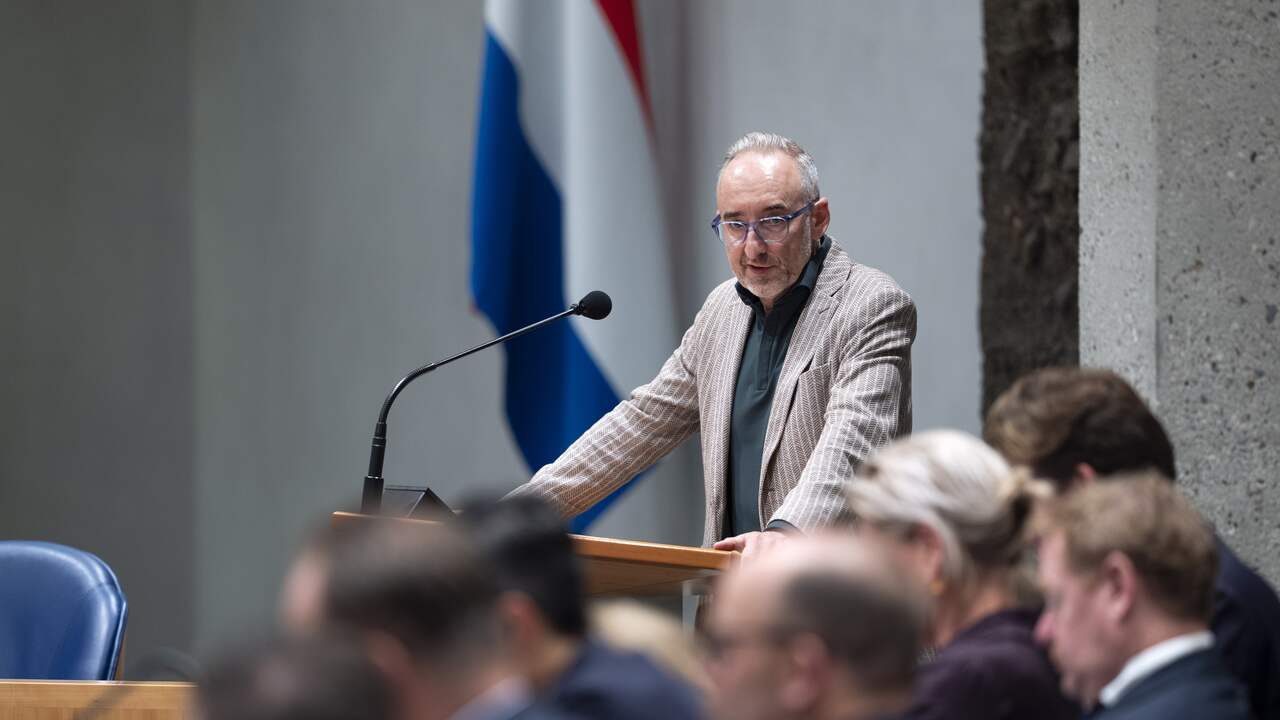
Joost Eerdmans of JA21 was in a position to make numerous demands of the minority cabinet during this week's General Political Debates. However, he made a strategic error, illustrating the limited political influence of the right flank.
Following hours of debate, the year's most significant political discussion has concluded. The podcast examines how key figures behaved during the General Political Consultations and questions whether a comprehensive budget deal remains possible this autumn.
The Dutch cabinet has suspended further negotiations with BBB leader Henk Vermeer regarding the budget after BBB supported a motion of no confidence. This vote has strained relations between the governing coalition and the BBB. Consequently, the government will invite JA21, SGP, CU, 50PLUS, Volt, and PRO for discussions instead, stating that partial trust is insufficient for continued cooperation.
Kemal Rijken argues that D66 Prime Minister Rob Jetten must demonstrate genuine leadership to save his minority cabinet, which was formed without an agreement with opposition parties.
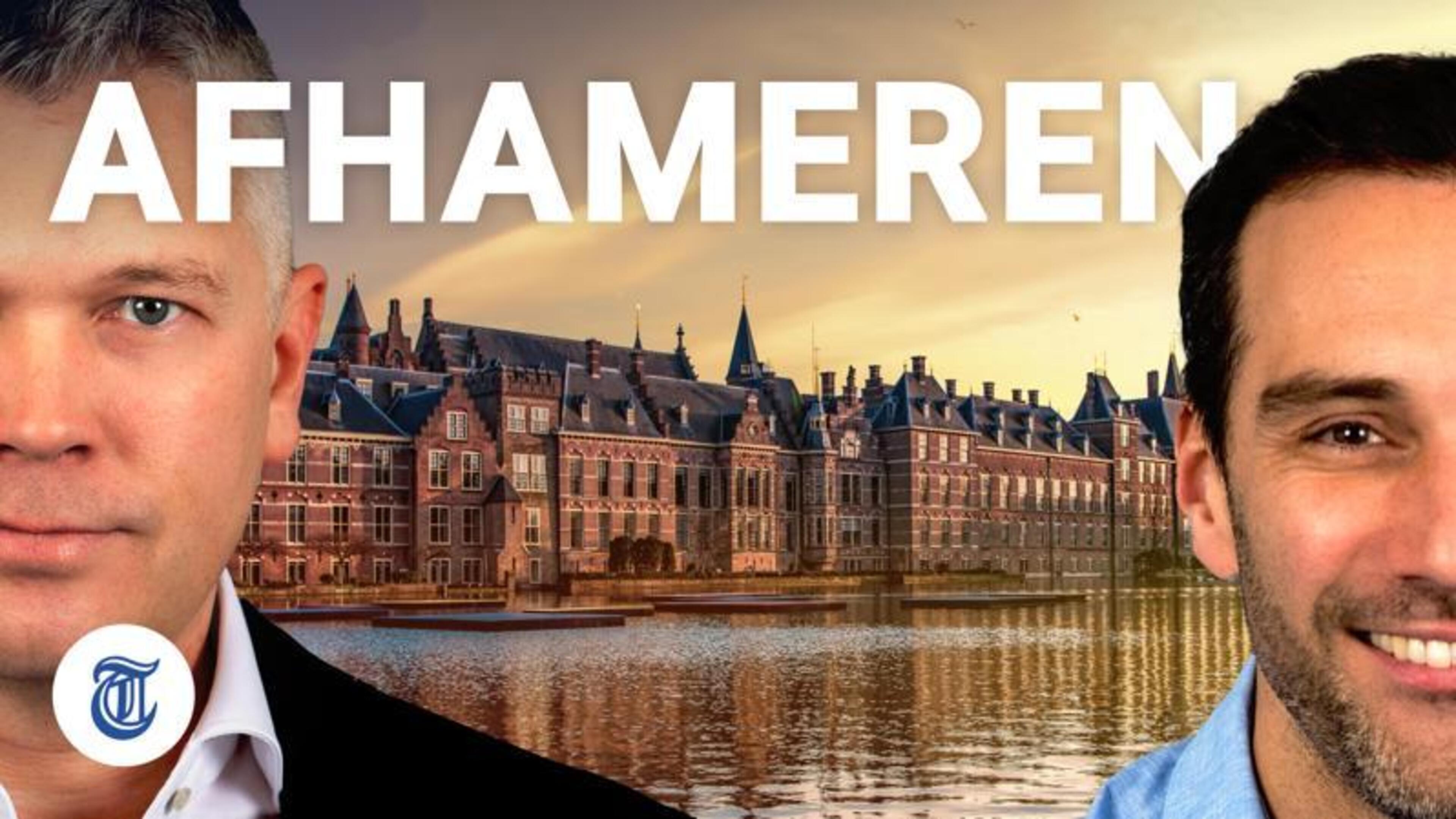
In the podcast Afhameren, commentators Wouter de Winther and Pim Sedee analyze the political week following Prinsjesdag and the General Political Debates. They question whether Prime Minister Jetten’s cabinet can be salvaged, noting that while Jesse Klaver manifested strongly on the left, no right-wing leader emerged, and they assess the steps Jetten must take to ensure his first cabinet's success.
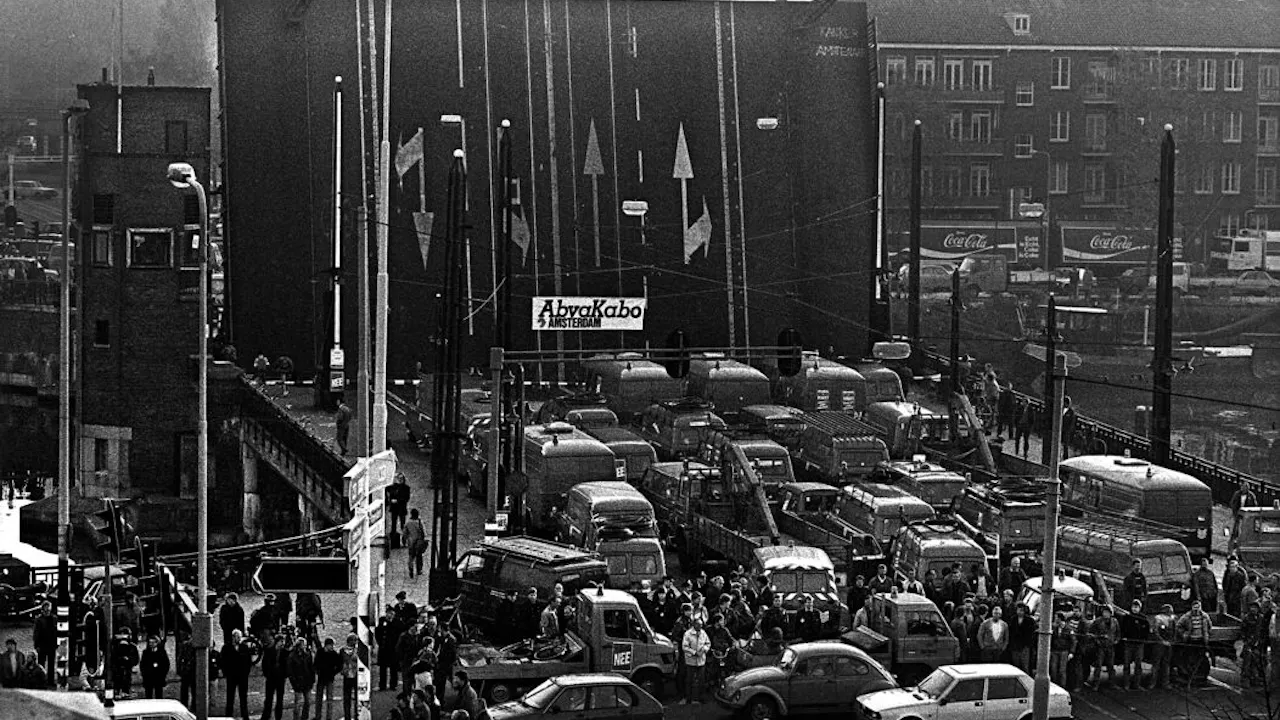
The article argues that lessons from the 1983 'Hot Autumn' are relevant for the current government. It notes that Prime Minister Ruud Lubbers faced significant resistance from trade unions regarding his plans but persisted. This determination is presented as a valuable lesson for the cabinet led by Rob Jetten.
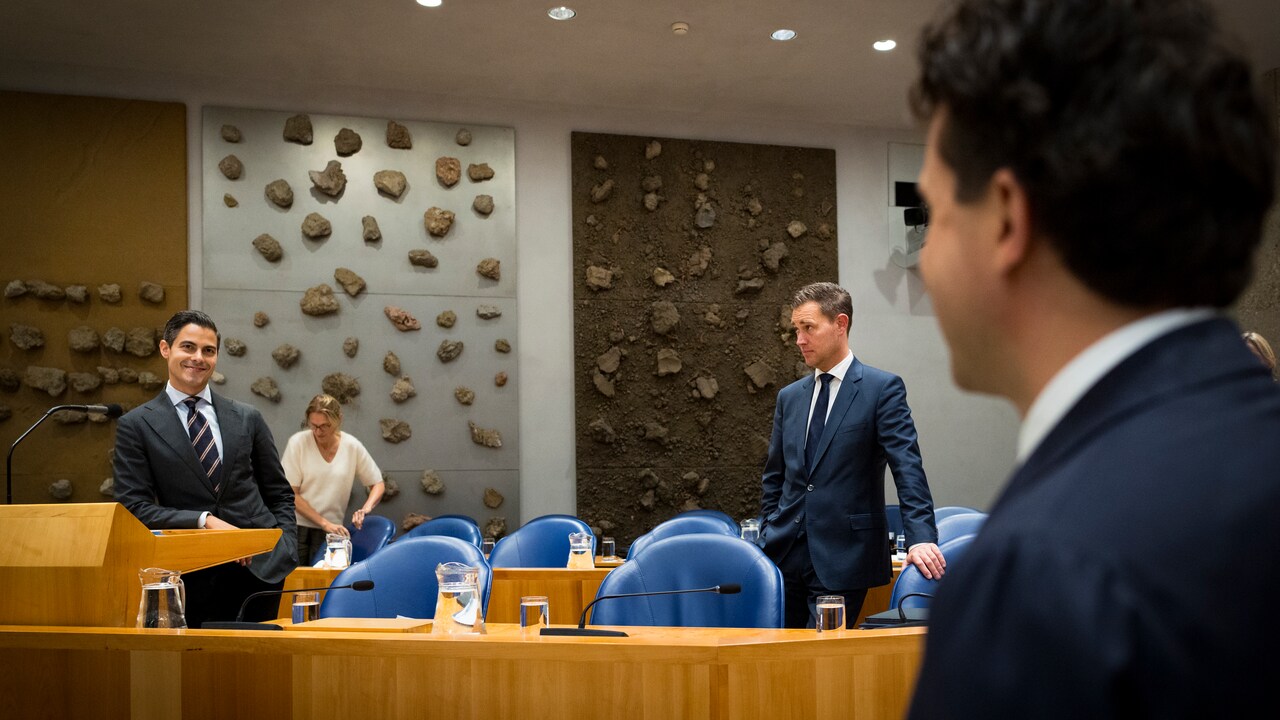
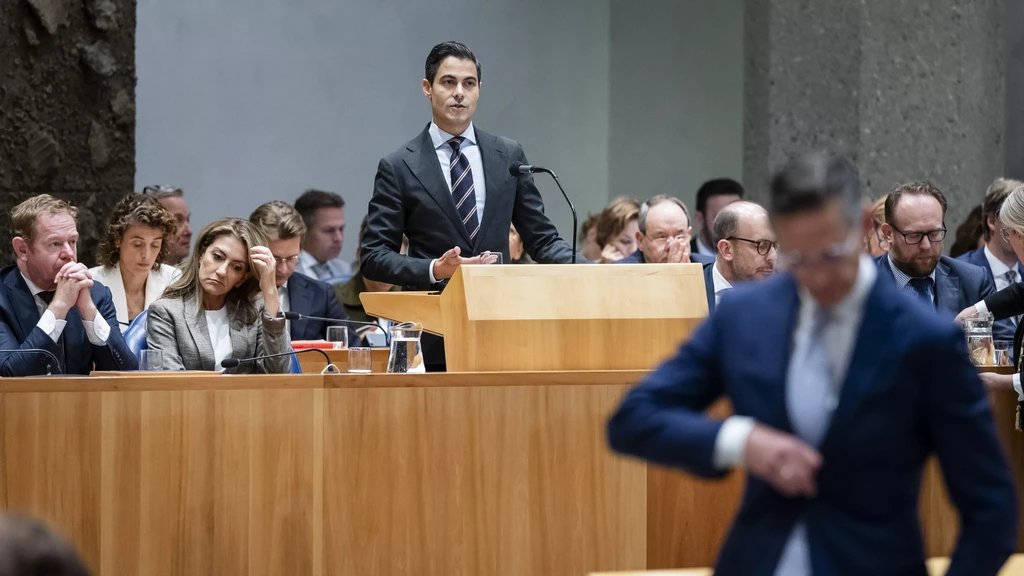
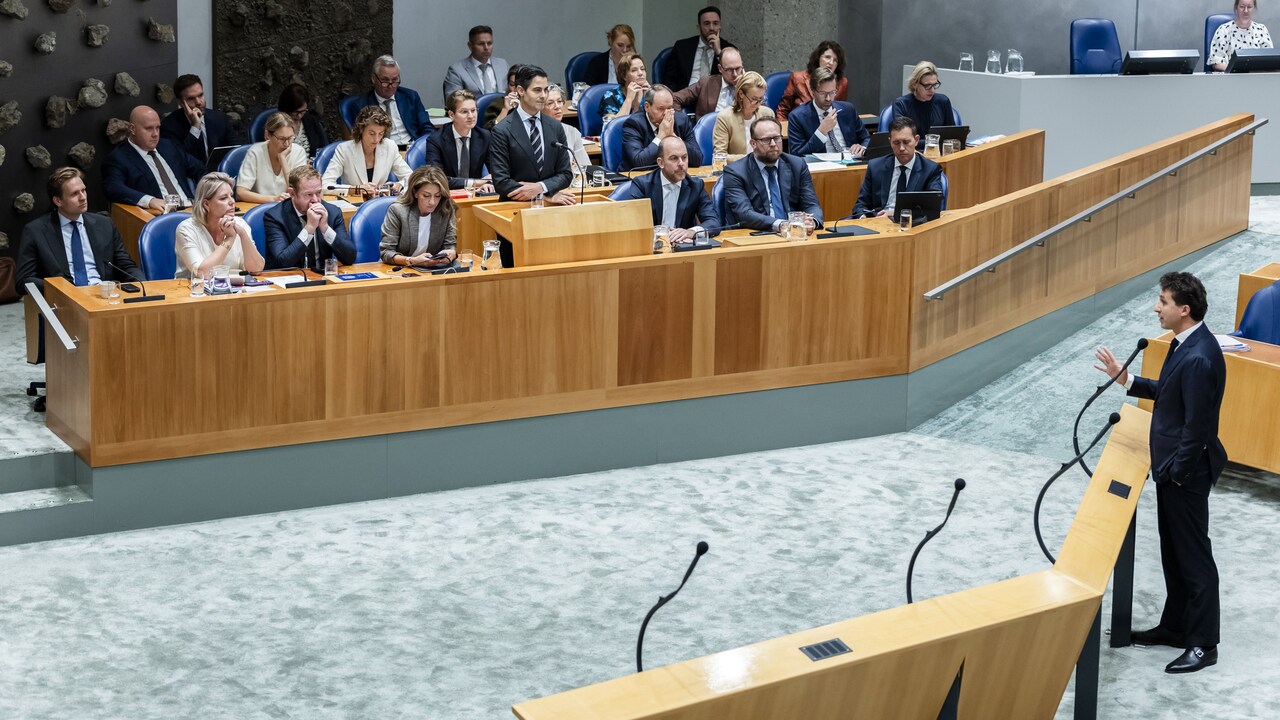
During the second day of General Debates in The Hague, opposition members repeatedly urged Prime Minister Jetten to make a decision. However, it became evident that he does not have the political space to do so within the context of the minority cabinet.
Dutch Prime Minister Dick Schoof Jetten stated it is too early to decide between left or right coalition options during the second day of General Political Consultations. Opposition leaders from Pro, JA21, and SGP criticized the lack of clarity, urging a definitive direction for the minority government. While some parties suggested separate agreements on specific issues like asylum or climate, others insisted on a comprehensive deal. Jetten invited multiple parties for further talks, aiming for an agreement within a week, despite skepticism from critics who view the cabinet as deeply divided.
Premier Rob Jetten has endured several sobering days, but his cabinet can continue despite needing to find strong support pillars. The article examines potential political partners and their demands to help resolve the current impasse.
At the start of the second day of the General Political Considerations, the parliamentary debate on the national budget, Prime Minister Rob Jetten offered no clarity on how the Cabinet in
It remains unclear whether the government intends to cooperate with the far-right Group Markuszower, as the debate continues regarding potential collaboration with the political faction.
/s3/static.nrc.nl/wp-content/uploads/2026/09/22102637/220926BIN_2036825605_rekenkamer.jpg)
/s3/static.nrc.nl/wp-content/uploads/2026/09/20092128/200926VER_2036821496_.jpg)

/s3/static.nrc.nl/wp-content/uploads/2026/09/18150432/180926VER_2036808315_GazaKinderen.jpg)
/s3/static.nrc.nl/wp-content/uploads/2026/09/18132240/180926WEE_2036766393_eerdmans2.jpg)
/s3/static.nrc.nl/wp-content/uploads/2026/09/18135857/180926OPI_2036799217_Jetten.jpg)
/s3/static.nrc.nl/wp-content/uploads/2026/09/17213430/170926BIN_2036671743_3.jpg)

/s3/static.nrc.nl/wp-content/uploads/2026/09/17121927/170926DEN_2036763603_markuszower.jpg)