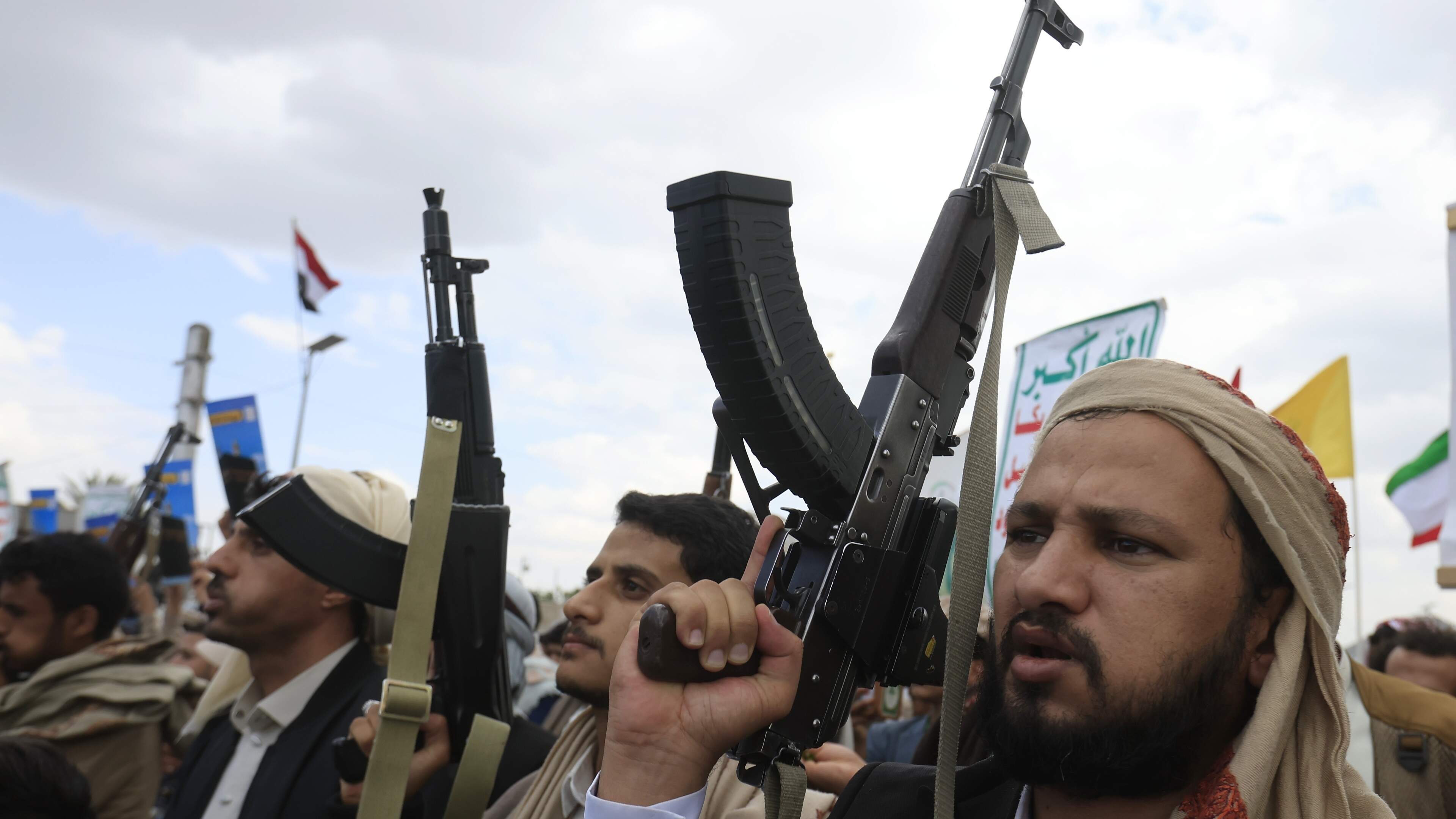
Saudi Arabia, despite possessing one of the world's highest defense budgets, has failed to make significant progress against Houthi forces in Yemen. Crown Prince Mohammed bin Salman, already facing challenges related to the Iran war, is urgently requesting assistance from the United States, European countries, and even financially strained Egypt to help combat the Houthis. However, these international powers are reluctant to intervene in the conflict. The plea highlights Saudi Arabia's strategic difficulties in Jemen, where military spending has not translated into decisive victories against the resilient Houthi movement.
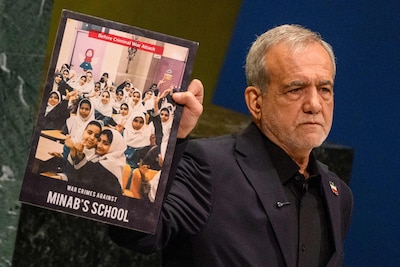
Iranian President Masoud Pezeshkian accused the United States and Israel of war crimes during his speech at the United Nations, claiming Iran has been a victim of terrorism for the past seven months. He displayed photos of alleged US bombings of schools and sports halls, prompting the American delegation to leave the hall in protest. Meanwhile, NATO Chief Mark Rutte argued that Europe, not the US, should lead Middle East efforts, while Donald Trump’s Peace Council presented a $2.45 billion reconstruction plan for Gaza. Additionally, Syrian leader Ahmed al-Sharaa reaffirmed Syria's claim to the Golan Heights and condemned ongoing Israeli attacks, as a freighter was struck by an unknown projectile in the Strait of Hormuz.
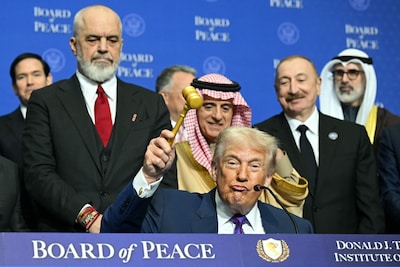
The Trump Peace Council presented a $2.45 billion reconstruction plan for Gaza during a meeting of member states, proposing temporary caravan housing for displaced Palestinians and infrastructure repairs. The proposal allocates funds for security projects, including an international peacekeeping base and a disarmament program for Hamas, though financing remains uncertain. With estimated physical damage exceeding $35 billion and long-term needs reaching $70 billion, implementation depends on resolving disagreements between Israel and Hamas regarding disarmament and troop withdrawal timelines.
The documentary Naza features 24 Israeli soldiers describing how Israel systematically kills civilians in Gaza during military operations. Filmmakers Yuval Abraham and Rachel Szor, who face condemnation in their home country, state it is their fundamental responsibility to speak out about these events. The film highlights the normalization of these actions among the soldiers involved in the conflict.
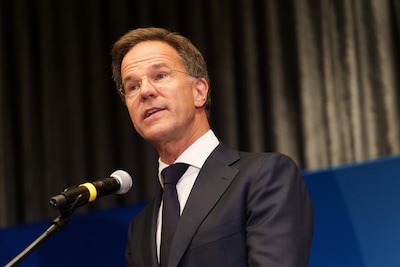
NATO Secretary General Mark Rutte stated that Europe should take responsibility for security in the Middle East once it has rearmament capabilities, arguing that the region is Europe's backyard rather than the United States'. During the UN General Assembly in New York, President Donald Trump urged increased pressure on Iran and claimed discussions with an Iranian delegation were very good. French President Emmanuel Macron criticized the international community for doing too little to stop violence in Gaza, while Turkish President Recep Tayyip Erdogan condemned Israel's actions in Gaza as a shameful concentration camp and called attacks on Black Sea shipping unacceptable.
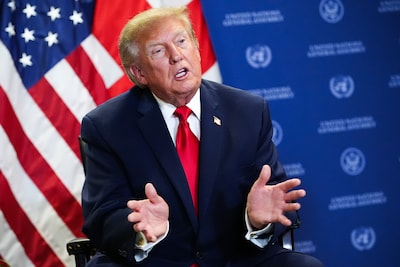
President Donald Trump stated that US officials held very good discussions with an Iranian delegation during the UN summit in New York, despite previously threatening to destroy Iran if it did not reach an agreement. Trump urged other nations to increase economic pressure on Iran and indicated a deal might follow the US midterm elections. Meanwhile, French President Emmanuel Macron criticized the international community for failing to stop violence in Gaza, and Turkish President Recep Tayyip Erdogan condemned Israel’s actions in Gaza and attacks on Black Sea shipping as unacceptable.
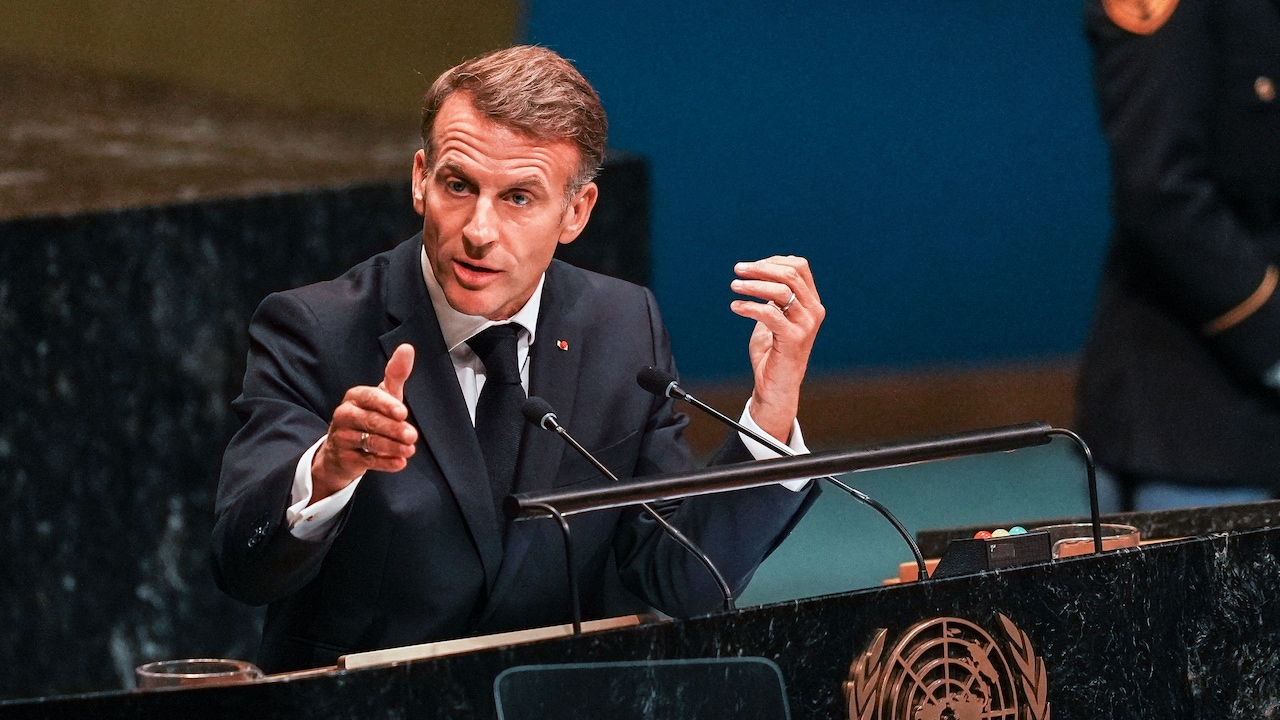
French President Emmanuel Macron addressed the UN General Assembly in New York, questioning the international community's credibility if it remains inactive in Gaza. He criticized Israeli settlers' violence on the West Bank for undermining Palestinian existence and called the lack of humanitarian deliveries 'shameful.' In contrast, US President Donald Trump claimed to have ended the war and thanked the Security Council for his twenty-point plan. UN Secretary-General António Guterres warned that Israeli policies evoke ethnic cleansing fears and described Gaza's destruction as unprecedented. He emphasized the need to preserve the two-state solution and urged adherence to international law, including the genocide treaty, noting several countries have filed complaints against Israel at the International Court of Justice.
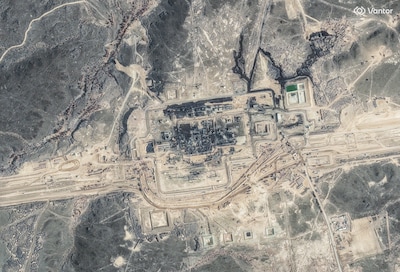
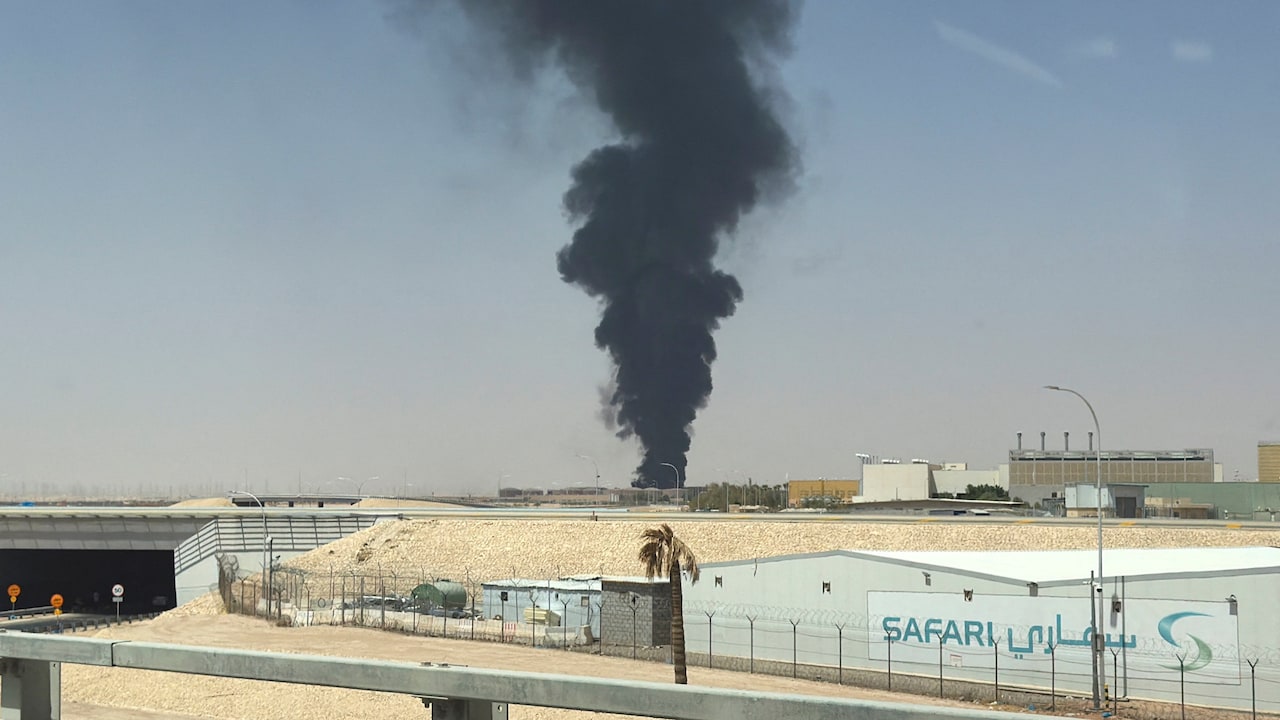
Saudi Arabia has restarted a major oil pipeline running from the east to the western port city of Yanbu, which was closed last week due to drone attacks. Although full restoration of transport through the 1,200-kilometer line will take approximately six weeks, the partial resumption serves as a crucial alternative route amid disruptions in the Strait of Hormuz caused by regional conflict. This development triggered immediate price drops on global oil markets.
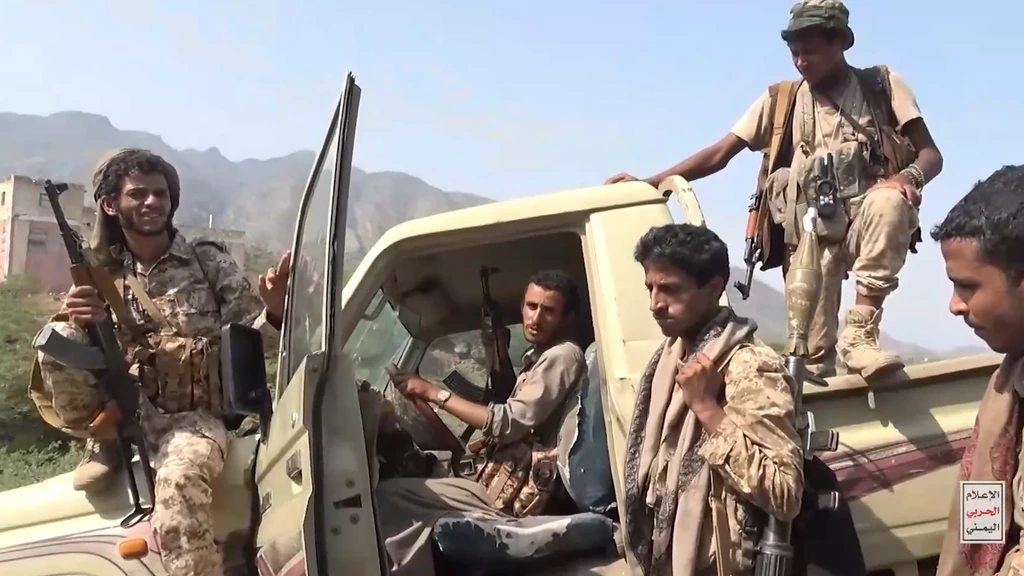
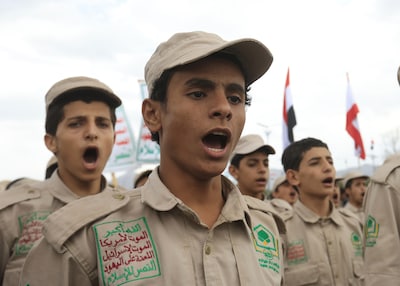
Iran-backed Houthi fighters are expanding their control in southwestern Yemen, aiming to secure the Kahboub mountain range and strengthen their grip on the Bab al-Mandab Strait. Since July, they have captured key locations including Mokka, Dhubab, and Perim island with little resistance. Experts attribute this rapid advance to the Houthis' military growth during a fragile ceasefire, continued Iranian support, and significant weaknesses within the divided Yemeni government forces. Additionally, Saudi Arabia's decision to disband a local militia created a power vacuum that facilitated the Houthi offensive. While the Houthis now hold leverage over international shipping, analysts suggest they prefer the threat of closure over actual implementation to avoid broader international intervention.
An Iranian official stated that Iran could reopen the Strait of Hormuz within seven days if the United States lifts its blockade and removes military pressure, as the Iranian delegation travels to New York for UN General Assembly talks. US Secretary of State Marco Rubio expressed openness to discussions with Iran but noted no meetings are currently scheduled, emphasizing that Iran must not possess nuclear weapons. Meanwhile, the Israeli army reported killing three Hamas members in Gaza, a Houthi attack on a prison in Yemen killed nine prisoners, and Saudi Arabia resumed oil exports from Yanbu following drone attacks.
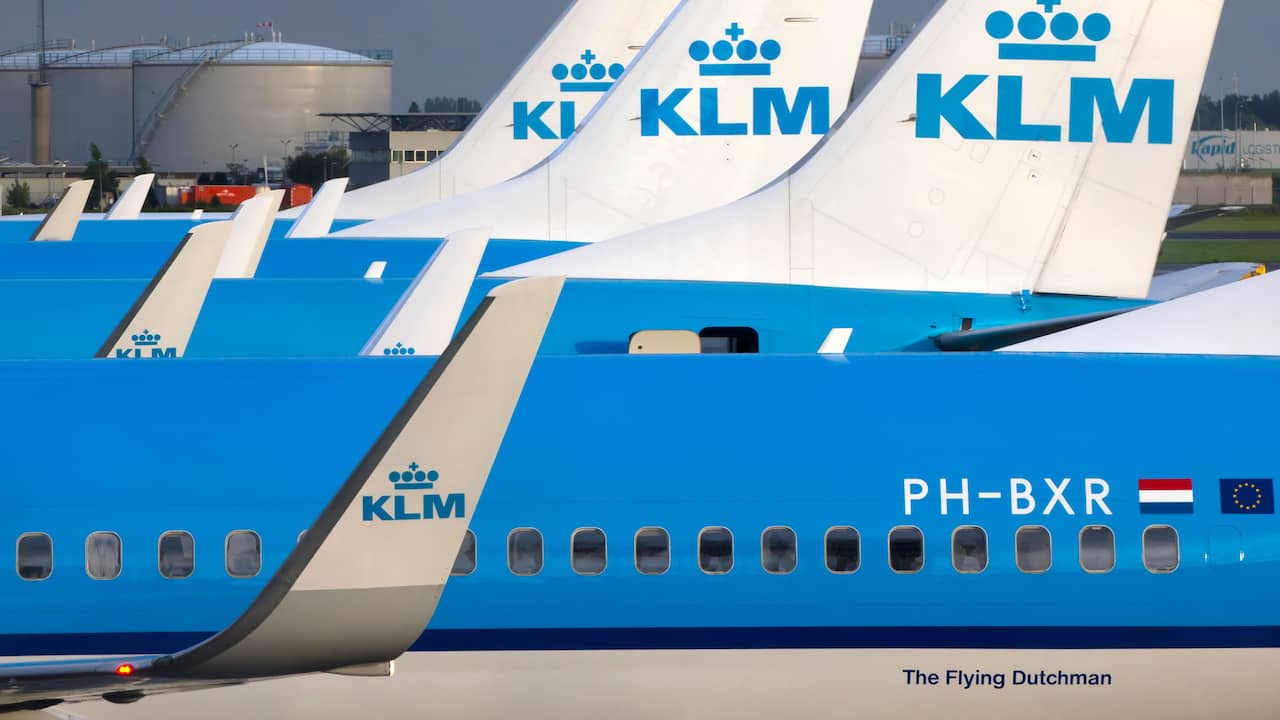
KLM intends to restart flights to Dubai, Riyadh, and Dammam on October 25, following suspensions due to the war in the Middle East. The airline emphasizes that this is a proposal subject to change if regional security conditions deteriorate. While KLM has already resumed Tel Aviv flights with detours via Cyprus, other carriers like British Airways and Finnair are adopting more cautious approaches, delaying or extending their suspension periods until November or March 2027 respectively.
The foreign ministers of the G7 nations have called on Iran to cease supplying weapons to Houthi rebels in Yemen and urged the rebels to stop attacking targets in Saudi Arabia. The group condemned the ongoing attacks as a dangerous pattern of escalation that could lead to global instability. In response to requests from Saudi Arabia, the UK is deploying a temporary aerial refueling tanker to help stabilize the region. Meanwhile, reports indicate that US President Donald Trump refused a request for assistance against the Houthis over the weekend, though his administration has proposed a $5 billion fund to rebuild Middle Eastern energy infrastructure damaged during the conflict with Iran.
The British Royal Air Force is deploying a Voyager tanker aircraft to the Middle East at Saudi Arabia's request, with Prime Minister Andy Burnham stating the move aims to stabilize the region. This deployment follows ongoing Houthi attacks on Saudi territory, while the US reportedly refused a similar request for aid against the Houthis. Concurrently, Israel claims to have killed three Hamas members in Gaza, Iran warns the US against new attacks, and explosions in Syria injure four people. Additionally, Pakistani government forces report killing 28 militants in border strikes, and a proposal suggests $5 billion for rebuilding Middle Eastern energy infrastructure damaged by conflict.
Global diesel markets are expected to remain tight until 2027 due to supply disruptions from the wars in the Middle East and Ukraine. US diesel stocks hit their lowest level for September on record as of September 11, while European inventories around Amsterdam, Rotterdam, and Antwerp were 16 percent below the five-year average in July. Russian refinery output also declined following drone attacks. Consequently, diesel prices reached record highs in the Netherlands at approximately 2.824 euros per liter, with similar increases observed in Germany and Switzerland. Despite these shortages, the European Commission stated there is no immediate supply crisis, noting that current demand is being met by European refineries and imports from other regions, though it warned that market pressure may intensify in the coming months.
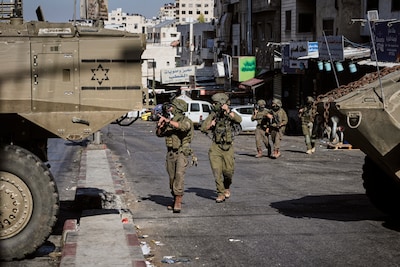
The Israeli military reported killing three Hamas members in Gaza, including two allegedly involved in the October 7, 2023 attacks and one commander, stating they were preparing new assaults. Palestinian sources claim seven deaths, including a minor, resulted from recent Israeli strikes, though these accounts could not be independently verified. Meanwhile, Saudi Arabia requested US military support against Houthi forces in Yemen; President Trump hesitated but decided against joint air strikes on Sunday due to concerns about escalating conflict with Iran and skepticism within his administration regarding the effectiveness of limited bombardments.
Peace negotiations between Iran and the United States are faltering, leading to increased unrest in the Middle East. This live blog tracks the latest developments in the region as President Trump decides against attacking the Houthi forces for the time being.
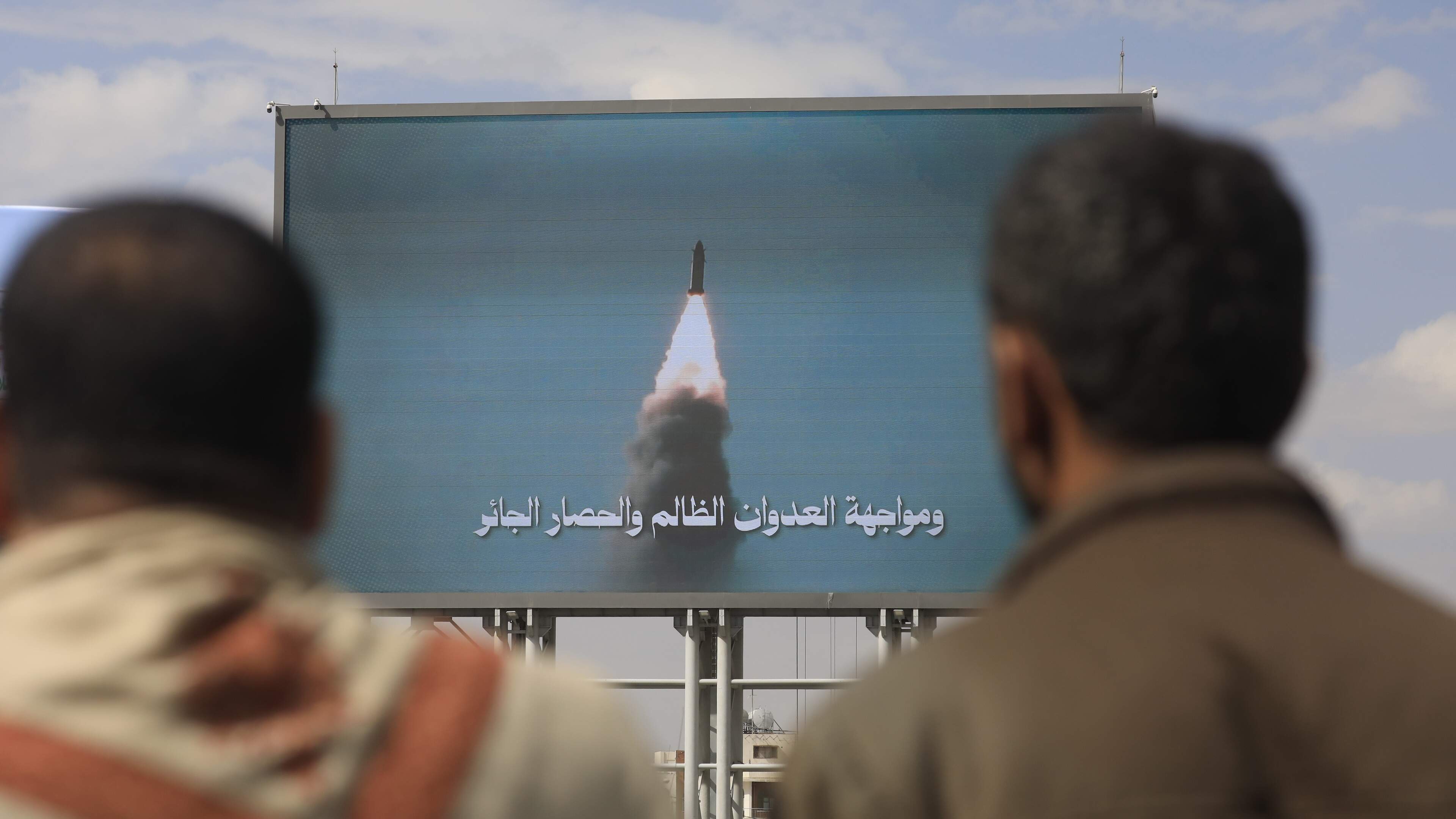
Houthi rebels in Yemen launched drone and rocket attacks on Riyadh, escalating tensions after seizing the port city of Mocha and an island in the Bab el Mandeb Strait. The Houthis, backed by Iran, control significant parts of northern and western Yemen and oppose the Saudi-backed government. Their recent gains threaten Red Sea shipping routes, impacting oil exports for Saudi Arabia, which already faces blockades in the Strait of Hormuz due to conflict with Iran. Although a 2022 ceasefire was signed, hostilities have resumed, prompting Saudi Arabia to seek support from Turkey and Pakistan through a mutual defense pact. The US has not intervened directly, citing existing agreements with the Houthis regarding international shipping. This escalation risks further regional instability and economic disruption, particularly affecting European refineries dependent on Red Sea oil supplies.
Pro-Iranian Houthi fighters launched a barrage of ballistic missiles and drones targeting the Saudi capital, Riyadh, as well as the western oil port of Yanbu. These attacks appear to deal a significant blow to Saudi Arabia's oil export capabilities.
The Iran-backed Houthi group launched a barrage of ballistic missiles and drones targeting the Saudi capital, Riyadh, as well as the western oil port of Yanbu. These attacks represent a significant escalation and pose a serious threat to Saudi Arabia's oil export infrastructure.