The Economist warns that climate change will transform traditional summers into longer, hotter periods, disrupting travel and traditions. Meanwhile, historian Michael Ignatieff argues that relying on AI for writing threatens mental independence and democracy by encouraging cognitive surrender. Additionally, Jason Okundaye notes that artists like Ed Sheeran face increasing pressure to separate art from politics, though streaming algorithms now allow greater autonomy for political expression.
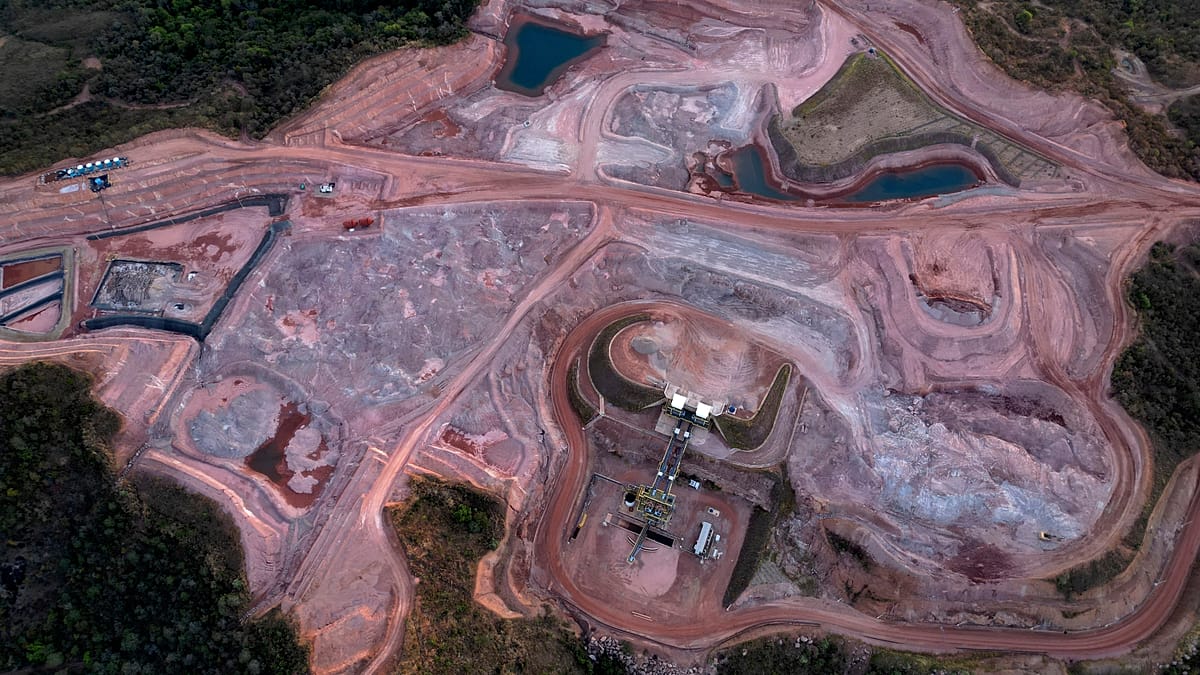
Farmers in the Mexican state of Querétaro are struggling with severe drought and crop failures, while the region simultaneously attracts massive investment from American tech giants like Amazon, Microsoft, Google, and Oracle. Over 70 percent of Mexico’s operational datacenters are located in Querétaro, earning it the nickname “Mexico’s Silicon Valley.” Adriana Rivera, chair of the Mexican Datacenter Association (MEXDC), defends the industry by claiming water usage is minimal due to closed-loop cooling systems, dismissing local concerns as unfounded. Despite this, farmers report that prolonged dryness has destroyed their harvests, forcing them to sell livestock. The government and industry leaders highlight the economic benefits, noting that datacenter-related exports to the US reached nearly $83 billion in the first half of the year, contributing to a record total export value of $390 billion for Mexico.
Harold van Waveren, chairman of the national drought crisis team, stated that a wet autumn and winter are essential to prepare for the next dry season, noting that groundwater recovery will take months. Top civil servant Liz van Duin admitted that the Ministry of Infrastructure and Water Management did not fully anticipate such low river levels occurring on this timeline, although they were projected for later. River flows are currently decreasing further, with normal levels expected only after weeks or months. Consequently, one-way traffic may be implemented on the IJssel river, forcing some inland shipping vessels to detour hundreds of kilometers.
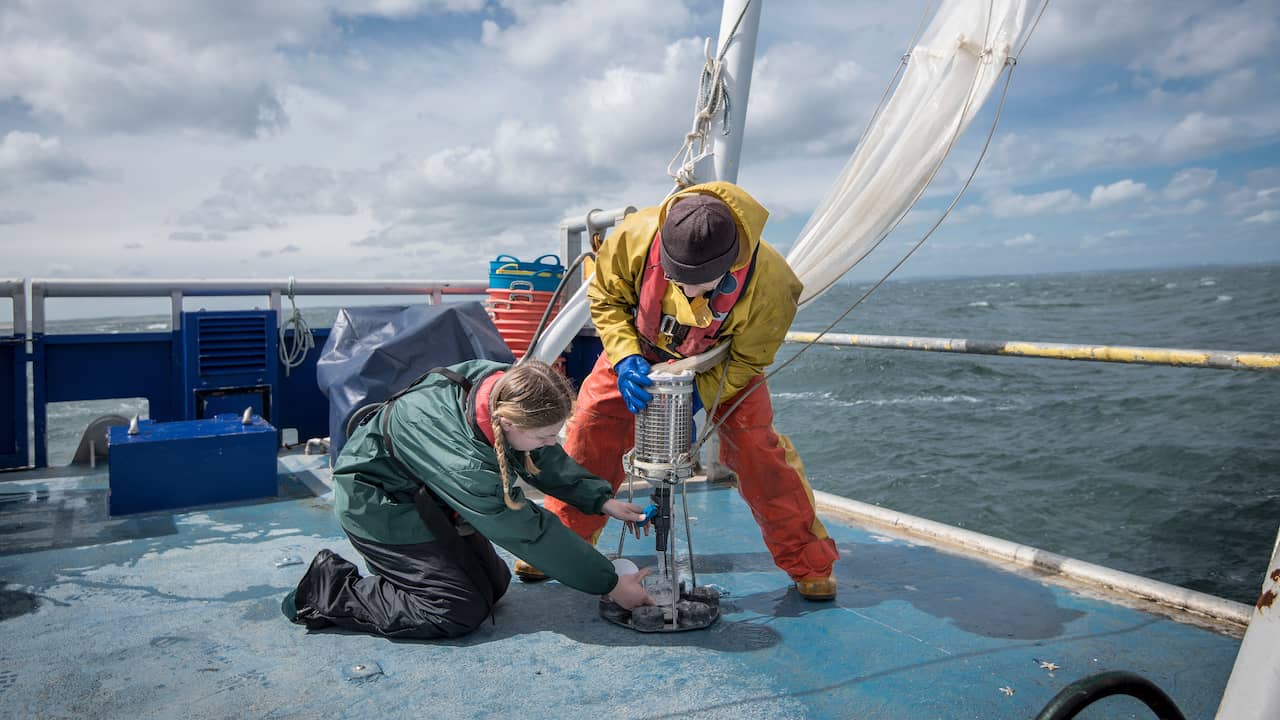
The European Union and Canada announced a partnership at the UN General Assembly in New York to secure global ocean monitoring systems following significant science budget cuts by the United States under President Donald Trump. The EU is contributing 100 million euros, Canada 82 million dollars, and Dutch Prime Minister Rob Jetten pledged 27 million euros for new measurement systems. Thirty other countries have joined the initiative to support buoy networks and research vessels. EU Chief Ursula von der Leyen and Canadian Prime Minister Mark Carney warned that the network relies too heavily on a small group of funders, making it vulnerable to financial and geopolitical disruptions. Dutch researchers expressed relief but noted urgent funding gaps, particularly for Atlantic Meridional Overturning Circulation (AMOC) monitoring after 2028.
In this episode of Qatar in Motion, we explore how Qatar is building the city of the future, where artificial intelligence, autonomous mobility, smart infrastructure, and sustainability converge to transform everyday life.
The Festival Voor de Vloed in Dordrecht features a 'silent emergency disco' where participants use headphones to navigate simulated disaster scenarios, combining education with entertainment. Organizer Wouter Sieuwerts aims to raise awareness about flood risks in this island city, which has historically faced severe water threats like the 1953 Watersnoodramp. The event highlights local preparedness measures, such as flood barriers installed along the Voorstraat, and encourages community bonding. By making the history of water management visible, the festival seeks to remind residents that much of the area lies below sea level and requires ongoing vigilance against potential high-water events.
Diesel accounts for most of the extra road fuel cost. T&E estimates that an EU diesel driver paid €142 more over the period it studied, while a German long-haul truck faced an extra €236 a week.
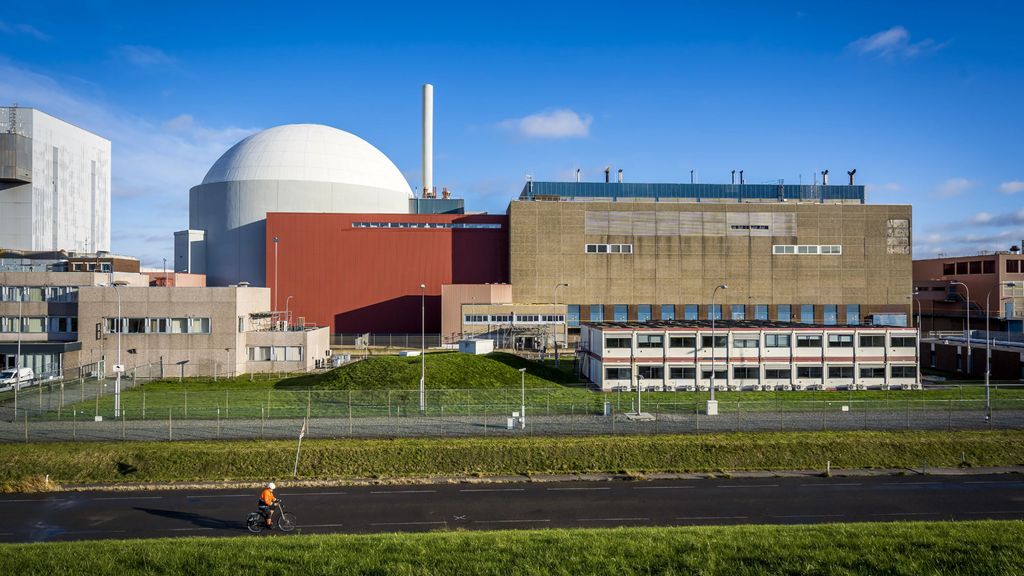
The Dutch State has acquired 70 percent of the shares in the Borssele nuclear power plant for 115 million euros from the province of Zeeland and local municipalities. Staatssecretaris De Bat stated that retaining the facility, originally scheduled to close in 2033, ensures a stable energy supply and preserves nuclear expertise. While the First Chamber approved the necessary legal changes, final decisions rest with shareholders including RWE. The government also allocated 119 million euros for operational stability, aligning with coalition plans to build at least four new nuclear facilities.
A recent PISA study suggested Dutch 15-year-olds show low interest in environmental issues, but researcher Martina Meelissen from the University of Twente clarifies that students actually possess good knowledge and rank in the top tier globally. The data indicates a significant mismatch where Dutch youth score lowest in the EU regarding involvement and belief in their ability to effect change, despite high concern levels found in other research. Media reports misinterpreted these scores as disinterest, whereas the findings highlight a gap between knowing about environmental problems and taking action rather than a lack of care or awareness.
A small fraction of all flights are responsible for creating contrails, which have a negative impact on the climate. Airlines can prevent these contrails by better accounting for weather conditions when planning flight paths.
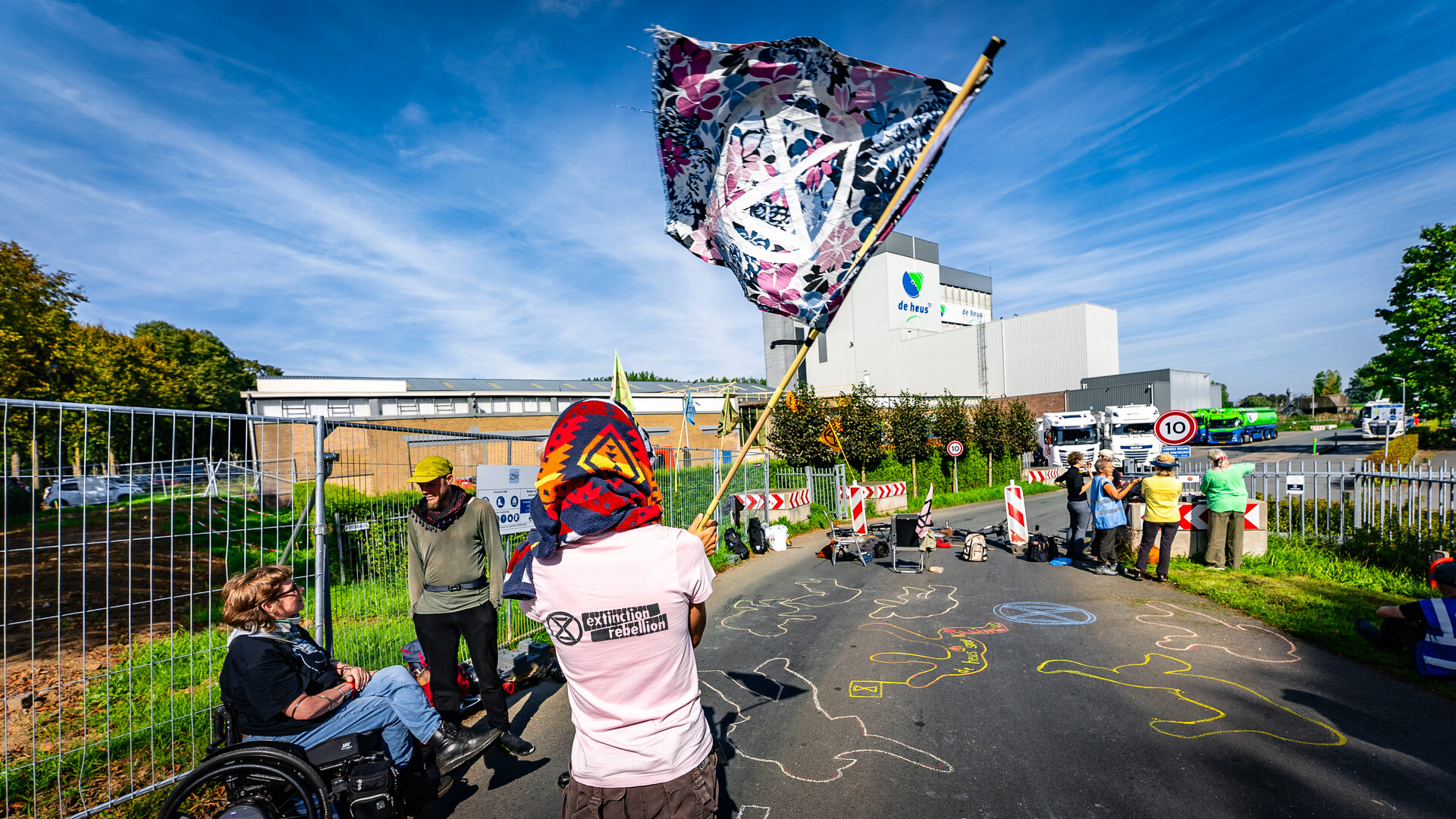
Activists from Extinction Rebellion (XR) blocked the entrances and exits of animal feed company De Heus in Ravenstein on Wednesday, marking their sixth demonstration at the site. The group aims to prevent trucks from entering the facility, citing negative impacts on climate and animal welfare. De Heus stated it disagrees with XR’s stance, describing the situation as a difference of opinion. XR announced plans to return if insufficient action is taken, though the duration of the blockade and police presence were not specified in the provided information.
Although astronomical autumn officially began today, there is no sign of seasonal change as summer conditions persist. Temperatures are expected to remain high, reaching up to 30 degrees Celsius despite the start of the new season.
Acapulco is preparing for a severe storm season due to a predicted Super El Niño, which raises sea temperatures and allows storms to rapidly intensify into major hurricanes. Three years after Hurricane Otis devastated the city in October 2023, causing widespread destruction and hundreds of deaths, many buildings remain unrepaired. Local officials report record-high water temperatures of 31 degrees Celsius, warning that normal storms can develop into category-five hurricanes within hours. The National Oceanic and Atmospheric Administration attributes this increased risk to climate change combined with El Niño conditions, raising fears of extreme weather impacts on the still-recovering coastal town.
A new study by the University of Chicago and Climate Impact Lab estimates that more than 450,000 people could die in the coming months due to heat-related causes exacerbated by the current El Niño phenomenon. The research highlights Nigeria, Indonesia, Sudan, India, and Brazil as the hardest-hit countries, noting that these impacts are separate from fatalities caused by floods and wildfires. Researchers describe the rising temperatures as a preview of future conditions, urging immediate investment in adaptation measures such as early warning systems and cooling centers to save lives globally.
While many green hydrogen projects across Europe have been cancelled or delayed, Spanish energy company Moeve has begun construction on a €3 billion factory. The project is led by Dutch executive Maarten Wetselaar, distinguishing it from the broader trend of stalled initiatives in the region.
Hurricane Polo has rapidly intensified into a major storm off Mexico's west coast, bringing wind gusts up to 265 km/h and heavy rain that may cause flooding and landslides. Although the storm is expected to pass about 200 km from shore without making landfall, schools are closed and ports are shutting down as precautionary measures. US researcher Philip Klotzbach attributes the rapid intensification to El Niño, a weather phenomenon causing Pacific waters to warm and disrupt ocean currents. The UN’s WMO warns this could be the strongest El Niño in forty years, echoing the devastation of Hurricane Otis in Acapulco last year.
Over three million Dutch households with solar panels will face higher energy bills next year due to the end of net metering. Households in Limburg and Overijssel are most affected, with average annual costs rising by approximately 350 euros according to price comparator Independer.
Euronews Next looked at startups in Europe that are trying to make better use of existing grid capacity, reduce the electricity used for cooling and put waste heat to work.

/s3/static.nrc.nl/wp-content/uploads/2026/09/22170603/230926ECO_2036683056_data3.jpg)




/s3/static.nrc.nl/wp-content/uploads/2026/09/21135900/230926WET_2036837830_1.jpg)



/s3/static.nrc.nl/hpe/72fdfc1-HP2.jpg)